Commercial Dishwasher Buying Guide (Australia 2026)
Sparkling Clean Dishes, Stress-Free Kitchen
Running a café, restaurant or bar? You’ll know dishwashing can be one of the biggest bottlenecks in service. A commercial dishwasher takes the hassle out—saving time, meeting hygiene standards, and keeping your team focused on what matters: serving your customers. This quick guide will help you pick the right dishwasher for your business in Australia.
Table of Contents
Types of Commercial Dishwashers
When it comes to picking the right commercial dishwasher, it’s all about matching the machine to your kitchen’s size, style and speed of service. Here’s a breakdown of the most common types you’ll see in Aussie cafés, restaurants and bars.
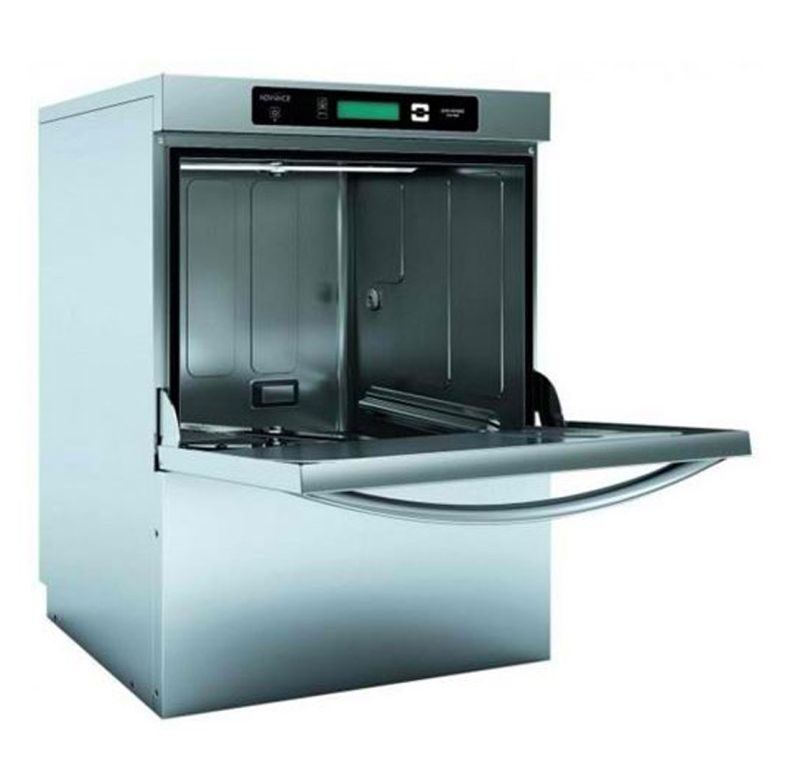
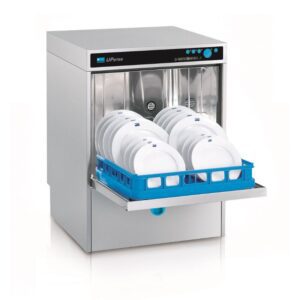
Undercounter Dishwashers
Compact, space-saving and efficient. These units slide neatly under your bench, making them a favourite for cafés, coffee shops and smaller kitchens. They run quick cycles—usually a few minutes—so your staff always have clean cups, plates and cutlery ready for the next customer.
👉 Check out our full range of Undercounter Dishwashers
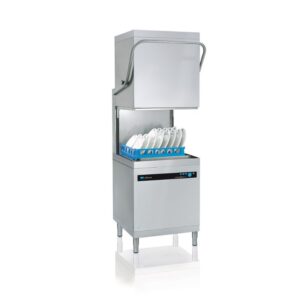
Pass-Through Dishwashers (Hood Type)
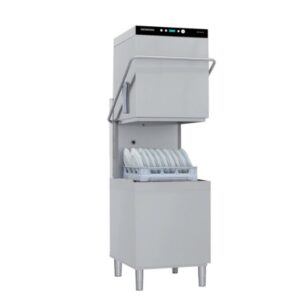
If your kitchen handles steady plate turnover and you’ve got a bit more space, a pass-through dishwasher is ideal. Staff load racks from one side and unload from the other, keeping workflow moving smoothly during busy service. These dishwashers are built for restaurants, pubs and bistros that need speed and efficiency.
👉 Browse our Pass Through Dishwashers
Conveyor & Rack Dishwashers
The heavy hitters. Perfect for large kitchens, hotels, canteens and function centres, conveyor dishwashers can wash hundreds of racks per hour. They’re designed for constant use and high volume, making sure you never run short of clean dishes no matter how many diners walk through the door.
Pot & Utensil Washers
Standard dishwashers can struggle with bulky pots, pans and trays. That’s where dedicated pot washers come in. With deeper wash chambers, stronger jets and longer cycles, they’re built to power through the toughest grease and grime in commercial kitchens, bakeries and catering facilities.
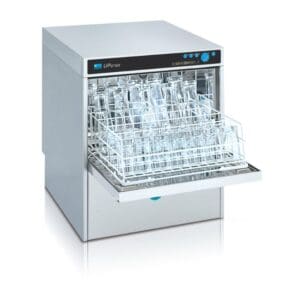
Glass Washers
Bars, pubs and clubs know the pain of running out of clean glassware mid-service. A dedicated glass washer solves that problem. Compact in size, these units quickly and gently clean glasses without scratching or clouding them—keeping your drinks looking as good as they taste. They also fit neatly under the bar, saving precious space.
Key Features to Look For in a Commercial Dishwasher
1. Capacity & Speed
Think about your busiest service period. A small café might get by with an undercounter model that handles 20–30 racks per hour, while a mid-sized restaurant could need a pass-through machine pushing 40–60 racks per hour. For high-volume venues like function centres or hotels, conveyor models can smash through hundreds of racks per hour without missing a beat. The right capacity means no more frustrating pile-ups of dirty dishes mid-service.
2. Sanitisation & Compliance
Food safety is non-negotiable in Australia. Commercial dishwashers must meet FSANZ standards, which means hitting a final rinse of at least 82 °C to properly sanitise dishes. Some machines achieve this with built-in booster heaters, while others use chemical sanitisers at lower temps. Both options are acceptable, but high-temp models tend to dry faster, reducing rewash times and keeping you compliant. Always double-check that the dishwasher is certified for use in Australian commercial kitchens.
3. Energy & Water Efficiency
Running costs add up quickly in a busy venue. Energy-efficient dishwashers use less power and water per cycle, saving you money in the long run. For example:
Energy-saving standby modes cut power use during idle periods.
Low water consumption (as little as 2–3 litres per cycle in newer models) keeps bills manageable.
Heat recovery systems reuse steam heat to pre-warm water, cutting down electricity use.
Yes, efficient models often cost more upfront, but over a few years they usually pay for themselves in reduced utility bills.
4. Size & Installation
Measure carefully—space is often tight in commercial kitchens. Undercounter dishwashers fit neatly under benches, but pass-through models need clearance for racks to slide in and out. Conveyor machines require a longer layout with inlet and outlet tables.
Also consider utilities:
Power – Many dishwashers need hard-wiring by an electrician.
Water – Check your water pressure (ideal range is 200–350 kPa). Low pressure may need a pressure pump, while high pressure could require a reducer.
Drainage – Some models need gravity drainage, others have built-in drain pumps.
Installing the right way the first time avoids costly retrofits or compliance headaches.
5. Easy Maintenance & Reliability
Downtime during service is the last thing any venue needs. Look for features that make day-to-day maintenance simple:
Removable filters and wash arms for quick cleaning.
Self-cleaning cycles that flush out debris and grease.
Accessible spare parts in Australia so you’re not waiting weeks for replacements.
Service-friendly design with easy access panels for technicians.
Regular maintenance, combined with the right features, keeps your dishwasher running smoothly and extends its lifespan.
Compliance Matters
In Australia, food safety isn’t optional — it’s the law. Every commercial kitchen, from a small café to a large hotel, must comply with FSANZ (Food Standards Australia New Zealand) regulations. Your dishwasher plays a crucial role in meeting these hygiene requirements.
Sanitising Temperatures
To properly kill bacteria and viruses, commercial dishwashers must reach a final rinse temperature of at least 82 °C. This high-heat sanitisation ensures plates, cutlery, glasses and utensils are safe to use straight out of the machine. Some machines achieve this with built-in booster heaters, while others rely on chemical sanitisers when a venue’s hot water supply can’t reach the required temperature. Both approaches can be compliant, as long as they meet FSANZ standards.
Certification & Standards
Always confirm that the dishwasher you’re buying is certified for commercial use in Australia. Look for compliance labels and documentation showing the unit meets FSANZ requirements. Imported or domestic-style dishwashers may not have the right temperature range or sanitisation features — which could leave your venue at risk during inspections.
Hygiene & Food Safety Audits
Local councils and food safety auditors often check dishwashing processes. If your dishwasher isn’t compliant, you could face fines, reputational damage, or even temporary closure. Investing in a proper FSANZ-approved commercial dishwasher protects your business and reassures your customers that hygiene is taken seriously.
Warranty & Support
Compliance isn’t just about temperature — it’s also about reliability. Choose brands that back their machines with Australian warranties and have local service networks. This ensures any breakdowns are fixed quickly, keeping your kitchen compliant and running smoothly.
Popular Commercial Dishwasher Brands in Australia
When Aussie kitchens are after a commercial dishwasher, they want brands that not only clean well but last long, stay compliant, and come with serious local back-up. Here are the heavy-hitters your customers trust:
Hobart
A household name among Australian hospitality pros, Hobart units are built tough with stainless steel tanks, booster heaters, and reliable electronic controls. They’re known for industry-leading wash performance and solid support options right across the country.
Meiko
Known for innovation and consistent performance, Meiko dishwashers are a trusted go-to for cafés and restaurants needing reliability and flexibility across different service types.
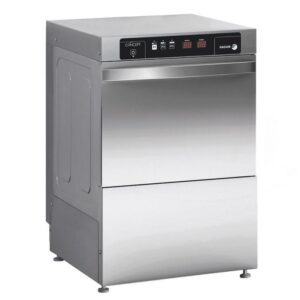
Fagor
If you want a brand that offers flexibility and performance across the board—underbench to high-volume conveyors—Fagor ticks the boxes. With models to suit small bars right up to full-scale caterers, they’re a versatile pick.
Eswood
Made for local conditions, Eswood units are dependable and practical. Great for kitchens that need no-nonsense performance and easy serviceability.
Final Tips Before You Buy
A commercial dishwasher is a serious investment, and getting it right from the start saves headaches (and dollars) down the track. Here are a few last things to keep in mind before you hit “order”:
1. Match to Your Busiest Service Times
Don’t just buy based on average use—plan for your peak hours. If you run a café, think about the morning coffee rush. For pubs and restaurants, consider dinner service when dirty plates and glasses pile up fast. A dishwasher that can’t keep up in those moments creates bottlenecks, frustrated staff, and unhappy customers. Always choose a model that comfortably handles your maximum demand, not just your daily average.
2. Compare Energy and Water Use for Long-Term Savings
The upfront cost of a dishwasher is just one part of the equation. Running costs—electricity, water and detergents—quickly add up. Look for models with low water consumption per cycle and energy-efficient heating systems. Many units now include:
- Heat recovery systems that recycle steam to pre-heat water.
- Economy wash modes for quieter times.
- Standby power-saving features when the unit is idle.
- These savings may look small per cycle but add up to thousands over a few years.
3. Prioritise Local Service and Spare Parts
Even the best dishwasher will need servicing at some stage. When that happens, you want help fast. Choose a brand with a strong service network in Australia and ready access to spare parts. This reduces downtime and ensures you’re not left waiting weeks for an overseas shipment. Brands like Hobart, Washtech and Fagor all have reliable Aussie support.
4. Factor in Installation, Chemicals and Ongoing Maintenance
Don’t overlook the extras that come with a commercial dishwasher:
- Installation costs – Many machines need professional plumbing and electrical connections.
- Chemicals – You’ll need commercial-grade detergents and rinse aids, which are an ongoing expense.
- Maintenance – Simple tasks like cleaning filters daily and scheduling regular servicing extend the machine’s lifespan and keep it compliant.
- When comparing models, consider the true cost of ownership: purchase price + installation + chemicals + running costs + maintenance. Sometimes the slightly more expensive model is actually cheaper to own long-term.
To Sum Up
Choosing the right commercial dishwasher comes down to your kitchen size, washing volume and budget. Whether it’s an undercounter unit for a café, a pass-through for a busy restaurant, or a conveyor for high-volume operations, make sure it’s FSANZ compliant, energy-efficient and backed by local service. The right machine will save you time, cut running costs and keep your kitchen running smoothly.
Explore our full range of Commercial Dishwashers or call our team for expert advice & quote
FAQs
What Is the Difference Between a Commercial Dishwasher and a Home Dishwasher?
Speed
Commercial dishwasher: 1–3 minute cycles
Home dishwasher: 1–3 hours
In hospitality, you can’t wait two hours for plates during dinner rush.
Temperature
Commercial machines wash at higher temperatures (often 60–70°C wash, 80–85°C rinse) to meet food safety standards.
Durability
Commercial units are built for hundreds of cycles per day. Residential machines are not.
Compliance
Commercial kitchens in Australia must meet health regulations. Residential dishwashers don’t meet those requirements.
Why Don’t We Use Commercial Dishwashers at Home?
Because they’re:
Loud
Fast but intense
Require stronger electrical supply
Need proper drainage
More expensive
They’re built for speed and turnover — not quiet suburban kitchens
Can I Install a Commercial Dishwasher at Home?
Technically yes. Practically? Usually no.
You may need:
3-phase power
Commercial-grade plumbing
Adequate drainage
Space for ventilation
For most households, it’s overkill.
Can a Residential Dishwasher Be Used in a Commercial Kitchen?
Short answer: No.
Health inspectors expect:
High-temperature sanitising
Fast turnaround
Heavy-duty construction
Residential units fail quickly under commercial load and may breach food safety compliance.
Do Commercial Dishwashers Need Special Plumbing?
Yes — and this is important.
They typically require:
Dedicated hot water supply (or internal booster heater)
Correct water pressure
Floor waste or proper drainage
Sometimes a drain pump
Poor plumbing setup is one of the biggest causes of early machine failure.
Are You Supposed to Throw a Dishwasher Pod in the Bottom?
For residential machines, pods go in the detergent compartment — not loose in the bottom.
For commercial dishwashers, pods are not used. They rely on:
Liquid detergent
Rinse aid
Auto-dosing systems
Commercial chemistry is very different.
What Is the Average Cost of a Commercial Dishwasher in Australia?
Here’s a rough guide:
| Type | Price Range (AUD) |
|---|---|
| Undercounter | $2,500 – $5,500 |
| Pass-through | $4,500 – $9,000 |
| Conveyor | $15,000 – $40,000+ |
Installation may add $800 – $2,500 depending on plumbing and electrical needs.
What Is the Lifespan of a Commercial Dishwasher?
With proper maintenance:
7–12 years is common
High-end brands can last longer
Poor water quality reduces lifespan significantly
Regular descaling and servicing are critical in Australia due to mineral content in water.
Which Dishwasher Brands Should You Stay Away From?
Rather than naming brands to avoid, here’s what to avoid:
Units with no local parts support
No Australian warranty
Poor after-sales service
Plastic wash arms in heavy-use environments
In commercial settings, service support matters more than brand hype.
Which Dishwasher Has the Fewest Problems?
Machines with:
Stainless steel wash arms
Simple mechanical controls
Reliable local service network
Auto-dosing detergent system
Reliability comes from build quality and correct installation — not just brand name.
How Much Does It Cost to Install a Commercial Dishwasher?
Installation costs vary:
Basic swap-over: $800–$1,200
New plumbing and electrical: $1,500–$2,500+
If upgrading from residential to commercial, expect additional electrical work.