Commercial Freezer Buying Guide for Australian Businesses
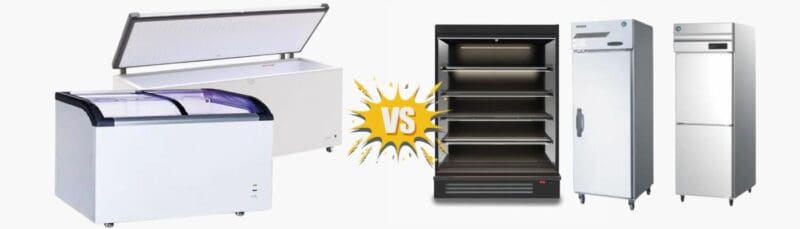
Choosing the right commercial freezer for sale in Australia can make a huge difference to how efficiently your kitchen or store runs. With so many options available, from upright freezers to chest, underbench, display, and even walk-in units, it’s important to understand which style best suits your business needs. This buying guide breaks down the key freezer types, their pros and cons, and where they fit best in hospitality and retail operations across Australia.
Upright Freezers
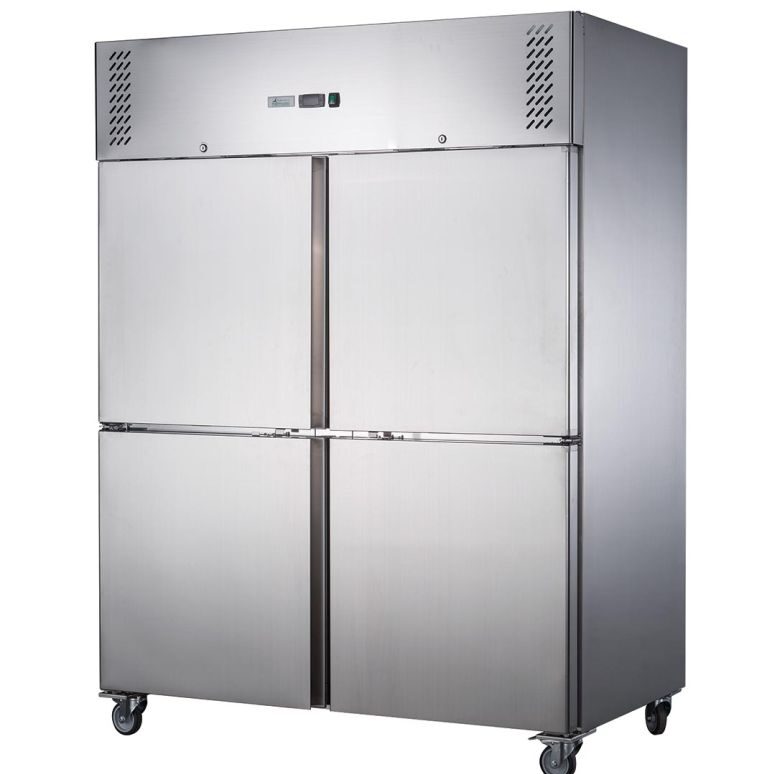
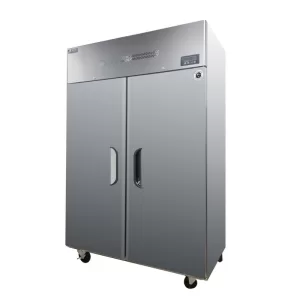
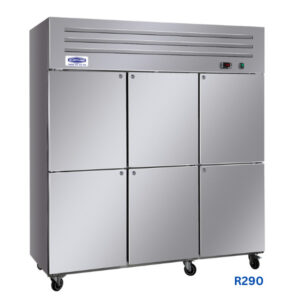
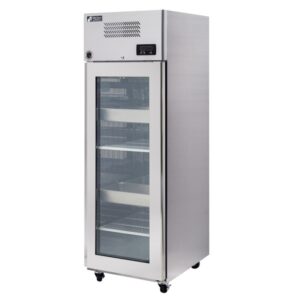
Commercial Upright Freezers are a smart choice for restaurants, cafés, takeaways, and any busy food business that needs reliable frozen storage without taking up too much floor space. Their tall, vertical design makes them easy to slot into tight kitchens while still giving you plenty of room to keep ingredients organised and accessible.
Key Benefits
Space-saving vertical design – perfect for kitchens where every square metre counts
Easy shelf organisation – many models are GN tray compatible for streamlined storage
Quick access – multiple shelves let staff grab what they need fast during service
Things to Consider
Smaller storage capacity compared to large chest freezers
Door clearance required – make sure you’ve got enough space for the doors to swing open
Best For
Upright freezers are ideal for busy commercial kitchens with limited space but high turnover of frozen goods. Whether you’re running a café, restaurant, or takeaway, they’ll help you stay organised and keep service moving smoothly.

Commercial Chest Freezers
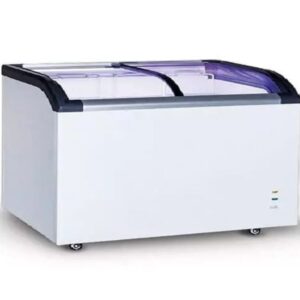
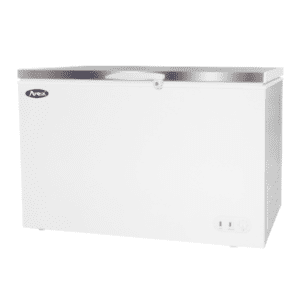
Commercial Chest Freezers are the real workhorses when it comes to frozen storage. With their deep, wide design, they’re perfect for businesses that need to keep bulk stock frozen for longer periods. Butchers, supermarkets, restaurants, and catering businesses across Australia rely on chest freezers to store everything from meat and seafood to pre-prepared meals.
Key Benefits
Huge storage capacity – ideal for bulk stock and large items
Energy efficient – generally cheaper to run compared to upright freezers
Perfect for long-term storage – reliable freezing for months at a time
Things to Consider
Harder to reach items – products at the bottom can be tricky to access
Takes up more floor space – not always suitable for smaller kitchens
Best For
Chest freezers are best suited for businesses buying or storing stock in bulk, such as butchers, supermarkets, catering companies, and restaurants that want to cut costs by ordering in larger quantities.

Commercial Underbench Freezers
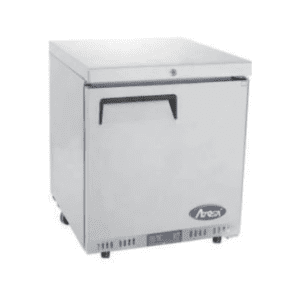
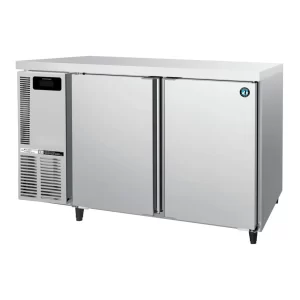
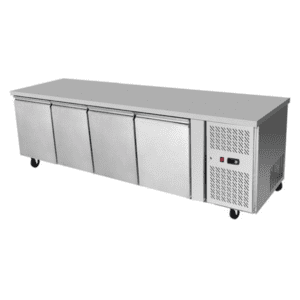
Commercial Underbench Freezers are the perfect space-saving solution for busy kitchens where every centimetre counts. Designed to fit neatly beneath prep benches or counters, they keep frozen ingredients within arm’s reach without cluttering up valuable floor space.
Key Benefits
Smart space saver – integrates seamlessly into your bench or counter layout
Convenient access – ingredients stay close at hand during prep and service
Compact and discreet – ideal for open kitchens or front-of-house setups
Things to Consider
Limited storage capacity compared to larger upright or chest freezers
Best For
Underbench freezers are best suited for cafés, food trucks, takeaways, and small commercial kitchens where space is at a premium but efficiency is a must.

Display Freezers
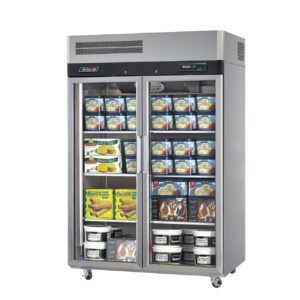
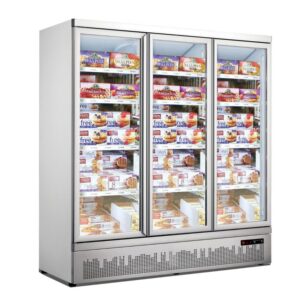
Commercial Display Freezers combine reliable frozen storage with the power of merchandising. With glass doors and bright LED lighting, they let customers easily see what’s inside, helping to boost sales while keeping products at the right temperature. They’re a go-to for businesses that need both functionality and presentation.
Key Benefits
Glass doors for visibility – customers can quickly spot products without opening doors
LED lighting – highlights stock and makes displays look more appealing
Drives impulse buys – great for encouraging last-minute add-on sales
Things to Consider
Slightly higher running costs – lighting and display features use more energy than solid-door freezers
Best For
Display freezers are best for convenience stores, bottle shops, petrol stations, takeaways, and supermarkets that want to showcase frozen goods while keeping them fresh and accessible.
What Temperature Should a Commercial Freezer Be?
For most frozen food storage, a commercial freezer should be set to maintain approximately −18°C or colder. Many hospitality freezers operate between around −18°C and −22°C, giving the cabinet extra recovery capacity when doors are opened frequently during service. Australian food-safety guidance does not simply require every freezer display to show exactly −18°C. The main requirement is that frozen food remains frozen hard. The most suitable setting can vary depending on the type of food being stored, the freezer model, the surrounding room temperature and how often the cabinet is opened. Always check the manufacturer’s recommended operating range before changing the temperature controller.
Commercial Freezer Temperature Guide
| Application | Typical target temperature |
|---|---|
| General frozen food storage | −18°C or colder |
| Frequently accessed hospitality freezer | Around −18°C to −22°C |
| Ice cream and frozen dessert storage | Follow product and freezer manufacturer guidance |
| Frozen food display | Cold enough to keep products frozen hard |
| Blast freezing | Use a purpose-built blast freezer |
These temperatures are general guides only. Different commercial freezers are designed with different operating ranges, so always follow the equipment manual and the storage instructions supplied with the food.
What Temperature Is Too Warm for a Commercial Freezer?
A freezer needs attention when food begins to soften, partially thaw or show signs of repeated thawing and refreezing. Warning signs may include:
- Soft frozen products
- Ice cream losing its firm texture
- Water or moisture inside packaging
- Large ice crystals forming on food
- Packaging becoming stuck together
- Frozen food changing shape
- Products refreezing into a solid block
Australian food-safety guidance focuses on keeping frozen food frozen hard. If products begin softening, staff should inspect the food, check the cabinet temperature and investigate possible causes rather than relying only on the digital controller. A freezer showing a warmer-than-normal temperature for a few minutes after the door has been opened does not necessarily mean the food has reached that temperature. Air temperature can change quickly, while the temperature of solidly frozen products usually changes more slowly.
Why Does a Commercial Freezer Temperature Keep Changing?
Some movement on the temperature display is normal. The reading may rise when the door is opened, during a defrost cycle or after new stock is loaded. However, frequent or extended temperature fluctuations can indicate an operating or maintenance problem. Common causes include:
- Opening the door frequently during service
- Leaving the door open while loading stock
- Adding large amounts of warm or unfrozen food
- Overloading shelves
- Blocking internal fans or air vents
- Damaged, dirty or loose door seals
- Poor ventilation around the condenser
- High kitchen or storeroom temperatures
- Frost or ice build-up
- Automatic defrost cycles
- Incorrect controller settings
- Dirty condenser filters
- Refrigeration system faults
Avoid packing cartons tightly against internal walls or air outlets. Commercial freezers need sufficient airflow around the products to maintain an even temperature throughout the cabinet.
Display Temperature Versus Product Temperature
The temperature shown on a commercial freezer controller is usually measured by a sensor positioned somewhere inside the cabinet. It does not necessarily represent the temperature of every carton or food item stored inside.
For example, the displayed temperature may rise quickly when the door is opened because warm air enters the cabinet. Products stored in the centre may still remain completely frozen. The opposite can also occur. A controller may show a suitable temperature near the sensor while products in an overloaded or poorly ventilated section of the cabinet are warmer.
When investigating a temperature problem, use an independent freezer thermometer and inspect the condition of the food. Where suitable procedures are available, businesses may also check product temperature rather than relying entirely on the digital display.
How to Check a Commercial Freezer Temperature Accurately
Follow these steps when checking whether a commercial freezer is holding temperature correctly:
- Check the temperature shown on the digital controller.
- Place an independent freezer thermometer inside the cabinet.
- Position it away from the door, internal fan and evaporator outlet.
- Place it beside or between commonly stored frozen products.
- Check the temperature at different times of the day.
- Take additional readings after deliveries and busy service periods.
- Record unusual temperature movement.
- Arrange servicing if the freezer cannot keep food frozen hard.
Placing a thermometer between frozen products can provide a more stable indication than leaving it exposed near the door or directly in the path of cold air. Do not check the temperature only immediately after opening the cabinet. Close the door and allow the freezer time to return to normal operation before assessing whether there is an ongoing problem.
What to Do When a Commercial Freezer Is Too Warm
When a freezer is warmer than expected, act quickly to protect the stock and determine the cause.
- Start by keeping the door closed as much as possible. Check that the freezer has power and confirm that the controller has not been accidentally adjusted or switched into a different operating mode.
- Inspect the door seals and make sure cartons, trays or ice build-up are not preventing the door from closing properly. Check that the internal fans and air vents are not blocked by stock.
- Avoid placing more food into the freezer until the temperature has stabilised. Where necessary, transfer stock into another operating freezer.
- Staff should also assess whether any products have begun to soften or thaw. The correct action will depend on the type of food, its temperature, how long it has been affected and the business’s food-safety procedures.
- Partially thawed food should not automatically be treated the same in every situation. Follow your food-safety program and seek appropriate advice where the safety of the food is uncertain.
- Contact a qualified refrigeration technician if the temperature does not recover or if the freezer continues to fluctuate.
Commercial Freezer Temperature Records
Keeping freezer temperature records can help food businesses identify problems before they result in a large stock loss. Records may also help demonstrate that appropriate food-safety controls are being followed. Requirements can differ depending on the business, its activities and the relevant state, territory or local authority.
A simple freezer temperature record may include: Date, Time, Freezer Display temperature, Independent check, Corrective action, Initials
Record any corrective action taken, such as closing an open door, rearranging stock, cleaning a condenser filter, transferring products or arranging a service call.
The frequency of temperature checks should be based on the business’s food-safety procedures, level of risk and local requirements.
Holding Freezer Versus Blast Freezer
A standard commercial freezer and a blast freezer perform different jobs.
A holding freezer is designed to keep already-frozen products at a stable storage temperature. It removes the relatively small amount of heat that enters when doors are opened or frozen stock is loaded.
A blast freezer is designed to rapidly remove heat from freshly prepared or unfrozen food. It uses powerful airflow and refrigeration capacity to reduce product temperature much faster than a standard storage freezer. Loading large batches of warm food into a normal commercial freezer can:
- Increase the cabinet temperature
- Warm surrounding frozen products
- Extend freezing time
- Reduce food quality
- Increase strain on the refrigeration system
- Make temperature control less reliable
Businesses preparing cooked food for later frozen storage should use appropriate cooling and freezing procedures. Where rapid freezing is required, a purpose-built blast freezer is generally the more suitable option.
Upright Versus Chest Freezer Temperature Recovery
Upright and chest freezers can both provide reliable frozen storage, but they respond differently when opened.
An upright commercial freezer offers better shelf organisation and faster access to individual products. This makes it suitable for busy restaurant, café and takeaway kitchens. However, some cold air escapes each time the door is opened, so frequent access may cause the displayed temperature to rise temporarily.
A commercial chest freezer generally retains cold air more effectively when the lid is opened because cold air naturally remains lower inside the cabinet. Chest freezers can be well suited to bulk storage, although products at the bottom may be harder to organise and retrieve. The best option depends on:
- How frequently staff need to access the freezer
- The amount of stock being stored
- Available floor space
- Whether easy product organisation is a priority
- The type and size of frozen products
- How quickly staff need to retrieve items during service
A busy commercial kitchen may benefit from an upright freezer for daily-access products and a chest freezer or freezer room for bulk or backup stock.
How Much Freezer Capacity Does Your Business Need?
The advertised litre capacity is useful for comparing models, but it does not tell you exactly how much usable storage space you will have.
Shelves, cooling components, door clearances and airflow requirements all reduce the amount of stock that can be stored safely. A freezer that is packed from floor to ceiling may also struggle to circulate cold air evenly.
Before choosing a capacity, consider:
- How many frozen deliveries you receive each week
- The quantity of stock used during your busiest service
- Whether food is stored in cartons, containers or gastronorm pans
- How much emergency or seasonal stock you keep
- Whether you expect the business to grow
- How quickly staff need to find and retrieve products
It is generally better to allow some spare capacity than to buy a freezer that will be completely full from day one. A little extra room can improve organisation, airflow and temperature recovery.
Commercial Freezer Sizes and Kitchen Space
Measure more than the empty floor space before ordering a commercial freezer. You also need to account for ventilation, door movement, access routes and servicing requirements.
Check the following measurements:
- Overall cabinet width, depth and height
- Door width when fully opened
- Clearance around the compressor and ventilation panels
- Height under shelves, benches or overhead structures
- Width of doorways, hallways, lifts and loading areas
- Space needed to remove shelves or service components
- Distance from the nearest suitable power point
The external dimensions listed on a product page do not include the extra room needed to manoeuvre the freezer into position. Large upright models may also arrive on a pallet and can be taller or wider while packaged.
Confirm the packed dimensions as well as the assembled dimensions before delivery.
Why Ambient Temperature Rating Matters in Australia
Commercial kitchens can become very hot, particularly near ovens, fryers, chargrills and cooking lines. A freezer that performs well in an air-conditioned shop may struggle when installed in a kitchen with high ambient temperatures.
The ambient rating indicates the surrounding conditions in which the freezer has been designed and tested to operate.
When comparing commercial freezers for sale, check:
- The maximum rated ambient temperature
- The recommended humidity conditions
- Whether the unit is suitable for a hot commercial kitchen
- The required ventilation clearances
- Whether the condenser is easy to access and clean
Models rated for higher ambient temperatures are often a better option for busy kitchens, bakeries, takeaways and venues where the refrigeration equipment sits close to cooking appliances.
Even a high-ambient freezer still needs proper airflow. Installing it tightly against a wall or blocking the condenser can reduce performance and increase power use.
Commercial Freezer Running Costs
The purchase price is only one part of the cost of owning a commercial freezer. Because the unit operates around the clock, electricity use can make a noticeable difference over its working life.
Running costs depend on several factors, including:
- Freezer size and configuration
- Solid doors or glass doors
- Insulation thickness
- Compressor efficiency
- Ambient kitchen temperature
- Door-opening frequency
- Condition of the door seals
- Condenser cleanliness
- Temperature setting
- Quantity and temperature of incoming stock
To estimate the running cost, find the unit’s energy consumption in kilowatt-hours and multiply it by your electricity tariff.
For example:
Daily energy consumption × electricity rate = estimated daily running cost
You can then multiply the result by 365 for an estimated annual figure.
Only compare energy ratings or consumption figures between freezers of a similar type, size and operating temperature. A small solid-door storage freezer and a large glass-door display freezer perform different jobs, so their figures should not be compared directly.
Refrigeration can represent a major part of a food business’s overall energy consumption, so efficiency is worth considering rather than comparing purchase price alone. Australia also regulates a range of refrigerated display and storage cabinets through the GEMS framework, which is intended to improve equipment energy efficiency. When manufacturers provide energy-consumption figures, use them to compare similar-sized models. A freezer that costs slightly more upfront but uses less energy may make more sense over several years of operation.
Energy-Efficient Features Worth Considering
An energy-efficient commercial freezer can reduce long-term operating costs, but efficiency depends on the complete cabinet design rather than one feature alone.
Useful features may include:
- High-density insulation
- Self-closing doors
- Magnetic door gaskets
- Efficient fan-forced cooling
- Electronically controlled compressors
- LED interior lighting
- Heated glass designed to minimise unnecessary energy use
- Natural refrigerants such as R290
- Digital temperature control
- Automatic defrost programming
- Energy-saving fan controls
Look beyond broad claims such as “eco-friendly” or “energy-saving”. Ask for the model’s published energy consumption, registration details or technical data where available.
R290 Refrigerant in Commercial Freezers
R290 is a refrigerant-grade form of propane now used in many modern commercial freezers. It is commonly selected for its cooling performance and relatively low environmental impact compared with some older synthetic refrigerants.
An R290 freezer should only be serviced by a suitably trained refrigeration technician who understands hydrocarbon refrigerant systems. Because R290 is flammable, the cabinet must not be modified, punctured or repaired by unqualified staff.
For the buyer, the most important point is not to choose a freezer based on refrigerant alone. Cabinet construction, ambient rating, compressor quality, insulation, service support and correct installation remain just as important.
Commercial Freezer vs Domestic Freezer
A domestic freezer may look like a cheaper option, but it is generally designed for lighter household use.
A commercial freezer is built for conditions commonly found in restaurants, cafés, supermarkets, bakeries, takeaways and commercial kitchens, including:
- Frequent door opening
- Higher surrounding temperatures
- Larger daily stock loads
- Longer operating hours
- Faster temperature recovery requirements
- More demanding cleaning routines
- Repeated use by multiple staff members
Commercial models also tend to offer stronger shelving, more durable hinges, easier-to-clean interiors and access to commercial service networks.
Using domestic equipment in a business may also create warranty or insurance concerns, depending on the manufacturer’s terms. Always check whether the appliance is approved and warranted for commercial use.
Solid-Door or Glass-Door Freezer?
Solid-door freezers are commonly used for back-of-house storage. Their insulated doors help retain cold air, conceal stock and generally make them suitable for kitchens, preparation rooms and storerooms.
Glass-door freezers are useful when customers or staff need to see the contents without opening the cabinet. They are popular in supermarkets, convenience stores, cafés, bottle shops and retail food businesses.
Choose a solid-door freezer when:
- Energy retention is a priority
- The freezer will be used mainly for storage
- Products do not need to be displayed
- The unit will be installed in a working kitchen
Choose a glass-door freezer when:
- Product visibility may increase sales
- Customers select items directly
- Staff need to identify stock quickly
- The freezer forms part of a retail display
Glass-door models may use additional power for lighting, anti-condensation systems or heated glass, particularly in humid conditions.
Upright Freezer Doors or Drawers?
Traditional hinged doors provide access to the full storage section and work well for cartons, containers and bulk stock. Split-door models can reduce the amount of cold air lost because staff only need to open one section at a time.
Drawer freezers are useful under preparation benches and cooking lines. They allow ingredients to be separated into shallow, easy-to-reach sections and can improve workflow during service.
Drawers may suit:
- Burger and takeaway shops
- Pizza kitchens
- Restaurants storing portioned proteins
- Prep stations with limited room
- Kitchens that use gastronorm containers
Check the internal drawer dimensions carefully, as the advertised capacity may not indicate which gastronorm pan sizes will fit.
Automatic Defrost vs Manual Defrost
Automatic-defrost freezers periodically manage ice build-up on the evaporator without requiring staff to empty and switch off the cabinet for routine defrosting. This is convenient in busy commercial environments where continuous access is important. Manual-defrost models are often found in chest freezers. They may have a simpler cooling design but require the freezer to be emptied and defrosted when ice becomes excessive.
Automatic defrost is usually more convenient for high-use kitchens, while manual defrost may suit businesses using a chest freezer mainly for longer-term bulk storage. Regardless of the system, heavy or unusual ice build-up can indicate:
- A damaged door gasket
- A door being left open
- Warm or uncovered products being loaded
- High humidity
- A fault with the defrost system
- Incorrect airflow around the cabinet
Should I Buy a Fan-Forced or Static Commercial Freezer?
For a frequently accessed restaurant upright freezer, fan-forced cooling is commonly preferred because the cabinet needs to recover after repeated door openings. But always compare the manufacturer’s intended application rather than assuming one refrigeration system is automatically superior.
Ventilation and Installation Requirements
A commercial freezer releases heat while removing it from the cabinet. That heat must be able to escape.
Do not install the freezer:
- Hard against a wall unless the manufacturer allows it
- In front of blocked ventilation panels
- Beside a fryer, oven or other major heat source
- In direct sunlight
- In a small enclosed cavity without airflow
- On an uneven or unstable floor
Check whether the compressor is mounted at the top, bottom, side or rear. This affects the clearance required and can influence how well the unit suits your kitchen layout.
Most plug-in commercial freezers use a standard power connection, but larger models may require a dedicated circuit or three-phase supply. Confirm the electrical requirements before ordering and have any electrical work completed by a licensed electrician.
Allow the Freezer to Settle After Delivery
Commercial freezers should normally be transported upright. If a unit has been tilted or laid down during handling, compressor oil may move through the refrigeration system. Generally, about 2 hours should be ok, while about 6 hours is safer before power on.
Follow the manufacturer’s instructions regarding how long the freezer should remain upright before being switched on. The required settling time varies between models and depending on how the unit was transported.
Once started, allow the cabinet to reach its operating temperature before loading frozen stock. Do not fill a newly installed freezer immediately unless the supplier or manufacturer advises that it is ready.
Organising Stock Inside a Commercial Freezer
Good stock organisation makes the freezer easier to use and can also support more stable airflow.
Practical storage habits include:
- Label and date all containers
- Rotate stock using first in, first out
- Keep products clear of internal fans and vents
- Avoid stacking cartons against the evaporator
- Use shelves or baskets to separate food categories
- Keep frequently used products near the front
- Remove unnecessary outer packaging where appropriate
- Avoid overfilling the cabinet
Clearly organised stock also reduces the time staff spend holding the door open while searching for ingredients.
How Long Should a Commercial Freezer Last?
There is no fixed lifespan for every commercial freezer. Service life depends on the equipment quality, workload, installation environment and maintenance history.
A properly selected and maintained freezer can provide many years of use. A poorly ventilated unit with a dirty condenser may experience problems much sooner, even when it was originally a good-quality model.
Factors that can shorten freezer life include:
- Blocked or dusty condenser coils
- Damaged door seals
- Installation beside cooking equipment
- Poor ventilation
- Overloading
- Repeatedly loading warm stock
- Ignoring unusual noises or temperature changes
- Using the wrong equipment for the application
The availability of spare parts and local refrigeration technicians should also be considered before purchase, especially for equipment expected to remain in service for many years.
Commercial Freezer Maintenance Checklist
Basic preventative maintenance can help the freezer run more efficiently and may reduce the risk of breakdowns.
Daily
- Check and record the temperature
- Make sure doors close properly
- Wipe spills promptly
- Check that air vents are clear
- Listen for unusual noises
Weekly
- Clean shelves, drawers and door seals
- Check for splits or gaps in the gasket
- Remove excess ice
- Inspect the power lead and plug visually
- Make sure stock is not blocking airflow
Every One to Three Months
- Clean the condenser as recommended by the manufacturer
- Remove dust from ventilation grilles
- Check castors, feet and door hinges
- Inspect drainage and evaporation areas
- Review whether the temperature is recovering normally
Maintenance frequency may need to be increased in greasy, dusty or high-volume kitchens.
Questions to Ask Before Buying a Commercial Freezer
Before choosing a commercial freezer for sale, ask the supplier:
- Is this model suitable for my kitchen’s ambient temperature?
- What is the operating temperature range?
- What are the external and packed dimensions?
- How much ventilation clearance is required?
- Is the unit plug-in or does it require special electrical work?
- What is the energy consumption?
- Is the cabinet registered under applicable Australian energy requirements?
- What warranty is included?
- Who handles warranty service in my area?
- Are spare parts readily available?
- Is delivery to the final position included?
- Can the unit fit through every doorway and access point?
- How long should it stand before being switched on?
- Is it intended for storage, display, scooping or rapid freezing?
A suitable freezer is not simply the model with the lowest price or largest stated capacity. It needs to fit the site, handle the workload and be supportable throughout its service life.
Commercial Freezer Delivery in Australia
Commercial refrigeration is larger, heavier and more vulnerable to transport damage than ordinary household appliances. Before placing an order, confirm what type of delivery is included.
Standard freight may only include delivery to a loading area, kerbside point or accessible ground-floor location. It may not include:
- Stairs
- Lifts with restricted access
- Unpacking
- Positioning inside the kitchen
- Removal of packaging
- Removal of the old freezer
- Electrical connection
- Door or panel removal
Measure the complete delivery path and advise the supplier of any access restrictions beforehand.
Bens Hospitality Equipment supplies commercial freezers for sale to restaurants, cafés, supermarkets, butchers, bakeries, takeaways and other food businesses across Australia. Fast delivery is available to Sydney, Melbourne and Brisbane metro areas, with Australia-wide shipping from nearby warehouses where stock is available.
Recommended Commercial Freezers by Types of Businesses in Australia
What Commercial Freezer Is Best for a Café?
A café usually doesn’t need extensive frozen storage unless frozen products make up a major part of the menu. A single-door upright freezer or commercial underbench freezer may work well for:
- pastries
- desserts
- frozen berries
- smoothie ingredients
- frozen food portions
- backup ingredients
If space is limited, measure carefully and prioritise easy access over unnecessary capacity.
What Commercial Freezer Is Best for a Restaurant?
For most restaurants, accessibility and temperature recovery matter heavily. An upright commercial freezer with organised shelving can make service significantly easier. Restaurants with high frozen-stock volumes may consider:
- two-door upright freezers
- three-door upright freezers
- underbench freezers near cooking stations
- additional chest freezers for bulk storage
The right combination depends on your menu. For instance, a seafood restaurant may have completely different freezer requirements from a pizza shop or burger takeaway.
What Freezer Is Best for a Butcher Shop?
Butchers often need to store relatively large quantities of meat in cartons or containers. Depending on stock levels, deli display fridges, a larger upright freezer, and chest freezers are required. The main priorities tend to be:
- adequate storage capacity
- easy cleaning
- reliable temperature control
- strong shelving
- easy stock rotation
- dependable commercial refrigeration
Always allow space for proper stock organisation rather than choosing a cabinet that’s barely large enough.
What Commercial Freezer Is Best for a Supermarket?
Supermarkets may need two different types of freezer. Back-of-house freezers are designed primarily for stock storage. Customer-facing display freezers are designed to make frozen products visible and easy to shop. These could include:
- glass-door display freezers
- island freezers
- chest display freezers
- upright display freezers
A freezer that is excellent for a restaurant storeroom may be completely wrong for supermarket merchandising. Start with the application first, then choose the freezer.
Find the Right Commercial Freezer for Your Business
The right commercial freezer should suit your stock volume, kitchen temperature, available space and daily workflow. Taking time to check capacity, energy use, ambient rating, ventilation and after-sales support can help you avoid buying a unit that is too small, difficult to install or unsuitable for the environment.
Explore our range of commercial freezers for sale, including upright freezers, chest freezers, underbench freezers, drawer freezers, display freezers and specialist frozen display equipment. Australia-wide delivery and commercial equipment finance options are available.
Frequently Asked Questions About Commercial Freezers
Most commercial food storage freezers are operated at around -18°C or below. Follow the manufacturer’s specified temperature range and monitor the actual product storage conditions.
The best option depends on your menu, available space and kitchen workflow. Upright freezers suit bulk organised storage, while underbench and drawer freezers keep ingredients close to the preparation or cooking area.
A domestic freezer is generally not designed for the heat, frequent opening and workload of a commercial kitchen. Its warranty may also exclude business use. A purpose-built commercial freezer is normally the safer long-term choice.
Energy consumption varies considerably by size, cabinet type, operating temperature, ambient conditions and door configuration. Check the manufacturer’s published kilowatt-hour figure and compare only similar freezer models.
Large or inefficient models can be costly to operate because they run continuously. Correct sizing, clean condenser coils, intact door seals and proper ventilation can all help control running costs.
Choose an upright freezer for fast access and organised shelving. Choose a chest freezer for economical bulk storage where floor space and top access are practical.
Yes. The refrigeration system releases heat and needs sufficient airflow around its condenser and ventilation panels. Follow the model-specific clearance requirements.
Many commercial kitchens should inspect and clean the condenser every one to three months. Greasy or dusty environments may require more frequent cleaning. Always follow the manufacturer’s instructions.
A standard storage freezer is mainly designed to hold frozen stock. Loading large quantities of hot food can increase the cabinet temperature and affect other products. Use appropriate food cooling procedures and a blast chiller or blast freezer where rapid chilling or freezing is required.
Check the length of parts and labour cover, compressor warranty conditions, registration requirements, service coverage and any exclusions. A longer warranty is most useful when technicians and parts are readily available in your area.