
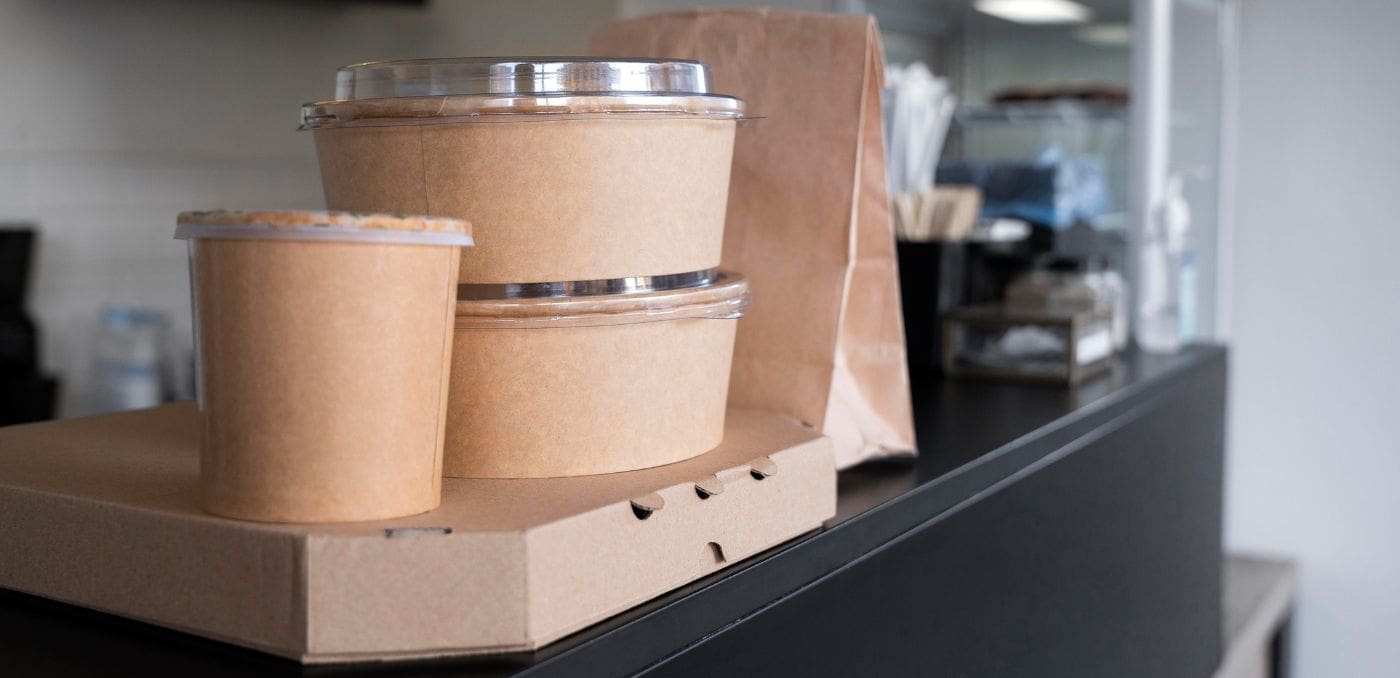
Takeaway Containers Explained: Names, Sizes, Types & Food Packaging Guide
Takeaway food is part of everyday life now. From a quick lunch bowl to a family dinner box, the right takeaway container can make food easier to carry, better presented and less likely to spill on the way home.
For cafés, restaurants, takeaway shops, food trucks and catering businesses, food packaging is not just a box. It protects the meal, keeps service moving and shapes how customers feel when they open their order.
In this guide, we’ll break down the common names for takeaway containers, popular sizes, Chinese takeaway boxes, deli containers, ramen bowls, coffee cup sizes and the main types of food packaging used by Australian food businesses.
What Are Takeout Containers Called?
In Australia, takeout containers are usually called takeaway containers or takeaway boxes. Restaurants, cafés and packaging suppliers may also call them food containers, food packaging containers, disposable food containers or takeaway food packaging.
The exact name often depends on the shape, material or food type. For example, a round plastic tub may be called a round takeaway container, a hinged box is often called a clamshell container, and a brown cardboard-style box is usually called a kraft takeaway box. Deeper bowls used for ramen, pho or laksa may be called noodle bowls, ramen bowls or takeaway soup bowls.
A Chinese takeout container is commonly called a Chinese takeaway box, noodle box, paper food pail or oyster pail. The classic folded paper box with a wire handle is the one many people picture, but in Australia, Chinese takeaway is also often packed in rectangular plastic containers, round containers, foil trays, noodle boxes and kraft food boxes, depending on the dish.
For restaurants and takeaway shops, the most common container names include plastic takeaway containers, kraft food boxes, sugarcane containers, foil containers, deli containers, salad bowls, ramen bowls and clamshell food containers. In simple terms, customers usually ask for a takeaway container or takeaway box, while businesses often search for food packaging, restaurant containers or takeaway food containers when buying in bulk.
What Are the 7 Types of Takeaway Containers?
There are many types of food packaging, but these are 7 of the most common takeaway container types used by food businesses.
Plastic Takeaway Containers
Plastic takeaway containers are popular for rice dishes, curries, pasta, salads, meal prep and leftovers. They are lightweight, stackable and usually come with matching lids. Common styles include rectangular containers, round containers and clear food containers.
Kraft Takeaway Boxes
Kraft boxes are brown paperboard-style containers used for burgers, snacks, fried food, family meals, chips, pastries and catering packs. They have a natural look and work well for casual takeaway food presentation.
Sugarcane Containers
Sugarcane containers are made from bagasse, which is fibre from sugarcane. They are used for meals, clamshells, plates and bowls. They are popular with venues that want a more natural-looking food packaging option.
Clamshell Containers
Clamshell containers have a hinged lid attached to the base. They are used for burgers, sushi, cakes, pastries, salads, meal packs and takeaway meals. OPS clear clamshells are often used when food visibility matters.
Noodle Bowls and Ramen Bowls
Takeaway noodle bowls are used for ramen, pho, udon, laksa, soup noodles, rice bowls and hot meals. They are deeper than standard takeaway containers, making them useful for broth, noodles and toppings.
Foil Containers
Foil containers are commonly used for baked meals, roast dishes, pasta, lasagne, curries, BBQ food and catering trays. They are popular when heat retention or oven use is important.
Deli Containers
Deli containers are usually round plastic containers used for salads, dips, sauces, olives, soups, desserts, fruit, sides and prepared ingredients. They are popular in delis, cafés, supermarkets and commercial kitchens.
How Big Is a Takeaway Container?
Takeaway containers come in many sizes. The right size depends on what food you are packing. A small container may be used for sauces, sides or desserts. A medium container may suit rice, pasta, curry or salads. A large container may be used for family meals, catering packs or shared dishes. Common takeaway container sizes include:
| Container Type | Common Size or Capacity | Best For |
|---|---|---|
| Sauce containers | 1oz to 4oz | Sauces, dressings, dips |
| Small round containers | 8oz to 10oz | Sides, desserts, snacks |
| Medium round containers | 16oz | Soups, curries, rice bowls |
| Large round containers | 20oz+ | Larger meals, salads, noodles |
| Rectangular containers | 500ml to 1000ml | Rice, pasta, curry, meal prep |
| Noodle bowls | 750ml to 1000ml+ | Ramen, pho, laksa, soup noodles |
| Snack boxes | Around 170–205mm long | Chips, wedges, pastries, snacks |
| Burger boxes | Around 105 × 105 × 85 mm | Burgers, sliders, rolls |
| Family boxes | Around 290 × 170 × 85 mm | Shared meals, catering, large portions |
What Size Is a Standard Takeaway Container?
A standard takeaway container is often around 650ml to 750ml, but it depends on the food.
For many restaurants, this size works well for rice dishes, pasta, curries, stir-fries and lunch meals. For noodle soups and ramen, a larger bowl around 950ml to 1000ml or more may be more suitable.
For burgers and snacks, size is usually measured in millimetres instead of millilitres. For example, a kraft burger box may be around 105 × 105 × 85 mm, while larger food boxes may be closer to 290 × 170 × 85 mm.
What Size Is a Large Takeaway Coffee Cup in Australia?
In Australia, a large takeaway coffee cup is commonly around 12oz, which is about 354ml to 355ml. Some cafés and chains also offer 16oz cups, which are around 473ml to 475ml, especially for larger hot drinks, iced coffee or cold drinks. Industry guides commonly list 8oz, 12oz and 16oz as popular takeaway coffee cup sizes.
Food Standards Australia New Zealand also notes that measured takeaway coffee cup volumes can vary between independent cafés and chain stores, so “small”, “medium” and “large” may not always mean the exact same volume from one shop to another.
What Are the Deli Container Sizes?
Deli containers are popular because they are stackable, easy to portion and usually available with matching clear lids. Deli containers are often measured in ounces or millilitres. Common deli container sizes include:
| Deli Container Size | Approx. Metric Size | Common Use |
|---|---|---|
| 4oz | 118ml | Sauces, dips, small sides |
| 8oz | 236ml | Small salads, desserts, snacks |
| 12oz | 355ml | Sides, fruit, small meals |
| 16oz | 473ml | Soups, salads, rice, pasta |
| 24oz | 710ml | Larger salads, meal prep |
| 32oz | 946ml | Large salads, soups, family sides |
How Large Are Takeout Containers?
Takeout containers can be as small as a sauce cup or as large as a family meal box. For everyday takeaway meals, many venues use containers between 500ml and 1000ml.
For example:
- 500ml containers suit smaller rice meals, sides and lunch portions.
- 650ml to 750ml containers suit standard takeaway meals.
- 1000ml containers suit larger meals, salads, noodles and generous portions.
- Family food boxes suit shared meals, combo packs and catering.
There is no single standard size because different cuisines need different packaging. A ramen shop needs a deeper bowl. A burger shop needs a burger box. A café may need salad bowls and kraft snack boxes.
Common Takeaway Container Sizes in Australia
Rectangular Plastic Takeaway Containers
| Size | Best For |
|---|---|
| 500ml | Small meals, sides, rice, pasta, snacks |
| 650ml | Single-serve meals, noodles, curry and rice |
| 750ml | Standard takeaway meals, stir-fries, salads |
| 1000ml | Larger meals, family portions, meal prep |
| 1500ml | Sharing meals, catering, bulk food storage |
Round Plastic Containers
| Size | Best For |
|---|---|
| 250ml | Sauces, dips, small sides |
| 500ml | Soup, rice, dessert, small salad |
| 750ml | Curry, noodles, salad, pasta |
| 1000ml | Larger soup, family portions, meal prep |
Brown Kraft Salad Bowls
| Size | Best For |
|---|---|
| 500ml | Small salads, sides, snacks, desserts |
| 750ml | Salads, rice bowls, light meals |
| 1000ml | Standard salad bowls, poke bowls, noodle bowls |
| 1300ml | Large salads, rice bowls, generous meals |
| 1500ml | Large takeaway meals, catering, sharing bowls |
Sugarcane Clamshell Containers
| Size / Type | Best For |
|---|---|
| 6 inch / 450ml | Burgers, snacks, sliders, chips |
| 8 inch / 900ml | Burgers, rice meals, noodles, sandwiches |
| 8 inch 3 compartment / 800ml | Combo meals, rice with sides |
| 9 inch / 1500ml | Large takeaway meals, burgers, noodles, rice dishes |
| 9 inch 3 compartment / 1300ml | Meal boxes, catering, separated food portions |
Corrugated Food Trays
| Tray Size | Common Use |
|---|---|
| Tray #1 | Nuggets, chips, samples, small snacks |
| Tray #2 | Loaded fries, wedges, desserts, sides |
| Tray #3 | Hot dogs, chips, snacks, small meals |
| Tray #4 | Burgers, chips, larger snacks, loaded meals |
| Tray #5 | Larger meals, sharing portions, catering |
Sugarcane Round Plates
| Size | Best For |
|---|---|
| 7 inch / 176mm | Cakes, snacks, desserts, sides |
| 9 inch / 225mm | Standard meals, salads, mains |
| 10 inch / 254mm | Larger meals, catering, shared plates |
How Big Is a Chinese Takeaway Container?
A Chinese takeaway container can vary depending on the restaurant and dish.
For Australian takeaway shops, common Chinese takeaway container sizes are often around:
- 500ml for small dishes, sides or rice
- 650ml to 750ml for standard meals
- 1000ml for large meals or sharing portions
The classic folded Chinese takeaway box may be described by capacity or by size, depending on the supplier. Rectangular plastic containers are also very common for Chinese takeaway because they stack well and work for rice, noodles, meat dishes and sauces.
How to Choose the Right Takeaway Container for Your Food
Choosing the right takeaway container depends on five things: food type, temperature, portion size, travel time and presentation.
Match the Container to the Food
A curry needs a container with a secure lid. A burger needs a box that protects the bun. Ramen needs a deep bowl. Cakes and sushi need clear packaging so customers can see the product.
Check the Lid Fit
For takeaway and delivery, the lid matters just as much as the container. A poor lid fit can cause leaks, spills and unhappy customers.
Think About Heat and Moisture
Hot food, oily food and saucy meals need stronger packaging. Some foods also release steam, so the wrong packaging can make items go soggy.
Choose the Right Portion Size
Too small, and the food looks cramped. Too large, and the meal looks poor value. Good packaging should make the portion look full, neat and generous.
Consider Storage Space
Busy venues need packaging that stacks well and is easy for staff to grab during service. If you use too many different container sizes, the kitchen can get messy quickly.
Best Takeaway Containers by Food Type
| Food Type | Best Container Option |
|---|---|
| Burgers | Kraft burger boxes |
| Chips and wedges | Kraft snack boxes |
| Ramen and pho | Takeaway noodle bowls |
| Rice and curry | Rectangular or round containers |
| Sushi | Clear OPS clamshells |
| Cakes and pastries | Clear food containers |
| Salads | Kraft salad bowls or round containers |
| Sauces and dips | Small deli containers |
| Family meals | Large kraft food boxes |
| Catering | Large boxes, trays and foil containers |
Takeaway Container Regulations in Australia: What Food Businesses Should Know
When choosing takeaway containers in Australia, it is not only about size, shape and price. Food packaging also needs to be suitable for food contact, appropriate for the type of meal being served, and compliant with local single-use plastic rules. Under the Australia New Zealand Food Standards Code, materials used in contact with food, including packaging, must be suitable for their intended use and must not make food unsafe. This means cafés, restaurants, food trucks and takeaway shops should choose containers that are designed for food use, especially when packing hot food, oily food, acidic sauces, soups or chilled meals. FSANZ confirms that the Food Standards Code is made up of legislative instruments, and Standard 1.4.3 covers articles and materials in contact with food, including packaging materials.
For everyday takeaway use, check whether the container is suitable for hot food, cold food, microwave heating, freezer storage or oven use. For example, a paper salad bowl may be suitable for cold meals, while a foil container may be better for baked dishes or hot catering trays. Not every container is suitable for every food type.
Single-use plastic rules also vary between Australian states and territories. Some plastic items, foam containers, disposable plates, bowls, cutlery, straws and certain takeaway food containers may be banned or restricted depending on where the business operates. Western Australia, for example, lists banned single-use plastic items across bags, straws, utensils, cups, cup lids, foodware and expanded plastic items, while South Australia has detailed rules covering certain takeaway food containers and small plastic condiment containers.
Because these rules are not exactly the same across Australia, food businesses should check their local state or territory requirements before buying packaging in bulk. This is especially important for plastic containers, foam packaging, plastic-lined items, disposable cups and lids.
Businesses should also be careful with environmental claims. The ACCC says environmental and sustainability claims must be true, accurate and based on reasonable grounds. Broad claims such as “eco-friendly”, “green” or “sustainable” can be misleading if they are not clearly explained and backed by evidence.
If a product is promoted as compostable, it should have proper certification. APCO’s National Compostable Packaging Strategy says packaging should only be called compostable where it is technically compostable, such as being certified to Australian Standard AS 4736 or AS 5810, and where it can be collected, sorted and composted in practice.
| What to Check | Why It Matters |
|---|---|
| Food-contact suitability | Helps ensure the packaging is safe for serving food |
| Hot or cold food use | Not all containers suit hot meals, soups or oily food |
| Microwave, freezer or oven use | Only use packaging for these applications if confirmed |
| Lid fit and leak resistance | Important for delivery, takeaway and saucy meals |
| Local plastic ban rules | Regulations vary by Australian state and territory |
| Compostable certification | Compostable claims should be supported by recognised certification |
| Disposal instructions | Recyclable or compostable packaging may still depend on local facilities |
In Conclusion
Takeaway containers may look simple, but they make a big difference to food presentation, delivery quality and customer experience. The best food packaging should suit your menu, hold the right portion, close securely and make the meal easy to carry. For most food businesses, it is worth keeping a practical mix of packaging on hand, including takeaway boxes, round containers, rectangular containers, sauce cups, noodle bowls, kraft boxes and clear display containers.
At Bens Hospitality Equipment, we supply takeaway containers and food packaging for cafés, restaurants, takeaway shops, food trucks, bakeries, sushi shops and catering businesses across Australia. Browse our range online or contact our team for help choosing the right container size for your menu.