How Much Ice Does Your Aussie Business Really Need?
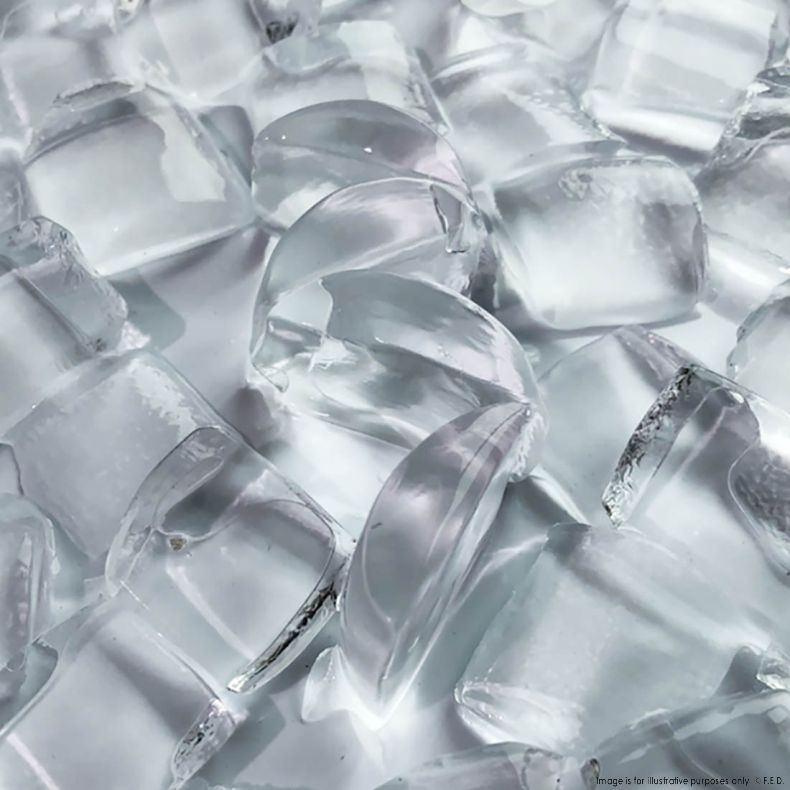
When you’re running a café, restaurant, bar, or takeaway in Australia, running out of ice is one of those little disasters that can throw your whole service off track. No one wants to serve a warm cocktail, a lukewarm iced coffee, or seafood without a fresh bed of ice. But here’s the thing — buying the wrong size ice machine can cost you money, space, and even customer satisfaction.
This guide will help you work out exactly how much ice your Aussie business really needs, so you can choose a machine that keeps up without wasting energy or water.
Table of Contents
Why Getting the Right Ice Output Matters
Choosing the right ice machine isn’t just about buying the biggest unit you can afford—it’s about finding the perfect balance between demand and efficiency. A commercial ice maker is a long-term investment, and the wrong size can cost your business in more ways than one.
If your ice machine is too small, you’ll constantly run out of stock during peak service hours. That means unhappy customers, longer wait times, and extra stress on staff scrambling to refill drinks or source ice elsewhere.
On the other hand, if your machine is too large, you’ll be wasting energy and money producing ice you don’t actually use. Oversized machines not only chew through more power but also take up valuable space in your kitchen or bar area.
The sweet spot is an ice machine that reliably covers your busiest daily demand with a little buffer to spare. This way, you’ll always have enough ice on hand during lunch rushes, dinner service, or weekend events—without wasting resources on excess capacity.
By sizing your machine correctly, you’ll save on running costs, storage, and maintenance, while keeping your customers happy with consistent, ice-cold drinks.
Start with Your Daily Ice Demand
The very first step in choosing the right commercial ice machine is understanding how much ice your business actually uses each day. Ice requirements vary hugely depending on your industry and service style—what works for a small café won’t cut it for a busy seafood display.
Here’s a quick breakdown of average daily ice needs by business type: Ice demand varies a lot depending on the type of business you run. For example, a café or coffee shop generally uses between 0.5–1 kg of ice per customer, which works out to around 50 kg a day if you’re serving 50–100 iced drinks. A busy bar or pub will need much more, averaging 1–2 kg of ice per person, or roughly 150 kg daily to cover cocktails, mixers, and beer service. In a restaurant, the demand usually falls between 0.5–1.5 kg per diner, so a venue serving 80 covers would go through around 100 kg of ice each day. If you’re running a seafood display, usage spikes dramatically, with 1–3 kg per kilo of seafood displayed, meaning you can easily need 200 kg or more per day. Even fast food outlets and takeaways rely heavily on ice, usually around 0.3–0.8 kg per customer, which adds up to 50–80 kg daily for cold drinks and food prep.
💡 Pro Tip: Always size your ice machine for your busiest trading day, not just your average. A café may only need 40–50 kg of ice on a quiet weekday, but a hot Saturday rush could double that. Planning for peak demand means you’ll never get caught short during your busiest hours.
By calculating daily ice needs per customer (or per cover) and factoring in your peak service demand, you’ll get a far more accurate estimate of the machine capacity you need—helping you avoid both shortages and wasted energy.
Account for Storage, Not Just Production
When choosing a commercial ice machine, it’s not enough to just check the production rate (how many kilos of ice the machine can make in 24 hours). You also need to consider storage capacity. Every machine comes with a built-in storage bin, and once it’s full, the unit automatically stops making ice until there’s space again.
This can be a big problem during peak hours. Imagine a busy café on a summer Saturday — your ice machine might produce 100 kg per day, but if the storage bin only holds 30 kg at once, you could run out by lunchtime and be stuck waiting for new ice to freeze. Similarly, a seafood shop preparing for a weekend display might need 200 kg on hand in the morning. Even if their machine makes that much daily, without a large enough bin, they’ll be topping up all day instead of focusing on customers.
A good rule of thumb is to choose a machine with a bin capacity that covers your biggest single rush period. For example, if your bar goes through 50 kg of ice during Friday night service, make sure the storage can hold at least that much upfront. Production will then refill the bin during quieter times.
👉 The balance of daily production and instant storage is what keeps service smooth, without staff stressing over ice running out at the worst time.
Factors That Can Increase Your Ice Needs
Getting your ice machine sizing right isn’t just about today’s numbers — your usage can change depending on season, menu, events, and staff habits. Here’s what to watch out for:
1. Seasonality
Australia’s hot summers can easily double ice demand. A café that usually goes through 40 kg a day in winter might suddenly need 80–100 kg in January when every second customer wants an iced latte or cold brew. Seafood shops also see huge spikes around Christmas and summer holidays, when fresh prawns and oysters need to be displayed on ice. If your machine is sized only for your “average” season, you’ll fall short when you need it most.
2. Menu Changes
What you serve directly impacts your ice needs. Adding just one popular smoothie or cocktail can easily add 10–20 kg of extra ice use per day. For example, a café that launches a mango smoothie in summer might find each serve uses 300–400g of ice. Sell 50 in a day, and you’ve suddenly added 15–20 kg of extra demand on top of your usual load.
3. Special Events & Peak Periods
Events like Valentine’s Day dinners, Christmas parties, or footy finals can push your ice needs way above average. A bar that usually goes through 120 kg per night may suddenly need 200+ kg when it’s standing-room only. Catering businesses also face this — a single wedding function may require 100 kg of ice just for drinks service and bar stations.
4. Ice Wastage & Overfilling
Not all ice gets used efficiently. Staff often overfill buckets, ice wells, or display trays, and that “extra” quickly adds up. For example, if every staff member scoops an extra 2–3 kg per shift, over a week that could be 50+ kg of ice wasted. Building in a 10–15% buffer on your estimate helps avoid running dry because of normal staff habits.
Quick Formula for Sizing Your Ice Machine
Choosing the right commercial ice maker starts with a simple calculation. You don’t need to guess — just use this formula:
(Peak Customers Per Day) × (Average Ice Per Customer in kg) + 20% Buffer = Minimum Ice Needed Per Day
This ensures you’re not only covering your busiest service but also allowing a safety margin for wastage, hotter weather, or unexpected rushes.
A café serves around 120 iced coffees, cold brews, and smoothies on a hot day. Each drink uses about 0.6 kg of ice.
120 × 0.6 kg = 72 kg
Add 20% buffer = 86 kg/day
👉 This café should invest in a machine that produces at least 90 kg of ice per day to avoid running out in peak hours.
A bar serves 200 cocktails and mixed drinks in a night, averaging 1 kg of ice per drink (shakers, garnishes, and extra in glasses).
200 × 1 kg = 200 kg
Add 20% buffer = 240 kg/day
👉 The bar needs a machine capable of at least 240–250 kg/day output, with good storage to handle back-to-back orders.
A bar serves 200 cocktails and mixed drinks in a night, averaging 1 kg of ice per drink (shakers, garnishes, and extra in glasses).
200 × 1 kg = 200 kg
Add 20% buffer = 240 kg/day
👉 The bar needs a machine capable of at least 240–250 kg/day output, with good storage to handle back-to-back orders.
A seafood market displays prawns, oysters, and fish on ice. Daily display requires about 220 kg of ice to keep everything fresh and food-safe.
220 kg + 20% buffer = 264 kg/day
👉 They’ll need a heavy-duty ice maker rated for 260–300 kg/day, plus large storage to hold display stock.
A burger shop sells 100 cold drinks and 30 milkshakes daily, averaging 0.4 kg per serve.
130 × 0.4 kg = 52 kg
Add 20% buffer = 62 kg/day
👉 A compact undercounter ice machine producing 60–70 kg/day is more than enough.
Popular Commercial Ice Machine Sizes in Australia
When choosing an ice machine, production capacity is one of the most important factors. Here’s a breakdown of the most common sizes in Australia and the types of businesses they suit:
Small Ice Machines (20–60 kg/day)
Best for: small cafés, food trucks, boutique juice bars, or low-volume bars.
Why choose this size?
Small ice makers are compact, often fitting neatly under a counter, making them perfect for venues with limited space. They’re ideal if you only serve iced coffees, smoothies, or a handful of cocktails each day.Example use: A hole-in-the-wall coffee shop selling 40–60 iced drinks per day might need a 50 kg/day machine to keep up with daily demand.
Medium Ice Machines (60–150 kg/day)
Best for: busy cafés, mid-sized restaurants, casual dining venues, or mid-volume bars.
Why choose this size?
These units offer a balance of capacity and efficiency. They can handle lunch rushes, dinner services, or consistent bar trade without taking up too much room.Example use: A 100-seat restaurant serving around 100–150 covers per night, plus prep use, would typically need an 80–120 kg/day machine.
Large Ice Machines (150–1000 kg/day)
Best for: high-volume cocktail bars, nightclubs, hotels, seafood markets, and catering businesses.
Why choose this size?
Large machines are built for venues with constant, heavy ice demand. They can support busy bar service, bulk seafood displays, or catering functions where hundreds of kilos of ice are required in a single day.Example use: A seafood retailer setting up fresh displays daily may need a 300 kg/day machine, while a nightclub with multiple bars might install a 250–300 kg/day machine to handle late-night crowds.
Final Tips for Picking Your Ice Machine
Choose a trusted brand like Hoshizaki, Bromic, or Scotsman for reliability.
Check energy and water efficiency ratings to save on running costs.
Think about placement — allow airflow around the machine and easy drainage.
Always buy from a supplier that offers warranty and Australia-wide support.
Need help finding the right ice machine?
At BENDGS Catering Kitchen Equipment, we supply a huge range of commercial ice makers, including cube ice machines, flake ice machines, and nugget ice machines.
Whether you run a small café or a busy seafood shop, we’ll help you size your machine perfectly so you never run out of ice again.