

Find The Best Stainless Steel Benches in Australia
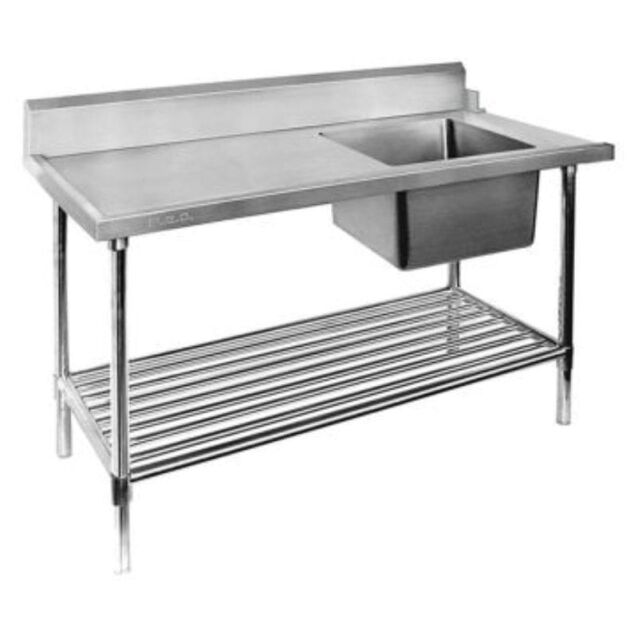
If you’re setting up or upgrading your café, restaurant, bar, or food business, a stainless steel bench is one of the smartest investments you can make. It’s the backbone of any commercial kitchen — where all the prep, plating, and cleaning happens. In this guide, we’ll help you choose the right stainless steel benches, sinks, and dishwasher benches for your space.
Table of Contents
What is a Commercial Stainless Steel Bench?
A commercial stainless steel bench (also called a stainless steel work table or prep bench) is a heavy-duty table made from food-grade stainless steel. These benches are built tough for busy kitchens where staff need to prepare lots of food quickly. Unlike regular kitchen benches you might have at home, commercial stainless benches can handle heavy pots, hot trays, sharp knives and constant cleaning without breaking down.
Most Australian commercial kitchens use 304-grade stainless steel benches because this material is rust-proof, easy to clean and meets all food safety rules. The benches usually come with extra features like shelves underneath for storage, raised edges at the back (known as splashback) to stop spills, or wheels so you can move them around.
Why Stainless Steel Benches Are Essential in Every Commercial Kitchen
Every successful kitchen runs on efficiency, hygiene, and durability — and that’s exactly what a stainless steel bench delivers. Whether you’re running a café, restaurant, bar, or takeaway, your workspace needs to withstand constant use, spills, and cleaning while keeping things spotless and professional. Stainless steel benches are the industry standard because they’re strong, easy to clean, and built for long-term reliability.
1. Durable & Long-Lasting
Commercial kitchens can be tough environments — heavy pots, hot pans, and sharp utensils all take their toll. Stainless steel benches are designed to take it. They resist dents, corrosion, and rust, even in wet or humid areas, making them far more durable than wood or laminate alternatives. Many quality benches, like those sold at BENDGS, are made with 304-grade stainless steel, which offers excellent strength and corrosion resistance ideal for food service use.
2. Hygienic & Food-Safe
Cleanliness isn’t optional in a kitchen — it’s a must. Stainless steel has a non-porous surface, meaning bacteria, mould, and food particles can’t seep into the material. It can be wiped down and sanitised quickly between food prep tasks, helping your kitchen meet Australian food safety standards. Because of this, stainless steel is widely approved for use in all commercial food prep areas.
3. Low Maintenance
Stainless steel benches are extremely easy to maintain. Daily cleaning with a mild detergent or stainless steel cleaner is all it takes to keep them looking brand new. They don’t chip, peel, or stain like other materials, and scratches can often be polished out. This low-maintenance quality makes them perfect for busy kitchens where time is precious.
4. Versatile Use Across All Areas
From prep benches and sink units to dishwasher inlet/outlet benches, stainless steel can do it all. You’ll find it in every part of a commercial kitchen — food prep, cooking, cleaning, plating, and even storage. Benches can be customised with undershelves, splashbacks, or overshelves, helping you make the most of your workspace no matter how small or large it is.
5. Sleek, Professional Appearance
A stainless steel setup gives your kitchen that clean, modern, and organised look every chef loves. It reflects light, making the space appear brighter and more open. Beyond looks, it sends the right message — that your business takes hygiene, quality, and professionalism seriously. Whether front-of-house or behind the scenes, stainless steel adds polish and credibility to any commercial kitchen fit-out.
6. Handles Heat Without Damage
Unlike timber or laminate benches that can burn or melt, stainless steel won’t be damaged if you put a hot pot or tray on it. This is really helpful in busy kitchens where staff need to move quickly and don’t always have time to use heat mats. The steel won’t catch fire, release toxic fumes or get permanent scorch marks.
7. Good for the Environment
Stainless steel is 100% recyclable, so when your bench finally reaches the end of its working life (which will be many years away), the material can be melted down and made into something new. This makes it a better environmental choice than plastic or timber benches that end up in landfill.
Know the Types of Stainless Steel Benches
Before you buy, it’s important to understand what type of stainless steel bench best suits your kitchen layout, workflow, and cleaning setup. Each type serves a different purpose, so choosing the right mix can make a huge difference in how smoothly your kitchen runs.

Flat Work Benches
These are the most common type of stainless steel benches — simple, strong, and designed for everyday food preparation.
Work benches feature a flat surface ideal for prepping ingredients, chopping, plating meals, or assembling orders. Many come with undershelves or enclosed cabinets, giving you extra storage space for pots, pans, or utensils underneath.
You can choose from flat benches for open prep zones or benches with splashbacks to protect walls from spills and splashes. If you need flexibility, go for mobile benches with castors, so you can move them around for cleaning or re-arranging your kitchen layout.
- Ideal for: Cafés, restaurants, bakeries, and catering prep areas
- Recommended material: 304 stainless steel for long-term use and hygiene
Benches with Splashbacks
These benches have a raised panel (usually 100mm or 150mm high) along the back edge. The splashback stops water, sauce or food from splashing onto the wall behind the bench. This keeps your walls cleaner and makes the bench better for messy prep work like washing vegetables or draining pasta. Splashback benches cost a bit more but save you time on wall cleaning.

Dishwasher Inlet & Outlet Benches
Dishwasher benches are designed to integrate seamlessly with commercial dishwashers, helping to streamline your washing process.
- Inlet benches are used before the wash cycle — they hold dirty plates, cutlery, and cookware ready to be rinsed and loaded.
- Outlet benches are positioned on the other side of the dishwasher and provide a clean, dry surface for stacking freshly washed dishes.
These benches often come with sink bowls, splashbacks, and pre-rinse tap mounts, making them a must-have for efficient dishwashing zones. Many also include drainage channels that prevent water build-up, keeping your workspace safe and clean.
- Ideal for: Restaurants, catering kitchens, hotels, and dishwashing areas
- Recommended pairing: Commercial dishwashers from Eswood, Fagor, or Washtech available at BENDGS

Sink Benches
A sink bench combines a solid stainless steel workspace with one or more sink bowls — ideal for washing produce, equipment, and utensils. These benches are available in single, double, or triple bowl options, with left- or right-hand drainage boards to suit your workflow.
When choosing a sink bench, think about what you’ll be washing and how much space you need for draining. If your kitchen handles lots of prep work, consider a double-bowl sink bench to allow washing and rinsing simultaneously.
Many commercial sink benches also include undershelves for storage, splashbacks for hygiene, and sound-deadening pads to reduce noise.
- Ideal for: Dishwashing areas, prep kitchens, and food processing spaces
- Tip: Always choose 304-grade stainless steel for sink benches — it’s corrosion-resistant and safe for wet environments
Corner Benches & Overshelves
Space is valuable in any kitchen, and corner benches help you make the most of every inch. They fit neatly into unused corners, connecting two straight benches to create an L-shaped workspace and improve workflow between prep, cooking, and cleaning zones.
To further maximise your workspace, add overshelves — single or double-tier shelves mounted above your bench. These are perfect for keeping commonly used items like spices, containers, utensils, or equipment within easy reach while keeping your benchtop clear.
Overshelves are usually made from the same durable stainless steel, maintaining a clean, professional look throughout your kitchen.
- Ideal for: Compact kitchens and café setups where bench space is limited
- Tip: Double-tier overshelves can double your storage without taking up extra floor space
Mobile Stainless Steel Benches
A mobile stainless steel bench gives you the ultimate flexibility in your kitchen setup. Whether you’re rearranging for a new menu layout, deep-cleaning, or hosting events, mobility makes it effortless.
These benches are built with robust castors and reinforced frames, so they can handle the same workload as fixed benches while still being easy to move. They’re perfect for use as portable prep tables, plating stations, or temporary extensions next to fridges and cooking lines.
- Best for: Catering companies, shared kitchens, pop-up cafés, and hospitality venues needing adaptable workspaces
- Bonus: Some models feature lockable wheels and undershelves, giving you both movement and storage in one unit
Check the Material Grade: 304 vs 430 Stainless Steel
The quality of stainless steel determines how well your bench performs over time. Not all stainless steel is the same. The “grade” tells you what the steel is made from and how it will perform.
304 Grade Stainless Steel (18/8)
This is the premium option for commercial food preparation. It contains 18% chromium and 8% nickel, which makes it very resistant to rust and corrosion. 304-grade steel is perfect for wet areas like sinks, dishwashing zones or prep areas where you wash vegetables. It’s more expensive but lasts much longer, especially in Australia’s humid coastal cities like Sydney, Brisbane or Perth. All food-safe stainless steel benches should be 304 grade.
430 Grade Stainless Steel
This is a cheaper option that contains no nickel. It’s less resistant to rust, especially in humid conditions or near saltwater. 430-grade steel works okay for dry storage areas or light prep work, but it’s not the best choice for busy commercial kitchens. Save money elsewhere – always choose 304 grade for your main work benches.
| Grade | Features | Best For |
|---|---|---|
| 304 Stainless Steel | Premium, corrosion-resistant, ideal for wet areas | Professional kitchens, sink benches, dishwashing zones |
| 430 Stainless Steel | More affordable, suitable for dry areas | Prep benches, packing areas, storage shelves |
Tip: If you’re working with water, sauces, or cleaning chemicals regularly, go for 304 stainless steel — it’ll last much longer.
Choose the Right Size & Configuration
When buying a stainless steel bench, getting the right size and layout is just as important as choosing the right type. A well-planned bench setup helps your kitchen run smoothly, saves time during service, and keeps your workspace safe and efficient.
1. Measure Your Space Accurately
Start by measuring your available kitchen space. Think about where your food prep, washing, and plating zones are located — each area may need a different style or length of bench.
Standard dimensions:
Depths: Most benches come in 600mm to 700mm depths — 600mm for tighter kitchens, 700mm for commercial prep or dishwashing areas.
Widths: Typically range from 900mm up to 2400mm, but custom sizes are also available if you’re fitting out a unique space.
Height: The standard working height is around 900mm, which suits most users for comfort and ergonomics.
Tip: When measuring, remember to allow enough clearance for walking paths, fridges, ovens, and doors to open easily. Crowded kitchens can slow down workflow and become safety hazards.
2. Plan for Workflow and Efficiency
Think about how your team moves between prep, cooking, and cleaning zones. You’ll want a logical flow that reduces unnecessary steps.
A common layout in Australian commercial kitchens follows this sequence:
Storage → Preparation → Cooking → Plating → Dishwashing
Use benches to link these zones together. For example:
Place a prep bench beside your refrigerator for easy ingredient access.
Keep a sink or dishwasher bench near the cooking area for quick clean-ups.
Add an outlet bench next to the dishwasher to stack clean dishes safely.
Planning this way not only improves speed and safety but also helps you comply with Australian Food Safety Standards, which require clear separation between clean and dirty processes.
3. Match Heights and Alignments
If you’re joining multiple benches together or connecting a bench to a dishwasher, it’s crucial to ensure the height and alignment match perfectly. Uneven surfaces can cause water pooling, unstable cutting boards, and wasted space between benches.
BENDGS offers a range of benches that can be easily connected or customised to match your existing setup — ideal for modular kitchens or expanding layouts.
4. Allow Space for Equipment & Accessories
Before ordering, consider what will sit on or under your benches.
Under-bench fridges or freezers: Make sure there’s enough clearance for ventilation.
Dishwashers or sinks: Check plumbing locations and drainage alignment.
Storage or shelving: Leave space for access to undershelves, bins, or ingredient containers.
If you plan to use overshelves, make sure the total height still allows comfortable access without blocking visibility or lighting.
5. Future-Proof Your Layout
It’s worth thinking ahead — will your business expand soon? Leave some flexibility in your layout for additional benches or upgraded equipment. Stainless steel benches are modular by design, so you can easily add more units later if your kitchen grows.
Look for Practical Features
When it comes to stainless steel benches, the best models are more than just a sturdy work surface — they’re built to make your daily kitchen tasks easier, safer, and more efficient.
From adjustable legs to splashbacks and rounded edges, each small feature plays a big role in comfort, hygiene, and long-term performance.
Here’s what to look for when shopping for your next commercial stainless steel bench:
1. Adjustable Feet or Castors
Kitchen floors are rarely perfectly level. Adjustable feet let you fine-tune your bench height so it stays stable and balanced, even on uneven flooring. This keeps your benchtop steady for chopping, prepping, or plating — no wobble, no spills.
If you often rearrange your layout or need to move benches for cleaning, go for benches with castors (mobile work benches). These make it simple to reposition your workspace, connect with other equipment, or reach behind for maintenance. Look for lockable castors for extra stability once the bench is in place.
- Ideal for: Busy kitchens, catering operations, or spaces that need flexibility.

2. Undershelves for Storage
Extra storage is always a win in a commercial kitchen. Many benches feature undershelves, which make great use of the space below your work area. You can keep heavy pots, utensils, dry ingredients, or cleaning supplies neatly organised and within easy reach.
Choose adjustable undershelves if you need flexibility for larger containers or appliances. Stainless steel shelves are tough, rust-resistant, and quick to clean — perfect for maintaining hygiene while keeping clutter off your benchtop.
- Pro tip: Store heavy equipment low for safety and stability.
3. Splashbacks to Protect Walls
A splashback is a simple yet essential feature that keeps your walls clean and dry. It prevents water, sauces, and oil from splashing behind the bench — especially important near sinks and prep areas.
Most stainless steel benches come with a 100mm–150mm high splashback, seamlessly welded to the rear edge for hygiene and durability. It also saves you time on wall cleaning and helps maintain a professional, spotless appearance.
- Great for: Dishwashing zones, prep areas, and food handling benches.
Browse splashback benches
4. Sound-Deadening Pads
Commercial kitchens can be noisy places, and every bit of sound control helps. Benches fitted with sound-deadening pads under the top panel help reduce vibration and noise when chopping, mixing, or setting down cookware.
This small but valuable feature creates a quieter, more comfortable working environment — ideal for open kitchens or cafés where customers are nearby. It also helps extend your bench’s life by reducing metal stress from constant use.
- Bonus: Less noise means better focus and happier staff.
5. Rounded Edges for Safety & Easy Cleaning
Sharp corners are unsafe and hard to clean. Rounded or bull-nose edges eliminate those hazards while making the bench look sleek and professional. They prevent accidental bumps or cuts during busy service hours and stop dirt or food residue from getting trapped in corners.
All quality stainless steel benches should have fully welded, smooth edges that meet hygiene standards for commercial food preparation areas. It’s a small detail that shows real craftsmanship and makes cleaning faster at the end of a long shift.
- Tip: Polished rounded edges not only look premium but are safer for high-traffic kitchens.
Consider Assembly & Installation
Most stainless steel benches from BENDGS come flat-packed for easy transport and quick assembly. Always check the product description for assembly requirements. For heavy benches or sink units, professional installation ensures proper alignment and drainage.
How to Assemble a Stainless Steel Bench (General Guide)
Before You Begin
Clear space around the installation zone so there’s room to work safely.
Ensure you have all parts and hardware.
Check the flooring where you’ll install: make sure it’s clean, reasonably level and can support the bench plus equipment.
Gather tools: usually a socket/ratchet set, adjustable spanner, spirit level, possibly a rubber mallet for fit-adjustments.
Step 1: Unpack & Sort Parts
Unpack the bench components and lay them out: legs, frame, top panel, undershelf (if fitted), splashback (if included), adjustable feet or castors.
Refer to the included instruction manual and parts list.
Remove any protective film from stainless steel surfaces carefully (avoid scratching).
Step 2: Attach the Legs to the Top Panel
Position the benchtop upside-down or on a padded surface to avoid marring the finish.
Match each leg to its mounting point under the bench top.
Insert bolts/fasteners finger-tight initially (don’t fully tighten yet). This allows final adjustment once all legs are in place.
Once all legs are attached and levelled, fully tighten bolts in a symmetrical sequence to ensure even torque.
Step 3: Fit Undershelf & Splashback (If Included)
If your bench has an undershelf: attach it between the legs at the height specified in the instructions. Secure bolts loosely first, then final-tighten once level.
If a splashback is included, attach it to the rear edge of the benchtop — ensure the seam is flush and sealed as per instructions, especially important for hygiene and cleaning.
Step 4: Level the Bench & Adjust Feet or Castors
Flip the bench upright (get help—bench may be heavy).
Use a spirit level on top of the bench surface (front-to-back and side-to-side) to check for level.
Adjust the bullet feet or castor bases until the bench is stable and level. Uneven legs reduce stability and can cause wobble.
If your bench has castors (mobile bench version), ensure brakes are engaged and perform a gentle push test to confirm firmness.
Step 5: Final Checks & Secure Position
Double-check all bolts and fasteners are tightened.
Ensure there is adequate clearance around the bench for movement, cleaning, and workflow.
If the bench sits next to or integrates with other equipment (dishwasher, fridge, sink), verify alignment of heights and surfaces. (A key assembly tip from our earlier guide.)
Clean the surface: remove fingerprints, residue, protective film. Use a mild detergent or stainless-steel cleaner.
Record installation date and keep the manual, especially if warranty registration is needed
Step 6: Verify Safety & Hygiene Standards
A well-assembled stainless steel bench should provide a stable, hygienic work surface.
- Ensure the bench meets your kitchen’s food-safety requirements for commercial operations in Australia (non-porous surfaces, no traps for dirt, easy to clean).
Matching Your Bench With Other Equipment
Your stainless steel bench setup should work seamlessly with your other kitchen gear:
Pair dishwasher inlet benches with commercial dishwashers from brands like Eswood or Fagor.
Match prep benches with refrigerated prep counters for efficient cold-food handling.
Combine sink benches with pre-rinse taps and sprayers for faster cleaning.
Explore our full range of:
At BENDGS, we stock a massive range of commercial stainless steel benches, sinks, inlet and outlet benches, and wall shelves — all built tough for the hospitality industry. Whether you’re fitting out a new restaurant, café, or food prep area, we can help you find the right setup for your needs.

