

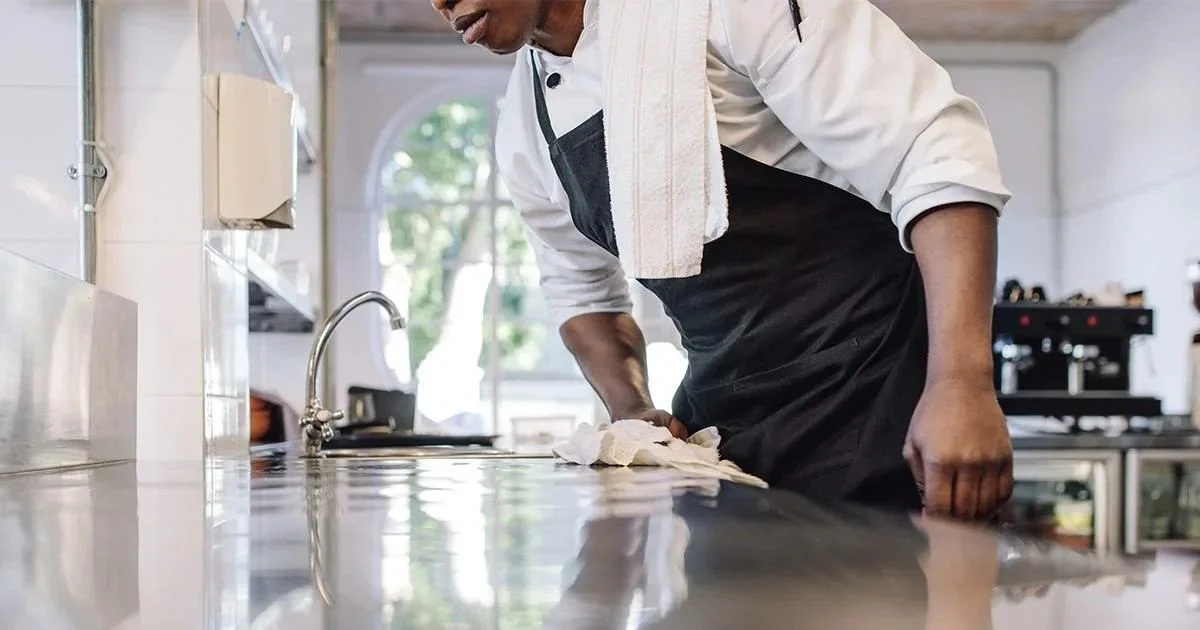
Stainless Steel Bench Cleaning & Maintenance Guide
Stainless steel benches are the workhorses of every commercial kitchen. From prep areas in busy cafés to heavy-duty workstations in butcher shops and food production facilities, they handle constant use, heat, moisture, chemicals and heavy equipment — all day, every day.
But here’s the truth: stainless steel is tough, not invincible.
Proper cleaning and maintenance not only keep your bench looking professional, but also protect your investment, ensure food safety compliance, and extend its lifespan well beyond a decade. In Australian hospitality environments, where humidity and temperature can fluctuate dramatically, correct care makes an even bigger difference.
This complete guide covers:
Daily cleaning routine
Weekly deep cleaning process
What to avoid
Removing stains and rust spots
Preventing corrosion
Maintaining 304 vs 316 stainless steel
Long-term care tips for commercial kitchens
Let’s break it down properly.
Why Proper Cleaning Matters in Commercial Kitchens
Stainless steel is widely used because it is:
Hygienic and non-porous
Corrosion resistant
Durable under heavy loads
Easy to sanitise
Compliant with Australian food safety standards
However, improper cleaning can cause:
Surface scratching
Tea staining (common in coastal areas)
Pitting corrosion
Discolouration
Bacterial buildup in scratches
Even high-quality 304-grade stainless steel can deteriorate prematurely if cleaned incorrectly.
The good news? A simple maintenance routine can keep your bench in excellent condition for 10–15+ years.

Daily Cleaning Routine (Essential for Hygiene & Compliance)
Daily cleaning prevents grease build-up, food contamination and staining.
Step 1: Wipe Down with Warm Water & Mild Detergent
Use:
Warm water
Mild dishwashing liquid
Soft cloth or sponge
Avoid abrasive pads.
This removes:
Food particles
Oil splashes
Sauce residue
Fingerprints
In high-volume kitchens, wipe down surfaces between prep tasks to maintain hygiene compliance.
Step 2: Use a Microfibre Cloth
Microfibre cloths are ideal because they:
Lift dirt without scratching
Reduce streaking
Trap fine particles
Protect the brushed finish
Always wipe in the direction of the grain. Stainless steel has a visible grain pattern — wiping across it can cause micro-scratches over time.
Step 3: Dry Thoroughly
This step is often skipped — and it’s a mistake.
Water left on stainless steel can cause:
Water spotting
Mineral deposits
Surface dullness
Dry with a clean microfibre towel immediately after cleaning.
Weekly Deep Clean (Protecting Long-Term Durability)
Daily wiping isn’t enough in busy commercial environments. A deeper clean once per week keeps your bench looking professional and corrosion-resistant.
Step 1: Use a Proper Stainless-Steel Cleaner
Choose a cleaner designed specifically for stainless steel. These:
Remove built-up grease
Restore shine
Leave a protective layer
Avoid generic heavy-duty degreasers unless labelled safe for stainless steel.
Step 2: Always Follow the Grain
Scrubbing across the grain damages the brushed finish and makes surfaces harder to clean over time.
Look closely at your bench — you’ll see fine directional lines. Clean parallel to them.
Step 3: Avoid Chlorine-Based Cleaners
Chlorine is stainless steel’s worst enemy.
Bleach and chlorine-based sanitisers can:
Cause pitting
Create rust spots
Break down protective chromium oxide layer
If bleach must be used (for sanitation protocols), rinse thoroughly and dry immediately.
What to Avoid (Common Mistakes That Cause Damage)
Many stainless steel issues come from well-intentioned but incorrect cleaning.
Steel Wool or Wire Brushes
These scratch the surface and leave iron particles behind, which can rust.
Harsh Chemicals
Avoid:
Bleach (unless diluted and rinsed immediately)
Hydrochloric acid
Strong descalers not rated for stainless steel
Leaving Acidic Foods on Surface
Tomato sauce, citrus juice, vinegar and salt can stain if left sitting.
Always wipe spills immediately.
Removing Common Stainless Steel Problems
Even with proper care, issues can arise. Here’s how to handle them.
Removing Water Spots
Cause: Hard water minerals
Solution:
Use diluted white vinegar
Wipe with grain
Rinse with clean water
Dry completely
Removing Grease Build-Up
Use:
Mild degreaser rated for stainless steel
Warm water
Soft cloth
Never use scouring pads.
Removing Rust Spots (Tea Staining)
Tea staining is common in coastal Australian regions.
To treat:
Use a stainless-steel restoration cleaner
Gently rub with non-abrasive pad
Rinse and dry
Prevention is key — keep surfaces dry and clean.
304 vs 316 Stainless Steel: Maintenance Differences
Most commercial kitchen benches use 304-grade stainless steel. It’s strong, hygienic and cost-effective.
316-grade stainless steel contains added molybdenum, which improves corrosion resistance — ideal for:
Coastal locations
Butcher shops
Seafood preparation areas
Maintenance is similar, but 316 handles salt exposure better.

Preventing Long-Term Damage
1. Maintain Proper Ventilation
Excess moisture increases corrosion risk. Ensure:
Kitchen exhaust systems are functioning
No standing water under benches
Proper drainage nearby
2. Avoid Cross-Contamination
Do not place:
Carbon steel tools
Cast iron pans
Rusted equipment
directly on stainless steel surfaces for long periods.
Iron particles can transfer and cause rust staining.
3. Check Weld Points
Weld joints are more vulnerable to corrosion. Inspect periodically and clean thoroughly.
4. Protect From Heavy Impacts
While strong, thinner gauge benches (1.0mm) can dent under heavy impact. Avoid dropping heavy equipment.
How Long Should a Stainless Steel Bench Last?
A properly maintained 304-grade stainless steel bench can last:
10–15 years in commercial kitchens
15+ years in moderate use environments
Factors affecting lifespan:
Steel thickness (gauge)
Cleaning routine
Environmental conditions
Weight load
Exposure to salt or chemicals
Thicker steel (1.2mm–1.5mm) generally lasts longer in heavy-duty applications.
Maintenance Schedule Summary
| Task | Frequency |
|---|---|
| Wipe with mild detergent | Daily |
| Dry thoroughly | Daily |
| Inspect for stains | Weekly |
| Deep clean & polish | Weekly |
| Check welds & joints | Monthly |
| Inspect for corrosion | Quarterly |
Why Proper Care Protects Your Investment
Commercial stainless steel benches are not just prep tables — they are critical infrastructure.
Well-maintained benches:
Look professional
Pass food safety inspections
Resist corrosion
Maintain structural integrity
Reduce long-term replacement costs
Poorly maintained benches can:
Fail inspections
Develop rust spots
Harbour bacteria in scratches
Require premature replacement
In busy Australian hospitality environments, preventative care saves thousands in long-term costs.
To Sum Up
Stainless steel is built for commercial kitchens — but it still needs proper care.
By:
Cleaning daily
Following the grain
Avoiding harsh chemicals
Drying thoroughly
Performing weekly deep cleans
you can ensure your stainless steel bench remains hygienic, durable and professional-looking for many years.
Whether you’re running a small café, restaurant, commercial bakery or large food production facility, a simple cleaning routine protects both your equipment and your reputation.