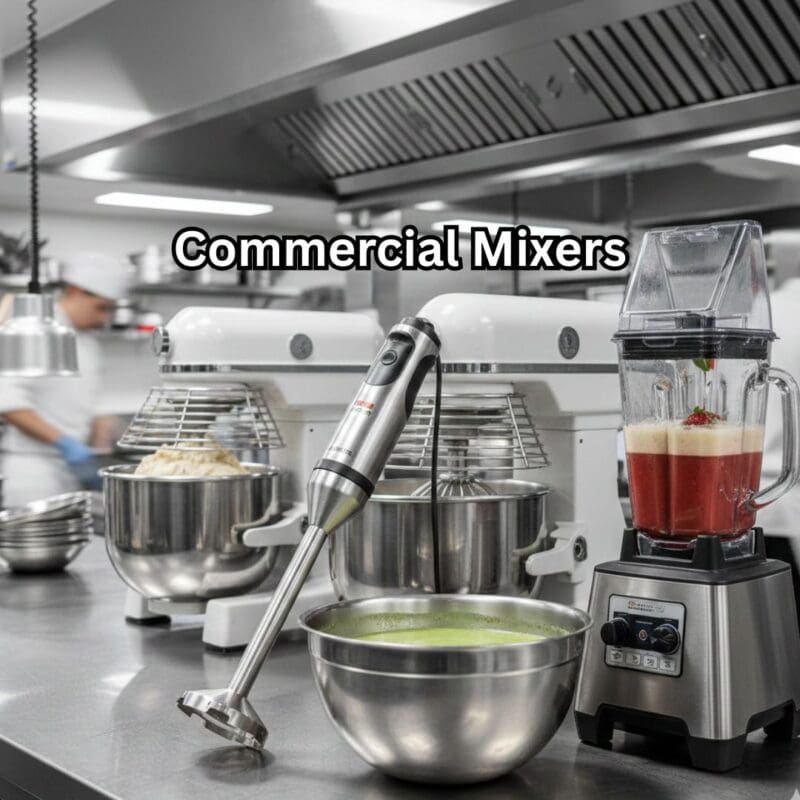
Commercial Mixers Explained: Stick Blender vs Bar Blender vs Planetary Mixer vs Spiral Mixer
Choosing the right commercial mixer is one of the most important equipment decisions for cafés, bakeries, restaurants and food production kitchens. Buy the wrong type and you risk slow prep, inconsistent results or even damaging the machine. Buy the right one and you save time, improve food quality and keep your kitchen running smoothly.
In this guide, we break down the four most common commercial mixers used in Australian hospitality kitchens — stick blenders, bar blenders, planetary mixers and spiral mixers. We’ll explain what each one does best, their pros and cons, and which type suits your business.
Table of Contents
Why Choosing the Right Commercial Mixer Matters
Commercial mixers are designed for specific tasks. Some are built for speed, others for heavy dough, and some for versatility. Understanding how each mixer works helps you:
Improve consistency in food and drinks
Reduce prep time
Extend equipment lifespan
Avoid overworking staff
Match equipment to your menu and volume
Let’s break them down one by one.
Commercial Stick Blender (Hand Blender)
What Is a Commercial Stick Blender?
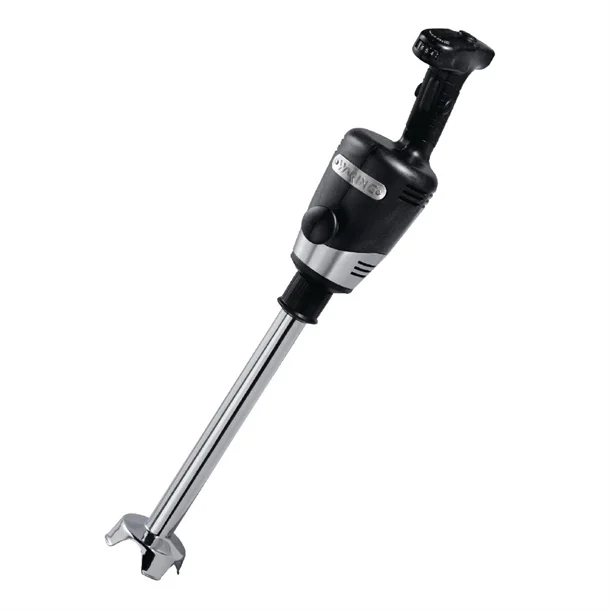
A commercial stick blender, also known as an immersion blender, is a handheld mixer designed to blend food directly in pots, containers or gastronorm pans. It’s a staple in prep kitchens.
Best Uses
Soups and broths
Sauces and gravies
Purees
Dressings and emulsions
Soft batters
Pros
Compact and easy to store
No need to transfer food between containers
Ideal for batch prep
Affordable entry-level commercial mixer
Easy to clean
Cons
Not suitable for dough
Limited batch size compared to bowl mixers
Manual operation can be tiring for long use
Best For
Cafés, restaurants, catering kitchens, soup kitchens, aged care facilities and any venue doing frequent prep work.
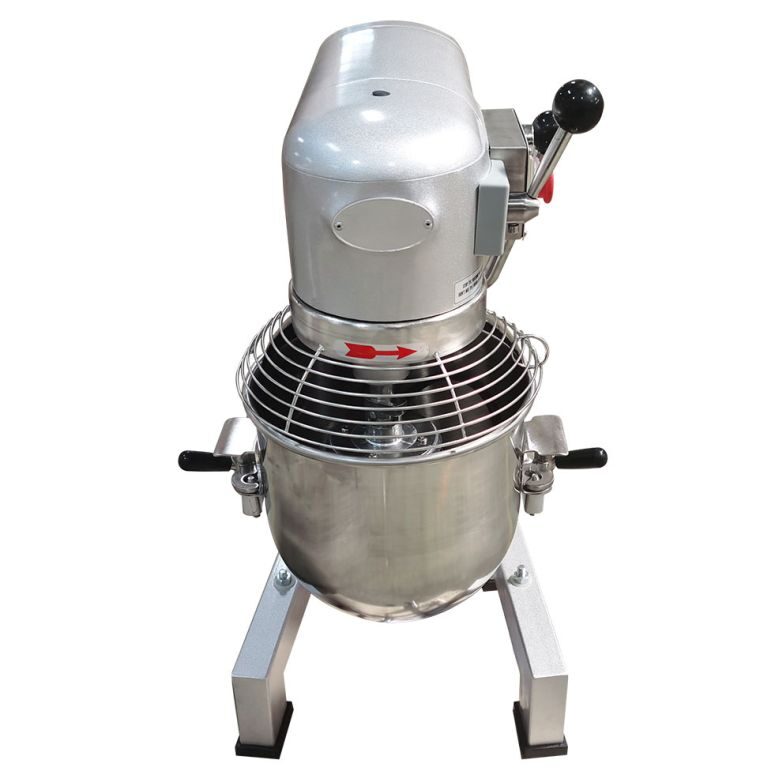
A planetary mixer gets its name from the way the attachment moves around the bowl like a planet orbiting the sun. These mixers are highly versatile and use interchangeable attachments such as whisks, paddles and dough hooks.
Best Uses
Cake and muffin batter
Cream and egg whites
Pastry dough
Cookie dough
Light bread dough
Fillings and sauces
Pros
Very versatile machine
Wide range of attachments
Available in many sizes from 10L to 120L
Suitable for most baking tasks
Good balance of power and flexibility
Cons
Not ideal for heavy pizza dough at scale
Larger models require more space
Higher upfront cost than blenders
Best For
Bakeries, cafés, restaurants, hotels, catering businesses and kitchens that need one machine for many tasks.
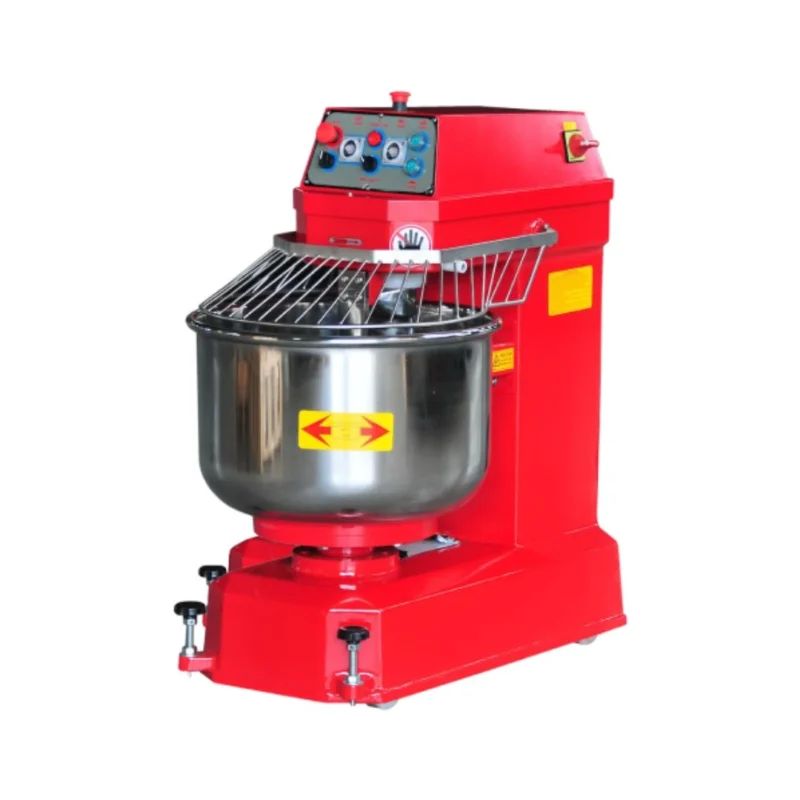
Spiral mixers are purpose-built for dough production. The bowl rotates while the spiral hook kneads the dough, producing excellent gluten development without overheating.
Best Uses
Pizza dough
Bread dough
High-hydration dough
Bulk dough production
Pros
Handles heavy dough easily
Consistent dough quality
Excellent gluten development
Designed for continuous use
Ideal for high-volume production
Cons
Not suitable for cakes, cream or sauces
Less versatile than planetary mixers
Larger footprint in the kitchen
Best For
Pizzerias, bakeries, dough-focused kitchens and food manufacturing operations.
Quick Comparison: Which Mixer Does What Best
Mixer Type
Best For
Not Ideal For
Stick Blender
Soups, sauces, purees
Dough
Bar Blender
Smoothies, drinks, ice
Baking
Planetary Mixer
Cakes, pastry, light dough
Heavy pizza dough
Spiral Mixer
Pizza and bread dough
Cream and sauces
How to Choose the Right Commercial Mixer for Your Kitchen
Before buying, ask yourself:
What do I make most often?
How much volume do I produce daily?
Do I need versatility or specialised performance?
How much bench or floor space do I have?
Is this for front-of-house or back-of-house use?
Small cafés may only need a stick blender and bar blender, while bakeries and pizzerias often require planetary or spiral mixers.
Common Mistakes Buyers Make
Buying a bar blender for baking tasks
Using planetary mixers for heavy pizza dough
Choosing a mixer that’s too small for daily volume
Ignoring power and electrical requirements
Underestimating future growth
Avoiding these mistakes saves money and frustration long-term.
Commercial Mixer FAQs
What size commercial mixer do I need?
It depends on your daily output. Small cafés may only need 10–20L planetary mixers, while bakeries and pizzerias often require 30L or larger machines.
Can a planetary mixer make pizza dough?
Yes, but only for light or small batches. For regular pizza production, a spiral mixer is a better choice.
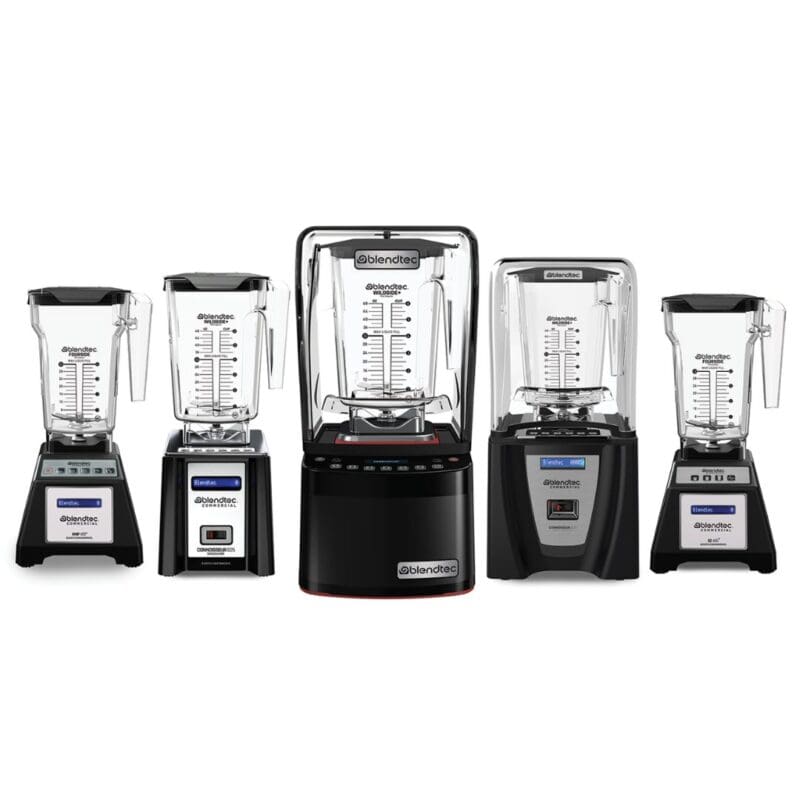
What’s better for smoothies, a bar blender or stick blender?
A bar blender is faster, more consistent and better suited for drinks.
How long do commercial mixers last?
With proper use and maintenance, quality commercial mixers can last many years.
Are commercial mixers energy efficient?
Modern mixers are designed to be efficient, especially when matched correctly to the task.
Final Thoughts: Which Commercial Mixer Should You Buy?
There’s no one-size-fits-all answer when it comes to commercial mixers. The right choice depends on your menu, volume and workflow.
Stick blenders are perfect for prep work
Bar blenders excel in drink service
Planetary mixers offer versatility for baking
Spiral mixers are unbeatable for dough production
Choosing the right mixer improves efficiency, consistency and staff productivity while protecting your investment.
If you’re unsure which commercial mixer suits your business, getting expert advice before buying can save time and money in the long run.

![Turbo air 3 Door Salad Prep Table Fridge [BUFFET], KSR18-3(FB), turbo air open top salad fridge, turbo air buffet table fridge, turbo air salad fridge for sale, open top table fridge for sale](https://bendgs.com.au/wp-content/uploads/2023/04/KSR18-3-768x768-1.jpg)