Glass Door vs Solid Door Fridge: Which Is Best for You?
Choosing between a glass door fridge and a solid door fridge is an important decision for Australian homes and businesses. Both types have their own advantages and work better in different situations. This guide compares glass door and solid door refrigerators to help you make the right choice.
Table of Contents
What's the Difference Between Glass Door and Solid Door Fridges?
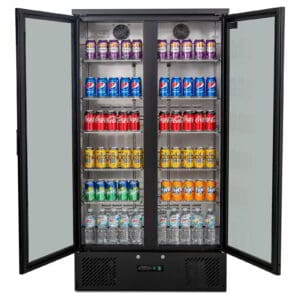
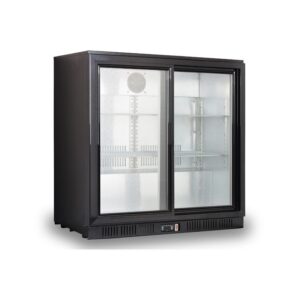
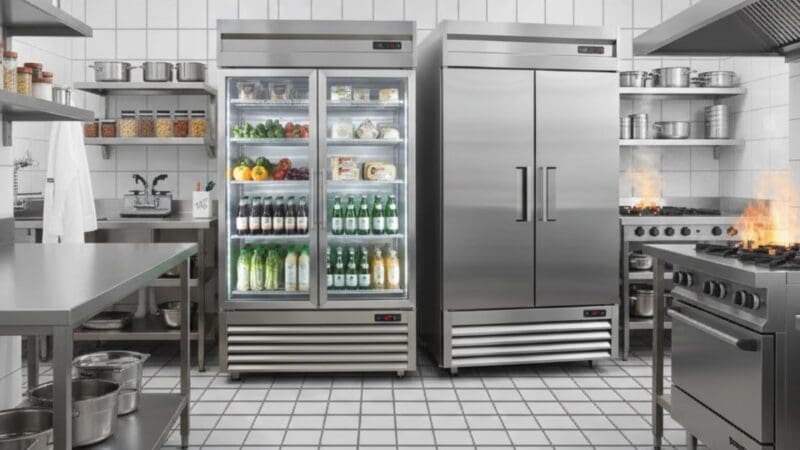
Glass door fridges have transparent glass panels that let you see inside without opening the door. They’re popular in cafés, bottle shops, and modern Australian homes.
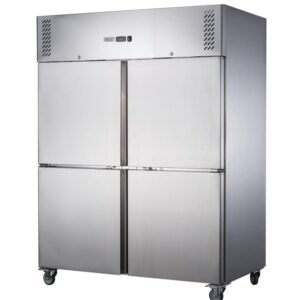
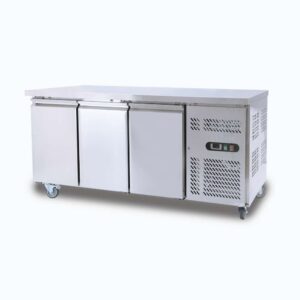
Solid door fridges have sealed metal or stainless steel doors. You can’t see inside without opening them. These are the traditional style found in most commercial kitchens across Australia.
Glass Door Fridge vs Solid Door Fridge: Quick Comparison
Here’s a simple breakdown of how these two types compare:
Glass Door Fridges:
- You can see what’s inside without opening the door
- Modern, stylish appearance
- Great for displaying drinks and chilled products
- Need regular cleaning to keep glass clear
- Can be less efficient without double-glazing
- Cost more than basic solid door models
- LED lighting creates an attractive display
Solid Door Fridges:
- Better insulation keeps temperature stable
- More energy efficient overall
- Contents stay private
- Less maintenance required
- Usually cheaper to buy
- Quieter operation in many models
- Must open door to see contents
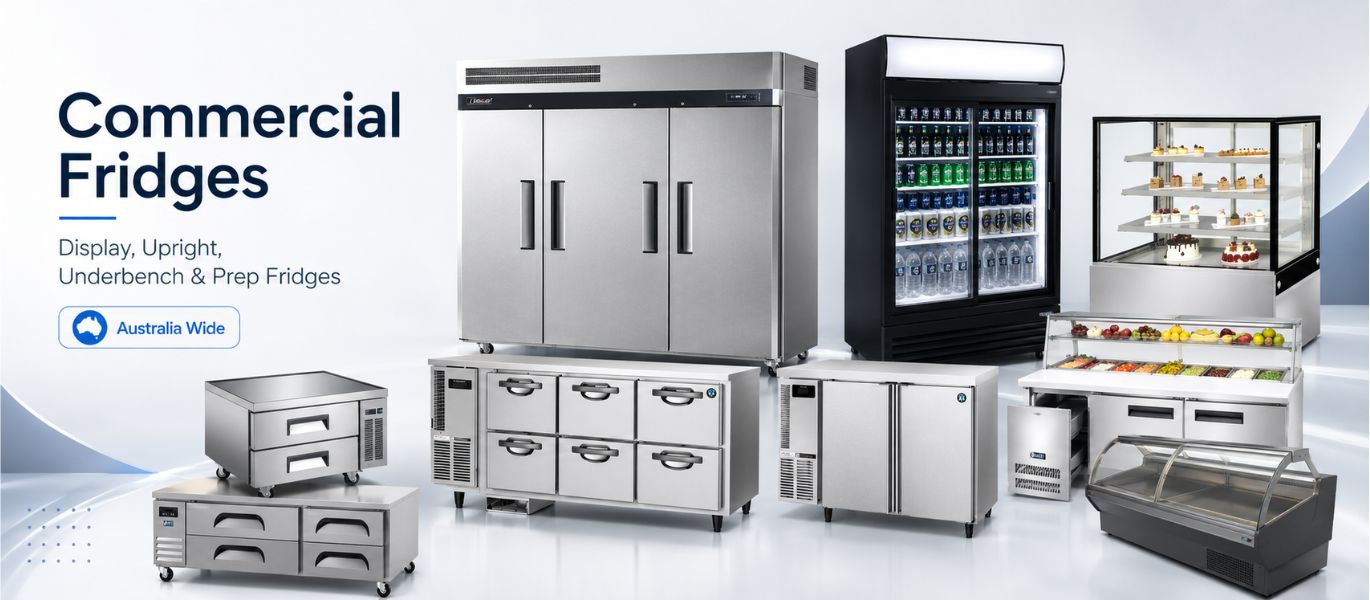
Energy Efficiency: Glass Door vs Solid Door Fridge
Solid door fridges typically offer better insulation, helping maintain stable internal temperatures. This makes them more energy efficient in most situations.
However, the energy difference isn’t always simple. Here’s what affects efficiency:
Why solid door fridges are usually more efficient:
- Thicker insulation in the door
- No heat transfer through glass
- Better temperature retention
- Less strain on the compressor
- Lower running costs over time
When glass door fridges can be efficient:
- Modern models with double-glazed or triple-glazed glass
- When you reduce door openings by seeing inside first
- High-quality models with low-E glass coating
- Energy Star certified units that meet efficiency standards
For Australian conditions: In hot climates like Queensland, Northern Territory, and Western Australia, solid door fridges generally perform better. The extra insulation helps keep contents cold when outdoor temperatures soar. If you choose a glass door fridge in hot areas, make sure it has double-glazed glass and keep it away from direct sunlight.
Product Visibility: See Inside vs Private Storage
The biggest difference between these fridge types is visibility.
Glass door fridge visibility benefits:
- Check stock levels without opening the door
- Find items quickly and easily
- Reduce time spent searching with door open
- Perfect for displaying drinks, beverages, and food products
- Great for businesses wanting to showcase products
- Helps keep fridge organised (you can see mess)
Solid door fridge privacy benefits:
- Contents stay hidden from view
- Better for storing mixed or messy items
- More private for home use
- Cleaner look even when fridge is disorganised
- No need to keep fridge perfectly tidy
For restaurants and cafés wanting to display culinary creations, glass doors create an inviting visual display. For home kitchens and back-of-house storage where privacy matters, solid doors make more sense.
Cost: Glass Door Fridge Price vs Solid Door Fridge Price
Initial purchase cost:
- Solid door fridges are usually cheaper upfront
- Glass door fridges cost more due to glass technology and aesthetics
- The price gap narrows with premium models
Running costs:
- Solid door models often have better insulation, which can reduce energy costs over time
- Glass door fridges with poor insulation work harder and cost more to run
- Quality glass door models with double-glazing can match solid door efficiency
Maintenance costs:
- Glass doors need regular cleaning to stay clear
- Solid doors are easier to maintain
- Both types need seal replacements eventually
Best value for Australian buyers: If you’re on a budget and energy efficiency is important, solid door fridges offer better value. If product visibility will save you time or increase sales, a quality glass door fridge is worth the extra cost.
Temperature Control: Which Type Keeps Food Fresher?
Solid door refrigerators prioritise temperature consistency, ensuring stored items remain at the desired temperature. This makes them better for storing temperature-sensitive items.
Solid door temperature advantages:
- More stable internal temperature
- Less affected by opening and closing
- Better for storing meat, dairy, and fresh produce
- Superior for Australian commercial kitchens
- Protects light-sensitive items
Glass door temperature considerations:
- Can have temperature fluctuations without quality insulation
- Direct sunlight can affect cooling in Australian heat
- Modern double-glazed models maintain good temperatures
- Work well when doors aren’t opened frequently
For food safety: Solid door fridges are better for storing raw meat, seafood, dairy, and other items needing consistent cold temperatures. Glass door fridges work well for drinks, packaged foods, and items that don’t need strict temperature control.
Best Uses: When to Choose Glass Door or Solid Door
Choose a glass door fridge for:
- Cafés, restaurants, and hospitality businesses
- Bottle shops and convenience stores
- Displaying beverages, drinks, and grab-and-go items
- Home entertainment areas, garages, or pool rooms
- Self-serve areas where customers help themselves
- Modern Australian homes wanting a stylish look
- Businesses wanting to increase impulse purchases
Choose a solid door fridge for:
- Home kitchens as your main fridge
- Commercial kitchen back-of-house storage
- Storing raw ingredients, meat, and dairy
- Budget-conscious Australian buyers
- Areas where privacy matters
- Hot Australian climates needing maximum efficiency
- Quiet environments (solid doors often run quieter)
Using both types together: Many businesses benefit from combining glass door refrigerators for customer-facing areas with solid door units for back-of-house storage. This gives you the best of both options.
Maintenance: Glass Door Fridge Care vs Solid Door Fridge Care
Glass door fridge maintenance:
- Clean glass regularly to remove fingerprints and smudges
- Wipe interior visible through glass
- Keep organised to look good
- Check door seals for condensation
- More frequent cleaning needed
- LED lights may need occasional replacement
Solid door fridge maintenance:
- Easier to clean and maintain, as solid doors are less prone to showing fingerprints or smudges
- Simple wipe-down of exterior
- Interior mess stays hidden
- Standard seal checks
- Less frequent cleaning required
- Lower maintenance overall
For busy Australian cafés and restaurants, the extra cleaning time for glass doors needs to be factored in. For homes, solid doors require less work.
Noise Levels: Which Type Is Quieter?
Solid door fridges are typically quieter due to better insulation. The extra insulation in solid doors also helps reduce compressor noise.
Quieter operation matters for:
- Home bedrooms or living areas
- Small offices in Australia
- Open-plan homes where noise travels
- Staff rooms and break areas
- Quiet commercial environments
If noise is a concern, solid door fridges are the better choice for Australian homes and businesses.
Durability: Which Type Lasts Longer?
Both types can last many years with proper care.
Solid door durability:
- Fewer parts to break (no glass panels)
- Simpler construction
- Less vulnerable to damage
- Heavy-duty for commercial use
Glass door durability:
- Glass can crack or break if hit
- More complex construction
- LED lighting systems may need repairs
- Quality models are very durable
For Australian commercial kitchens with heavy daily use, solid door fridges often prove more durable long-term.
Environmental Impact: Which Is Greener?
Solid door environmental benefits:
- Better insulation reduces energy consumption
- Lower carbon footprint from less electricity use
- Simpler construction means easier recycling
Glass door environmental benefits:
- Reduces door openings, saving energy when used properly
- Modern R-290 refrigerant is environmentally friendly
- LED lighting uses less power than old fluorescent lights
Many Australian glass door display fridges now run on R-290 gas, which is natural and ozone-friendly. For the greenest option, choose a high energy star rated model of either type with environmentally-friendly refrigerant.
Size and Capacity Options
Both glass door and solid door fridges come in various sizes for Australian buyers:
Glass door fridge sizes:
- Single door (100L – 400L) – perfect for home bars
- Double door (400L – 800L) – great for cafés
- Triple door (800L+) – ideal for bottle shops
- Under-bench models – space-saving for small venues
Solid door fridge sizes:
- Bar fridges (50L – 150L)
- Standard fridges (200L – 500L)
- Large commercial fridges (500L – 1500L+)
- Walk-in coolrooms for big operations
Choose your size based on your storage needs and available space.
Glass Door vs Solid Door Fridge: Making Your Decision
Consider these questions to choose the right fridge type:
Ask yourself:
- Do I need to see inside without opening the door?
- Is energy efficiency my top priority?
- Will the fridge be in a hot Australian climate?
- Am I displaying products to customers?
- Does privacy matter for this fridge?
- What’s my budget for purchase and running costs?
- Can I commit to regular glass cleaning?
- Is the fridge for home or commercial use?
For Australian businesses:
- Glass door fridges work best for retail, hospitality, and customer-facing areas
- Solid door fridges are better for commercial kitchen storage and preparation areas
- Consider using both types for different purposes
For Australian homes:
- Glass door fridges suit entertainment areas, garages, and home bars
- Solid door fridges work better as main kitchen refrigerators
- Choose based on your lifestyle and aesthetic preferences
Top Tips for Australian Buyers
When buying a glass door fridge:
- Choose double-glazed or triple-glazed glass models
- Look for high energy star ratings
- Keep away from direct Australian sunlight
- Check warranty coverage on glass panels
- Consider LED lighting quality
- Read reviews from other Australian users
When buying a solid door fridge:
- Compare energy ratings between models
- Check insulation quality
- Look for adjustable shelves
- Consider noise levels if important
- Verify door seal quality
- Choose reputable Australian brands
To Sum Up
Both glass door and solid door fridges have their place in Australian homes and businesses. The best choice depends on how you’ll use the fridge, where it will be located, and what features matter most to you.
For expert advice on refrigeration solutions suited to Australian conditions, consider speaking with commercial refrigeration specialists who understand local climate challenges and energy requirements.
Looking for quality refrigeration solutions for your Australian home or business? Visit bendgs.com.au to explore our range of glass door and solid door upright fridges suitable for all applications across Australia.