
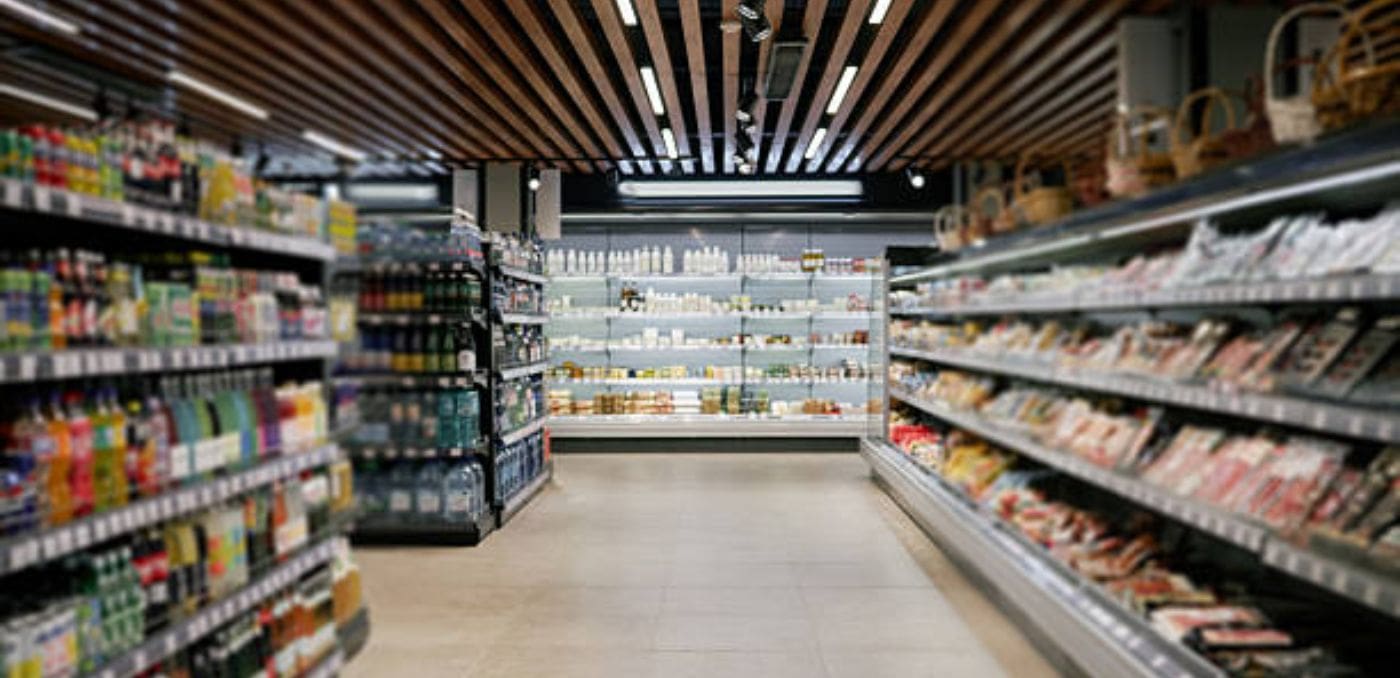
The Ultimate Guide to Supermarket Refrigeration in Australia
Choosing refrigeration for a retail environment in Australia is one of the highest-stakes investments a business owner will make. Unlike a standard reach-in fridge for a cafe, supermarket units operate 24/7, face constant door openings, and must survive the volatile Australian climate.
At Bens Hospitality Equipment, we believe in a “no-nonsense” approach. This guide breaks down the technical, financial, and regulatory hurdles you need to clear to ensure your equipment is an asset, not a liability.
Navigating the Australian Regulatory Landscape
GEMS Act and MEPS Energy Standards
In Australia, commercial refrigeration must comply with the Greenhouse and Energy Minimum Standards (GEMS) Act 2012. This federal regulation requires refrigerated display cabinets to meet Minimum Energy Performance Standards (MEPS).
These standards exist to reduce energy consumption across the country and improve efficiency in commercial refrigeration.
Why this matters for your business
Some low-priced imported refrigeration units sold through unofficial channels may not meet GEMS requirements. While the initial purchase price might appear attractive, non-compliant equipment often consumes significantly more electricity and may expose businesses to regulatory issues.
Energy-efficient cabinets typically use ECM fan motors (Electronically Commutated Motors), which can reduce energy usage by up to 70% compared with older shaded-pole motors.
Over the lifespan of a supermarket fridge, that difference can translate into thousands of dollars in electricity savings.
FSANZ Food Safety Temperature Standards
Food safety regulations in Australia are governed by Food Standards Australia New Zealand (FSANZ). Under Standard 3.2.2, potentially hazardous food must be stored at 5°C or colder.
However, many supermarket products require tighter temperature control.
M1 refrigeration standard
Maintains product between -1°C and +5°C.
This is the preferred range for fresh meat, poultry, and seafood.
M2 refrigeration standard
Maintains product between -1°C and +7°C.
Suitable for dairy products, beverages, packaged foods, and produce.
Choosing the correct temperature classification helps ensure both food safety compliance and product quality.
Why Climate Rating Matters in Australia
One of the biggest mistakes retailers make is choosing refrigeration designed for European conditions.
Many imported cabinets are rated for Climate Class 3, which assumes an environment of 25°C with 60% humidity. This might work in an air-conditioned European supermarket, but Australian shops regularly experience far higher temperatures.
When ambient conditions exceed the design limit, refrigeration units struggle to maintain temperature. This is often referred to as “failure to pull down.”
Commercial Refrigeration Climate Classes
| Climate Class | Ambient Temperature | Humidity | Typical Use |
|---|---|---|---|
| Class 3 | 25°C | 60% | Air-conditioned environments |
| Class 4 | 30°C | 55% | Standard Australian retail stores |
| Class 5 | 40°C | 40% | Hot climates and high-load kitchens |
For Australian supermarkets, Class 4 should be considered the minimum requirement. It provides a buffer that helps protect compressors and maintain stable temperatures during hot summer days.
Choosing the Right Supermarket Refrigeration Cabinet
Open Multideck Chillers
Open multideck cabinets are commonly used for dairy, drinks, ready meals, and fresh produce. These cabinets allow customers to quickly grab items without opening a door.
They rely on a continuous air curtain that separates the cold air inside the cabinet from the warmer store environment.
Advantages
- Excellent product visibility
- Encourages impulse purchases
- Easy access for customers
Considerations
Because they are open, multidecks generally consume more electricity than closed cabinets.
Important feature: Night blinds
Night blinds should always be used after closing hours. Pulling down the blinds can reduce overnight energy consumption by 20–30%.
Glass Door Refrigeration
More supermarkets are switching to glass door refrigeration to improve energy efficiency while maintaining product visibility.
Modern glass door fridges and freezers include several features that improve performance.
- Triple-glazed glass: Helps prevent condensation and maintains freezer temperature stability.
- Low-E glass coatings: Reflect external heat while keeping cold air inside the cabinet.
- Heated door frames: Prevents ice build-up that can cause doors to stick in freezer environments.
These features help reduce both energy consumption and maintenance issues.
Serve-Over Display Counters
Serve-over display fridges are essential for butchers, deli counters, and seafood displays.
Unlike standard fan-forced refrigeration, these units typically use static cooling or low-velocity ventilation.
High airflow from strong fans can dry out exposed products such as meat and cheese. This leads to discolouration, weight loss, and reduced product quality.
Properly designed display counters maintain product temperature while preserving moisture and presentation.
Integral vs Remote Refrigeration Systems
One of the biggest decisions when planning a supermarket refrigeration layout is choosing between plug-in cabinets or remote refrigeration systems.
Integral (Plug-In) Refrigeration
Plug-in cabinets have a built-in condenser and compressor.
Best suited for
• Smaller supermarkets
• Convenience stores
• Rental premises
• Quick installations
Advantages
• Lower installation cost
• Simple plug-and-play setup
• Easy to relocate during renovations
Limitations
Plug-in refrigeration releases heat directly into the shop floor, increasing the load on the air-conditioning system.
Remote Refrigeration Systems
Remote systems move the condenser and compressor outside the store.
Best suited for
• Medium to large supermarkets
• High-volume retail stores
• Long-term store fit-outs
Advantages
• Quiet operation inside the store
• Heat removed from the sales area
• Longer compressor lifespan
Considerations
Installation costs are higher because refrigeration piping must be installed by licensed technicians.
The Shift Toward Eco-Friendly Refrigerants
Environmental regulations are pushing the industry away from traditional HFC refrigerants such as R404A, which have high global warming potential.
Two modern refrigerants are becoming the standard.
R290 (Propane)
Common in smaller plug-in cabinets. Highly efficient with very low environmental impact.
CO₂ (R744)
Increasingly used in large supermarket refrigeration systems. It offers strong performance and is considered future-proof as environmental regulations continue to tighten.
Maintenance Tips to Protect Your Refrigeration Investment
Even the best commercial refrigeration system requires regular maintenance. Many expensive service calls can be prevented with simple routine checks.
- Clean condenser coils regularly: Dust build-up restricts airflow and forces compressors to work harder. Monthly cleaning can prevent a large percentage of refrigeration failures.
- Inspect door seals: Damaged gaskets allow cold air to escape. If a note can easily slide through the closed door seal, it may be time to replace the gasket.
- Avoid blocking airflow vents: Refrigeration cabinets rely on proper airflow circulation. Blocking return air vents can cause evaporators to freeze and stop cooling.
Regular maintenance keeps refrigeration systems running efficiently and extends equipment lifespan.
To Sum Up
Supermarket refrigeration is not just about the upfront purchase price. It is about reliability, energy efficiency, and long-term operating cost.
A unit that saves only $2 per day in electricity can save more than $7,000 over a ten-year lifespan.
Choosing the right equipment from the beginning helps prevent breakdowns, protect stock, and keep your store running smoothly.
If you are planning a new supermarket fit-out or upgrading existing refrigeration, explore commercial fridge and freezer ranges at bendgs.com.au or speak with our team on 1300 434 125 for expert advice.


