

The Complete Guide to Prep Fridges & Meal Prep Safety in Australian Commercial Kitchens
Running a busy café, pizzeria or takeaway shop in Australia isn’t just about cooking great food. It’s about speed, workflow, compliance and keeping everything cold. That’s where a proper prep fridge setup makes all the difference.
What Is a Prep Fridge?
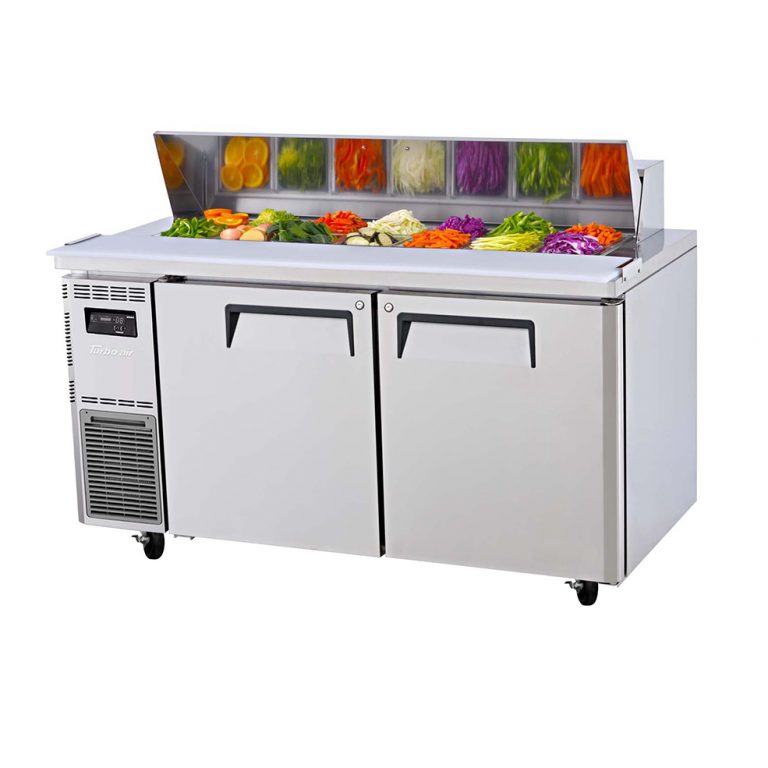
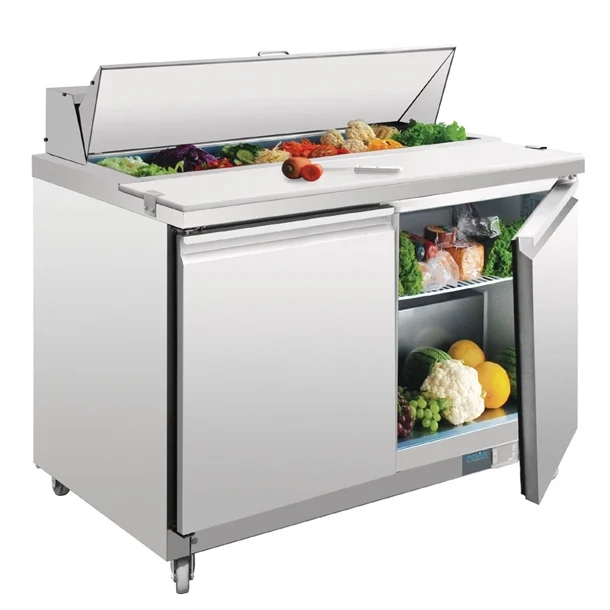
A prep fridge (also called a prep table fridge) is a commercial refrigerator built for food preparation and cold storage in one compact unit.
Instead of walking back and forth between a cool room and a workbench, everything you need sits right in front of you.
Most commercial prep fridges include:
Stainless steel benchtop
Built-in GN pan section for toppings and ingredients
Refrigerated storage underneath
Digital temperature control
Heavy-duty construction designed for 30–43°C Australian kitchens
Common Types of Prep Fridges
Different venues need different setups:
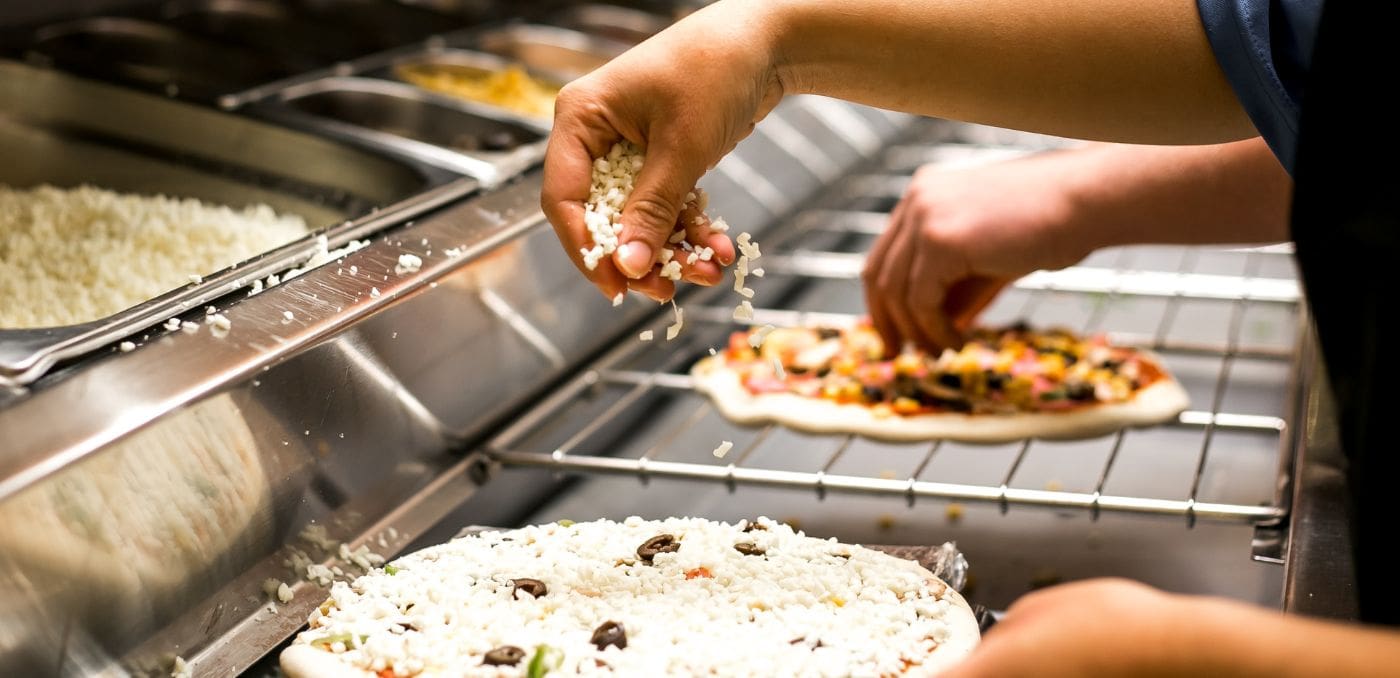
Pizza prep fridge – Designed for high-speed pizza service with ingredient pans along the top
Salad prep fridge – Ideal for cafés and sandwich bars
Countertop prep fridge – Compact and efficient for takeaway shops
Marble top prep fridge – Popular in pizzerias for dough handling
If you’re running a pizzeria, café, burger shop or kebab store, a prep fridge isn’t a luxury, it’s workflow insurance.


How Long Do Prep Meals Last in the Fridge?
Food safety isn’t optional in Australia. Councils and auditors expect strict temperature control and clear rotation systems.
Here’s a practical guide for commercial kitchens storing food at 0–4°C:
Cooked meals: 3–5 days
Raw meats: 1–3 days
Prepared salads (no dressing): 2–4 days
Rice and pasta: 3–4 days
Once you move beyond five days, risk increases, especially in high-volume environments where doors are constantly opening.
If your prep fridge struggles to hold temperature during peak service, shelf life shortens even further.
Read what other people say about this in a community
– Why Temperature Stability Matters
Holding food at 0–4°C is not just about the thermostat setting. It’s about acthe tual product temperature.
In real commercial kitchens,
Doors open every few minutes during peak service
Warm pans get placed straight into the unit
GN lids get removed repeatedly
Stock gets overpacked, blocking airflow
Ambient kitchen temperatures hit 35–43°C in summer
If your prep fridge struggles to recover quickly after each door opening, internal temperatures can creep into the danger zone (5°C–60°C), even if only temporarily.
That short temperature rise:
Accelerates bacterial growth
Reduces shelf life
Increases spoilage risk
Fails compliance checks
A unit that runs at 6–8°C during service instead of 2–4°C can cut safe storage time significantly.
– Common Causes of Shelf-Life Reduction
Inadequate airflow (overloaded shelves or blocked vents)
Weak compressors not rated for high ambient Australian conditions
Poor door seals allowing warm air infiltration
Lack of fan-forced cooling in high-turnover kitchens
No temperature logging or monitoring
In commercial settings, even small temperature fluctuations compound over several days.
– How to Protect Shelf Life
Choose a reliable prep fridge rated for high ambient conditions (38–43°C)
Ensure fan-forced cooling for even temperature distribution
Avoid overfilling
Pre-chill hot foods before loading
Monitor with independent probe thermometers
Keep doors closed during prep wherever possible
If your prep fridge maintains a steady 0–4°C, even during peak service, you protect both shelf life and compliance.
Is Meal Prep Safe in a Commercial Kitchen?
Yes, when done properly.
Safe meal prep comes down to process and equipment.
Follow These Core Rules:
Keep storage below 5°C (ideal range: 0–4°C)
Cool cooked food within 2 hours
Store in sealed food-grade containers
Clearly label prep dates
Use FIFO (First In, First Out)
In states like NSW and VIC, food safety programs require temperature logs. A quality commercial prep fridge with stable cooling helps you stay compliant and stress-free during inspections.
Is Meal Prep Good After 6–7 Days?
In hospitality settings, it’s generally not recommended.
5 days is typically the safe maximum
6–7 days increases bacterial growth risk
Texture, smell and colour changes are warning signs
In commercial kitchens, “saving stock” can cost more than discarding it. One food safety issue can shut you down fast, or at least your store would be on the “Name and shame list”
When in doubt, throw it out. How simple is that!
What Is the 2-2-2 Rule for Food?
In commercial kitchens, you might hear chefs talk about the “2-2-2 rule.” It’s a simple way to remember safe handling time — but it must line up with Australia’s official 2-hour / 4-hour food safety rule.
Here’s how it works in practice:
– 2 Hours at Room Temperature
If potentially hazardous food sits between 5°C and 60°C (the danger zone) for less than 2 hours total, it can safely go back into the fridge.
Important: That 2 hours is cumulative — it includes prep time, transport, display and service combined.
– 2–4 Hours Total Out of Refrigeration
If food has been in the danger zone for between 2 and 4 hours, it can still be used or sold —
but it must not go back into refrigeration.
– Over 4 Hours
If food has been between 5°C and 60°C for more than 4 hours total, it must be thrown away.
No exceptions.
What About “2 Days in the Fridge”?
The idea of “2 days in the fridge” is more of a home-kitchen reminder. In commercial environments, storage time depends on:
Food type (meat, rice, dairy, salads)
Storage temperature (ideally 0–4°C)
Proper labelling and FIFO rotation
Your food safety program
Many cooked foods last 3–5 days at 0–4°C, but always follow your council requirements and documented procedures.
What Is a Prep Kitchen?

A prep kitchen is a dedicated space used for ingredient preparation separate from the main cooking line.
It’s where the real efficiency happens.
Typical prep kitchen activities:
Bulk vegetable chopping
Portioning meats
Sauce preparation
Dough handling
Cold food assembly
In modern commercial setups, prep fridges sit at the centre of this space. They reduce movement, speed up service and keep ingredients at safe holding temperatures.
For high-volume venues, combining prep fridge storage with stainless steel benches and clear labelling systems creates a streamlined workflow that saves labour hours every single day.
Why a Quality Prep Fridge Matters in Australia
Australian kitchens run hotter than many other parts of the world. Ambient temperatures can hit 35–43°C, especially in takeaway shops with limited ventilation.
A proper commercial prep fridge should:
Handle high ambient conditions
Recover temperature quickly after door openings
Use efficient refrigerants like R290
Maintain consistent 0–4°C cooling
Withstand heavy daily use
Choosing domestic refrigeration for commercial prep work is one of the biggest mistakes new operators make.


