How to Choose the Right Commercial Blender for Your Business (2025 Guide)
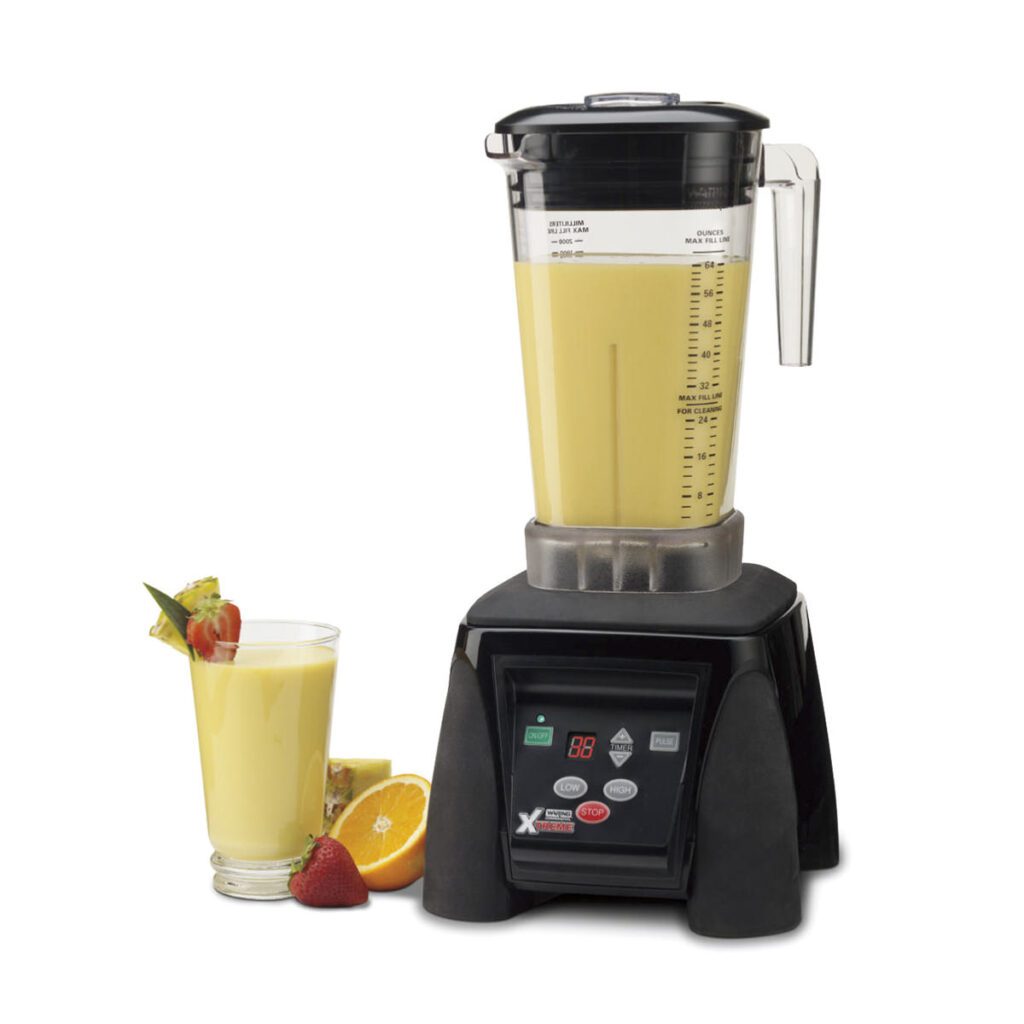
If your café, restaurant, juice bar or food truck relies on blending – choosing the right commercial blender is not just a matter of convenience, it’s a key part of running a smooth, efficient kitchen. With so many options out there, it’s easy to get lost in specs, jargon, and brand names. But don’t stress — we’ve put together this simple 2025 guide to help you pick the best blender for your needs.
Why Choosing the Right Blender Matters
In a fast-paced commercial kitchen, every second counts — and the right blender can make a big difference. A high-quality commercial blender isn’t just a tool, it’s a workhorse that helps your team move faster, keep your food consistent, and reduce daily frustrations. Whether you’re churning out smoothie after smoothie in a Gold Coast café, blending soup in a Melbourne restaurant, or crushing ice for cocktails in a Sydney bar, the right blender streamlines the workflow and boosts customer satisfaction.
Commercial-grade blenders are built for reliability and endurance. Unlike domestic blenders, which are designed for occasional use at home, a commercial unit is made to handle multiple back-to-back blends, high volumes, and longer run times without overheating or tripping power. Many Aussie venues operate during peak hours — breakfast, lunch, dinner rush — where blending efficiency is vital. A unit that stalls, jams, or burns out mid-service isn’t just annoying — it can slow down orders, affect your product quality, and frustrate both staff and customers.
Another big factor is consistency. If you’re serving the same smoothie or sauce 50 times a day, you want it to come out exactly the same every time. A quality commercial blender gives you smoother textures, better ingredient control, and more precise results. That’s especially important in venues where presentation and flavour consistency matter — from gourmet cafés in Brisbane to high-volume catering kitchens in Perth.
Let’s not forget noise levels either. In many Aussie cafés or juice bars, your blender is front and centre — right where your customers are ordering. A commercial blender with a sound enclosure helps you maintain a relaxed atmosphere without compromising on speed or power.
Investing in the right commercial blender doesn’t just protect your workflow — it saves money over time. Cheaper domestic models often wear out quickly in commercial use, leading to frequent replacements and unexpected downtime. A well-chosen blender, on the other hand, can last for years with proper care, delivering real value for your investment.
So if you’re in the business of blending — whether it’s smoothies in a Byron Bay café, acai bowls in a Bondi juice bar, or sauces in a Darwin restaurant — make sure you’re choosing a unit that’s up to the task.
What to Look for in a Commercial Blender
Here are the key things to consider before buying:
1. Power & Speed
Power is one of the most important features when choosing a commercial blender. If you’re blending dense or frozen ingredients like ice, frozen berries, root vegetables, or nut butters, you’ll want a unit with at least 1000W of motor power. For high-volume service or tougher blends, go for a blender rated at 1500W or higher. These blenders typically offer high RPM (revolutions per minute) — often 20,000 RPM and up — which means they can blend smoother and faster. Many high-end commercial blenders also include variable speed controls or pre-set programs, helping your team maintain consistent results with minimal effort, especially during peak hours. If you’re running a juice bar or café that blends all day, investing in a powerful motor will pay off in performance and longevity.
2. Capacity
Jug capacity should match how much you’re blending and how often. Smaller jugs, typically between 1.5L and 2L, are great for single-serve smoothies or small cafés that don’t need to prep in bulk. They’re also ideal for tight spaces like food trucks or coffee carts. Larger jugs — anywhere from 2.5L to 4L or more — are designed for busy kitchens that prepare sauces, soups, or smoothies in batches. Using the right jug size keeps your workflow efficient: too small and you’ll waste time doing multiple blends; too big and you might waste ingredients. It’s all about balancing speed, space, and service volume.
3. Noise Level
Noise might not seem like a big deal at first — until your blender starts roaring mid-service and drowns out conversations. In open kitchens, cafés, or juice bars where the blender is front-of-house, a low-noise or quiet blender is a game changer. Many commercial models now come with sound enclosures or noise-reducing hoods that can cut sound by up to 50%. Some also feature anti-vibration bases or rubber feet to prevent shaking and reduce bench noise. If customer experience is important to your business (and it always is), going for a quiet model will make a noticeable difference.
4. Cleaning & Maintenance
Commercial blenders need to be cleaned often — sometimes after every single use. That’s why it’s important to choose a unit that’s quick and easy to clean. Look for models with dishwasher-safe jugs and lids, as well as removable blade systems for easier rinsing and deep cleans. Blenders with sealed buttons or flat-touch control panels are easier to wipe down than those with dials or knobs, which can trap food and liquid. Some premium models even come with auto-cleaning functions: just add water and detergent, press a button, and you’re good to go. The easier your blender is to clean, the faster your staff can reset and move on.
5. Durability & Build Quality
In a busy kitchen, your food/beverage prep equipment needs to be tough. A good commercial blender should feature a stainless steel motor base for strength and durability, plus a shatter-resistant BPA-free jug, often made from polycarbonate or Tritan. These materials can handle heat, cold, and impact much better than cheaper plastics. Look out for metal gear couplings too — these are far more durable than plastic gears and can handle more frequent use. A commercial-grade warranty is also essential; don’t rely on models made for home use if you’re running a business. Finally, features like overload protection and thermal safety cut-offs help protect the motor from burnout, extending the life of the unit and reducing the risk of downtime during service.
What Type of Commercial Blender Is Right for Your Business?
Every food and beverage setup is different, and the right blender can vary based on your kitchen size, menu offering, and service speed. Whether you’re running a trendy café in Sydney, a food truck on the Gold Coast, or a catering kitchen in Adelaide, here’s what to look for based on your venue type:
Cafés & Juice Bars
If your business relies on smoothies, juices, frappés or blended bowls, you need a high-speed commercial smoothie blender that’s built for speed and efficiency. Look for models with powerful motors (1000W–2000W) and multiple speed settings or presets, so staff can blitz frozen fruit or ice with consistent results.
Since blenders in cafés are often front-of-house, noise control is also key. Choose a quiet blender with a sound enclosure to maintain a peaceful customer environment — especially important during morning coffee rushes.
Also, prioritise units with easy-to-remove jugs and quick-swap blade bases. When your team is knocking out dozens of smoothies an hour, the ability to swap, clean and reload quickly can keep the line moving.
Restaurants & Catering Kitchens
For restaurants, pubs and catering businesses, a blender needs to handle heavier kitchen prep like soups, sauces, purees, dressings and marinades. These applications require high torque motors that can run longer without overheating, so thermal protection and overload safety features are must-haves.
Look for larger capacity jugs (2L–4L+) to allow for bulk prep — this helps you save time during busy lunch or dinner service. Stainless steel jugs may also be preferred in high-heat or high-volume kitchens for hygiene and durability.
Some restaurants also benefit from programmable blending cycles, so chefs can “set and forget” without over-processing food.
Bars & Clubs
Behind the bar, speed is everything. From cocktails to frozen daiquiris and icy mixers, you’ll want a blender that can crush ice fast, create silky-smooth textures, and survive sticky, spill-prone bar environments.
Look for ice-rated blades, pulse functions, and non-slip bases to keep the unit secure while mixing drinks during peak hours. Compact footprint models also help save bar bench space.
A commercial-grade blender that can handle repeated use with minimal downtime will keep your bartenders working fast and your customers sipping sooner.
Food Trucks & Mobile Catering
When space is tight and power is limited, you’ll need a blender that’s compact, lightweight, and power-efficient. Many food trucks run on limited electricity or generator setups, so look for models that offer lower wattage (under 1500W) but still pack a punch.
Also consider blenders with smaller jugs (1.5L–2L) and simple control panels, which are easier to clean and maintain in a mobile kitchen. A durable build with minimal moving parts is also ideal — less risk of damage while bumping around on the road.
Versatility is key in food trucks — whether you’re blending smoothies, sauces, marinades or even frozen desserts, your equipment needs to do more with less.
Need help choosing?
Contact our team for expert advice — we’ve fitted out kitchens across Australia.
Best Commercial Blender for Restaurant
Choosing the best commercial blender for restaurant use depends on volume, menu complexity, and speed requirements. In busy restaurant kitchens, blenders are often used for:
Soups and purees
Sauces and emulsions
Dressings
Batters
Dessert bases
Restaurants typically require:
1. High Motor Power
Look for 1200W+ motors capable of handling dense ingredients and large batches.
2. Durable Construction
Heavy-duty stainless steel blades and commercial-grade housings are essential for daily, high-volume operation.
3. Large Capacity Jugs
2L–2.5L containers are ideal for bulk preparation during prep service.
4. Noise Control
Open kitchens benefit from quieter models with sound enclosures.
The best commercial blender for restaurant kitchens should handle continuous use without overheating and offer reliable spare parts availability.
Best Industrial Blender for Coffee Shop
When selecting the best commercial blender for coffee shop environments, the priorities shift slightly. Speed, consistency, and customer-facing noise levels become critical.
Coffee shops commonly use blenders for:
Smoothies
Frappes
Iced drinks
Protein shakes
Frozen cocktails (if licensed)
Key features to prioritise:
1. High-Speed Blending
Fast cycle times reduce queues during peak hours.
2. Pre-Programmed Settings
One-touch programs improve consistency between staff members.
3. Sound Enclosures
A quiet blender improves customer experience in small café spaces.
4. Compact Design
Counter space is often limited in coffee shops.
The best commercial blender for coffee shop use combines speed, durability, and low noise output.
Restaurant vs Coffee Shop: What’s the Difference?
| Feature | Restaurant | Coffee Shop |
|---|---|---|
| Batch Size | Large prep batches | Individual drink servings |
| Speed | Important | Critical during rush hours |
| Noise | Moderate concern | High concern |
| Program Settings | Useful | Highly valuable |
| Continuous Use | Prep-focused | Service-focused |
Trusted Industrial Blender Brands
Bens Hospitality Equipment stocks a handpicked range of quality commercial blenders from brands known for performance and reliability. Popular options include:
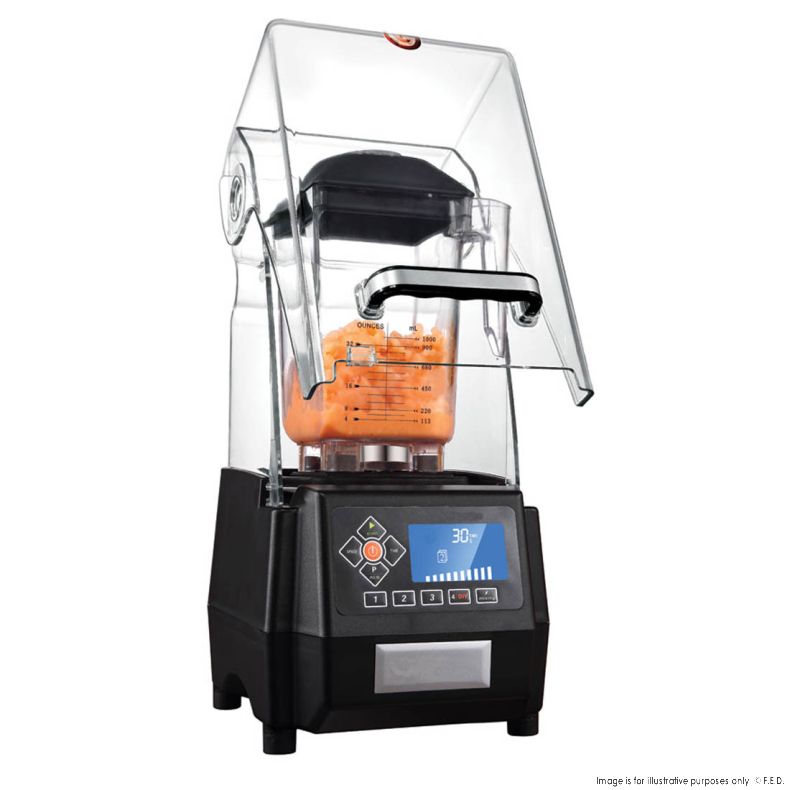
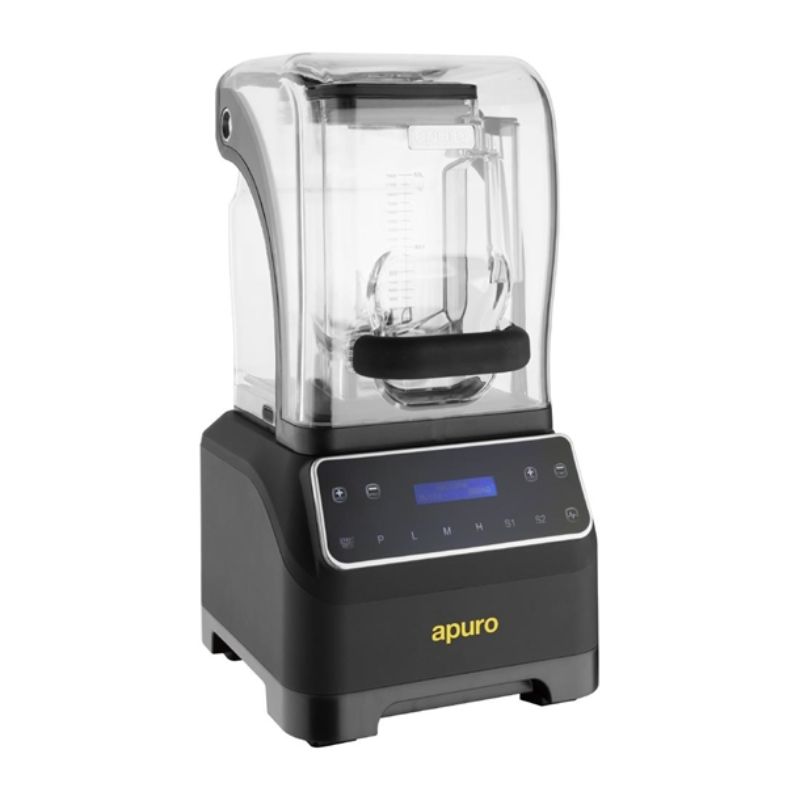
Apuro / FED – Budget-friendly, reliable entry-level commercial units
Waring – Known for premium performance and power
Hamilton Beach – Great for smoothies, soups, and quieter service
- Blendtec – High-end robust & quietest blenders in the market
View our commercial blender range


Tips to Keep Your Blender in Top Shape
A good blender is an investment — and like any equipment, it needs proper care:
Clean the jug and lid after each use
Don’t overfill or overload
Check blades regularly for wear
Follow the manufacturer’s maintenance schedule
Final Thoughts: Which Commercial Blender Is Right for You?
If you’re still unsure, think about:
What you’ll be blending daily
Your kitchen’s power supply
Noise requirements
How many serves you do per hour
No matter your business size, there’s a commercial blender to suit your workflow.
Need a Hand?
We’re here to help. Call us on 1300 434 125, or email info@bendgs.com.au for tailored advice and product recommendations.