
FAQs about Commercial Refrigerators Australia
Common Questions People Ask About a Commercial Fridge
A commercial fridge is a heavy-duty cooling unit designed for businesses like restaurants, cafes, supermarkets, and catering services. It’s purpose-built to safely store food, drinks, and ingredients at consistent temperatures during daily operations. It offers better cooling efficiency, durability, and storage capacity compared to domestic fridges.
Choose size based on your storage volume and available kitchen space:
Small cafés → 1–2 door underbench units
Restaurants → 2–4 door upright or prep fridges
Supermarkets → large multi-door display units
Measure your space and consider ventilation clearance around the unit.
There are several types, including:
Upright (1, 2, 3, 4 Door) Fridges – High-capacity storage for food & drinks. There are also split door options available
Glass Door Display Fridges – Ideal for showcasing beverages & perishable goods although most of businesses use this type of fridge for beverage
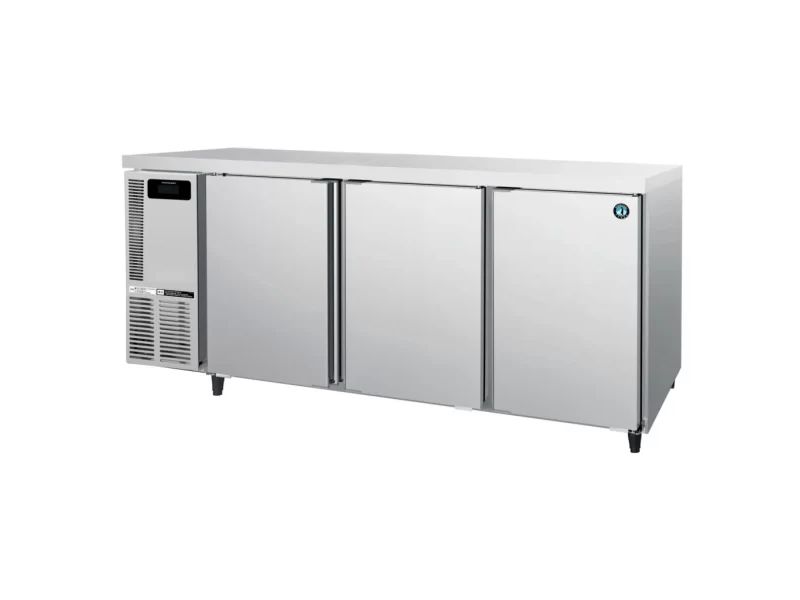
Underbench Fridges – Space-saving option for bars & restaurants. Available in 1 ~ 4 door options, they provide both work bench and chilled storage
Countertop Fridges – Small display units for cakes, drinks, or milk
Open Display Fridges – Grab-and-go convenience for retail stores and bakeries
Blast Chillers & Freezers – Rapid cooling for food safety compliance
Bar & Beverage Fridges – Designed for storing wine, beer, and soft drinks
Browse a variety of commercial fridges including all the above ranges now.
Kitchen or storage space – Ensure it fits your available area
Storage needs – Choose based on your daily food & beverage stock
Energy efficiency – Larger units consume more power, so opt for an energy-saving model such as Turbo air and Bromic models
General size guide:
- Small cafes & bakeries – Undercounter or single-door fridges (100L-400L)
- Restaurants & bars – Double-door or upright fridges (400L-1500L)
- Supermarkets & convenience stores – Open display or large glass-door fridges (500L+)
- General food storage: 1°C to 5°C
- Dairy & delicate produce: 2°C to 8°C
- Meat storage: -2°C to 2°C
- Beverage fridges: 1°C to 10°C
Tip: Always follow Australian food safety standards to maintain hygiene and compliance.
Yes, but energy efficiency depends on the model and brand. Nevertheless, below features can help you find the ideal one
- LED lighting – Reduces power consumption
- Eco-friendly refrigerants (R290, R600a) – Lower environmental impact
- Self-closing doors & double-glazed glass – Prevents cold air loss
- High-efficiency compressors – Uses less energy while maintaining cooling performance
For optimal performance, follow this maintenance schedule:
- Daily: Wipe down shelves & check for spills
- Weekly: Clean the door seals & air vents
- Monthly: Defrost (if required) & clean condenser coils with brush (*Please power off while you perform this)
- Pro Tip: Use food-safe cleaners and avoid harsh chemicals that can damage the fridge interior.
Basic maintenance like cleaning condenser coils, checking door seals, and inspecting fans should be done every 3–6 months. Regular servicing helps maintain cooling performance and extends lifespan.
Yes! Most commercial fridges require proper airflow to prevent overheating.
- Front-vented models can be installed in tight spaces.
- Side-mounted models require room of about 10cm at the front, side and back depending on brand and models
- Rear-vented models need at least 10-15 cm clearance from walls.
| Feature | Commercial Fridge | Domestic Fridge |
|---|---|---|
| Cooling Power | Heavy-duty, faster cooling | Lower power, slower cooling |
| Durability | Built for daily use in high-demand settings | Designed for home use |
| Storage | Large capacity, adjustable shelving | Smaller storage space |
| Temperature Control | Precise, maintains safe food storage temps | Less accurate cooling |
| Noise Level | Louder due to powerful compressors | Quieter operation |
Yes, but it’s not recommended because:
- Noisy operation – Louder than household fridges
- Higher power consumption – Designed for continuous commercial use
- Stronger cooling – May be too cold for household food storage
- Larger size – May not fit in standard kitchens
With proper maintenance, a high-quality commercial fridge can last 8-15 years. Factors that affect lifespan include:
- Brand & build quality
- Frequency of use
- Regular cleaning & servicing
- Environmental conditions (heat & humidity levels)
- Turbo Air – Durable, easy to use, 3 years warranty, energy-efficient models, strong build quality
- Thermaster – Efficient cooling, robust, affordable, one of popular brands in Australia
- Atosa – Durable, affordable
- AG Equipment – Affordable, Strong, energy-efficient
- Bromic – Reliable, excellent warranty service
- Hoshizaki – High tech, efficient, durable, variable temperature control
- FED-X – High quality, affordable price, using R290 refrigerant, high end compressor & controller, easy to use & service
Browse Brands at bendgs.com.au