
Commercial Fridges for Home Use: What You Need to Know
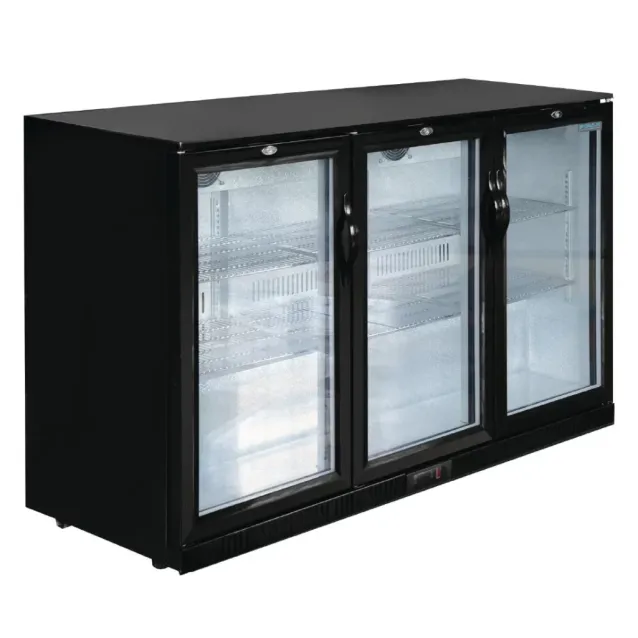
When most people think about commercial fridges, they picture busy restaurants, bars, or supermarkets. But more and more Aussie households are discovering the benefits of installing a commercial fridge at home. If you’ve got a big family, love entertaining, or just want a fridge that keeps up with demand, a commercial model could be a smart investment.
In this guide, we’ll look at what types of commercial fridges suit home use, why they’re better in some cases than domestic fridges, and the key things you should consider before buying.
Table of Contents
Why Choose a Commercial Fridge at Home?
A domestic fridge is built for everyday family use — storing groceries, leftovers, and drinks. But when you’re running a busy household, hosting barbecues every weekend, or stocking up in bulk, you quickly find their limits.
Here’s where a commercial fridge has the edge:
- Bigger storage capacity – ideal for bulk shopping and family-sized loads.
- Faster cooling – commercial compressors recover temperature quickly, even if the door is opened often.
- Durability – built with heavy-duty components to handle constant use.
- Better airflow – keeps every shelf evenly chilled, so no warm spots at the top or back.
- Designed for visibility – glass door fridges look great for entertaining and let you see exactly what’s inside.
What Types of Commercial Fridges Work for Homes?
Not every commercial fridge is suitable for home kitchens. Here are the most popular options for residential use:
1. Upright Glass Door Fridges
If you host gatherings or have a busy household, an upright glass door fridge makes entertaining easy. Drinks, party platters, and snacks are visible and ready to grab at a glance.
Why it’s better than a household fridge:
Domestic double-door fridges rarely offer true display visibility.
Commercial glass doors keep items evenly chilled with powerful fans and anti-fog glass.
They recover temperature faster when the door is opened frequently.
Best used in garages, alfresco kitchens, or games rooms where style and convenience matter.
2. Underbench Bar Fridges
Compact and practical, underbench bar fridges are perfect for home bars, outdoor kitchens, or even man caves. They slide neatly under counters and give you extra space without taking over the room.
Why it’s better than a household bar fridge:
Domestic “bar fridges” often struggle in warm environments.
Commercial underbench units are tropical-rated to handle high Aussie summer heat.
They’re built sturdier, with stainless steel or heavy-duty finishes, so they last longer under constant use.
3. Chest Freezers
For families that shop in bulk or store large cuts of meat, seafood, or meal prep, a commercial chest freezer is a smart investment. With deep, wide storage, they can handle far more than standard upright freezers.
Why it’s better than a household chest freezer:
Commercial chest freezers offer bigger storage capacity. biggest one offers over 700 litre of freeze storage.
They maintain lower, more stable temperatures thanks to top-opening design.
Food stays frozen longer in a power outage compared to upright domestic models.
Great for hunters, bulk meat buyers, or large families who want to save money by buying in bulk.

What’s Better Than a Domestic Fridge?
A regular household fridge does the job for everyday living — storing groceries, leftovers, and drinks for a family. But when you put them under heavy use, their limitations quickly show. This is where commercial fridges really shine.
Cooling performance is the biggest difference. Domestic fridges often take hours to bring food and drinks back down to safe temperatures after the door has been opened several times. Commercial fridges, on the other hand, are built with more powerful compressors and fan-forced cooling, meaning they can recover in minutes. This is a huge advantage for large families or anyone who entertains often, where the fridge door is constantly being opened and closed.
Durability is another key factor. Commercial fridges are designed for back-to-back service in cafés, restaurants, and bars, where the doors might be opened hundreds of times a day. The hinges, seals, and shelving are all built to withstand heavy use, which means they generally outlast domestic models when used in high-demand households.
Capacity is where commercial fridges pull well ahead. While a typical double-door domestic fridge might give you around 500–600 litres of storage, a two-door commercial upright fridge can easily offer double or even triple that space. For big families, bulk buyers, or home entertainers, that extra room makes a huge difference.
Finally, there’s the look and feel. Commercial fridges often feature sleek stainless steel finishes or stylish glass doors, giving a modern, professional appearance. In an open-plan kitchen, alfresco area, or home bar, a commercial fridge not only performs better but also adds a touch of style that a regular household fridge can’t match.
Key Things to Consider Before Buying
Before you commit to a commercial fridge for home use, it’s worth thinking about a few practical details that can make all the difference.
Noise is one of the first things to check. Commercial fridges use stronger compressors and fan-forced cooling, which means they can be louder than your everyday domestic fridge. If you’re planning to keep it inside an open-plan kitchen, check the sound ratings carefully or ask the supplier about quieter models. Many Australians choose to place their commercial fridge in a garage, alfresco area, or home bar where the hum won’t interfere with daily life.
Energy usage is another key factor. With bigger cooling power comes higher running costs, so it’s important to look for models designed with efficiency in mind. Many modern fridges in Australia use R290 natural refrigerant, LED lighting, and improved insulation, which can cut electricity bills significantly compared to older models. For example, a tropical-rated 2-door fridge running R290 can use up to 20% less energy than an older unit with R134a.
Space and ventilation are often overlooked. Unlike domestic fridges that can be pushed flush against a wall, commercial fridges need proper airflow to perform efficiently. If you’re installing one in your garage or kitchen, measure carefully and allow clearance at the sides, back, and top. Without ventilation, the compressor works harder, driving up power use and shortening the fridge’s lifespan.
Ambient rating is especially important in Australian conditions. If your fridge will live in a hot garage in Perth or an outdoor bar in Brisbane, you’ll need a tropical-rated model that can handle ambient temperatures above 40 °C. Standard units may struggle in summer heat, leading to warm spots or even spoilage.
Finally, check the warranty and servicing. A good commercial fridge should come with at least 2 years parts and labour warranty, with some suppliers offering extended coverage when you register online. Make sure servicing is available locally in case anything goes wrong — especially if you live outside metro areas. Having access to genuine spare parts and trained technicians in Australia ensures your fridge stays in top working order.
Final Word
A commercial fridge at home can be a game-changer — giving you more storage, faster cooling, and the durability to handle whatever you throw at it. Whether you’re a big family, a home chef, or just love hosting, it’s worth looking beyond standard domestic fridges.
At BENDGS, we stock a wide range of upright, underbench, and glass door commercial fridges that suit both professional kitchens and homes. Backed with warranty, Australia-wide delivery, and expert advice, we’ll help you pick the right fridge for your space.


