
Duckbill vs Chimney Wok Burner: Which One Does Your Kitchen Need?
Choosing the right wok burner can make or break your Asian kitchen. If you run a Chinese restaurant, noodle bar, or any venue cooking stir-fries, you need to understand the difference between duckbill and chimney burners. This guide explains everything Australian chefs and kitchen owners need to know about these two popular burner types.
What Are Duckbill and Chimney Wok Burners?
Both duckbill and chimney burners are high-powered gas systems designed for commercial wok cooking. They create the intense heat needed to achieve “wok hei” – that smoky, charred flavour you can’t get from regular gas stoves. The main difference is in how they distribute flames and what type of cooking they’re best suited for.
Chimney Burner Design
A chimney burner produces a strong, vertical flame column that shoots straight up into the base of your wok. The flame pattern is narrow and concentrated, creating intense turbulence and maximum heat at the wok’s centre. Australian chefs call this the “straight-up” flame style.
Duckbill Burner Design
The duckbill burner creates a wide, fan-shaped flame that spreads out under large pots and woks. The flame pattern looks like a duck’s bill when viewed from the side – hence the name. This design gives you broader heat coverage with gentler, more controllable temperatures.


Power Output Comparison
Understanding the power difference between these burners helps you choose the right equipment for your menu.
Chimney Burner Power
Commercial chimney burners typically deliver 95-130 MJ/hr (megajoules per hour) of cooking power. Some high-performance models reach up to 150 MJ/hr. This extreme heat output makes them the strongest option in most commercial wok ranges.
For comparison, a standard home gas stove produces only about 7-12 MJ/hr – that’s why home stir-fries often turn out soggy and steamed rather than crispy and seared.
Duckbill Burner Power
Duckbill burners usually operate at 105-130 MJ/hr. While still incredibly powerful compared to domestic equipment, they typically run slightly lower than chimney models. The wider flame distribution means the heat is spread over a larger area rather than concentrated in one spot.
What These Numbers Mean
Both burner types deliver enough power for professional cooking. The difference isn’t about one being “stronger” – it’s about how that power is delivered. Chimney burners concentrate heat for explosive stir-frying, while duckbills spread heat for steady simmering.
Best Uses for Each Burner Type
Choosing between these burners depends entirely on what dishes you’re cooking most often.
When to Choose Chimney Burners
Chimney burners excel at high-speed stir-frying and dishes that need maximum wok hei. Australian Asian restaurants use them for:
- Fried rice and noodle dishes like chow mein
- Stir-fried beef ho fun
- Quick-seared vegetables
- Dry stir-fries
- Cantonese and Sichuan specialties
- Any dish needing intense, fast heat
The vertical flame creates violent turbulence that sears ingredients in seconds. Professional chefs run these burners at full strength without turning them down – they’re designed to operate at maximum power.
When to Choose Duckbill Burners
Duckbill burners work best for slower cooking and liquid-based dishes. They’re ideal for:
- Bone broths and master stock
- Pho and ramen soup bases
- Long-simmering curries
- Braised dishes
- Heating large quantities of water or oil
- Any recipe requiring steady, controllable heat
The fan-shaped flame heats large pots evenly without creating hot spots that could burn your stock. You can easily adjust the flame up or down, making these burners much more versatile than chimney models.
Key Features Comparison
Here’s how these commercial wok burners stack up across important features.
Flame Control
- Chimney burners are designed to run at full power. Turning them down often leads to incomplete gas combustion and sooting. They’re essentially on/off systems – perfect for fast cooking but not ideal if you need fine temperature control.
- Duckbill burners offer excellent adjustability. You can dial the flame from a gentle simmer up to a roaring boil, making them far more versatile across different cooking tasks.
Heat Distribution
- Chimney burners create a short, intense flame with all the heat concentrated in the wok’s centre. This produces maximum turbulence and the strongest wok hei effect.
- Duckbill burners spread heat across a wider area, providing more even heating for large pots and gentle cooking. The longer, softer flame reduces hot spots.
Cooking Speed
- Chimney burners deliver the fastest cooking times. Many Asian restaurants can prepare a serve of fried rice in under 60 seconds with a properly sized chimney setup.
- Duckbill burners take slightly longer but offer better control, reducing the risk of burning delicate ingredients.
Fuel Efficiency
Both burner types consume similar amounts of gas at full power. However, duckbill burners often prove more economical because you can run them at lower settings when full power isn’t needed.
Price Comparison for Australian Buyers (Ex. GST)
Understanding pricing helps you budget for your commercial kitchen equipment.
Single Burner Units
Chimney burner: $2,850 – $3,850 (single wok station) Duckbill burner: $2,850 – $3,850 (single wok station)
Single burner prices are similar regardless of burner type. The main cost difference comes from brand, build quality, and whether the unit is waterless or traditional.
Double Burner Systems
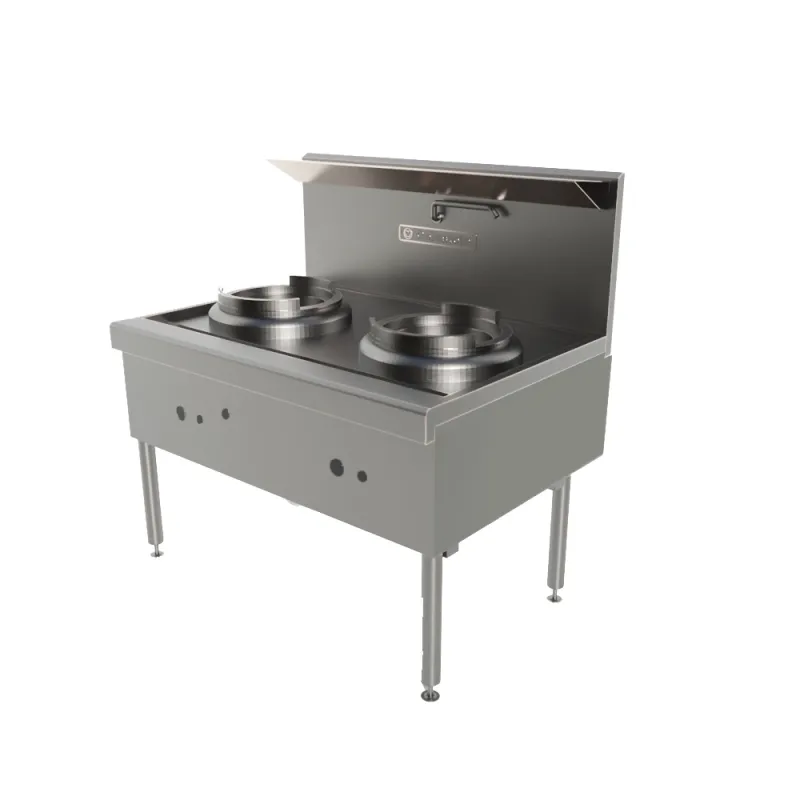
Two chimney burners: $5,200 – $6,400 One chimney, one duckbill: $4,970 – $6,370 Two duckbill burners: $4,970 – $6,370
Most Australian chefs find the mixed setup (one of each) offers the best versatility. You get stir-fry power plus soup-making capability in one unit.
Triple Burner Configurations
Three chimney burners: $6,570 – $8,800 Two chimney, one duckbill: $6,570 – $8,800 One chimney, two duckbill: $6,570 – $8,800 Three duckbill burners: $6,570 – $8,800
Triple setups cost the same regardless of burner combination. Popular Australian brands like B+S, Luus, and Gasmax offer these prices across their waterless ranges.
What Affects Price
Several factors impact the final cost:
- Waterless vs traditional design (waterless models cost more upfront but save on water bills)
- Natural gas vs LPG compatibility
- Brand reputation (Cobra, Luus, Goldstein command premium prices)
- Build quality and materials
- Local supplier vs imported equipment
Popular Brands in Australia
Australian commercial kitchens rely on several trusted manufacturers.
B+S
B+S Commercial Kitchens is an Australian company based in Victoria specialising in commercial kitchen equipment for restaurants, cafés, and hospitality businesses. They supply a wide range of cooking equipment, including commercial wok burners, designed to suit the demands of professional kitchens. Their wok burners feature durable stainless steel construction and are built to deliver consistent heat output for high-volume cooking. B+S equipment is commonly used in Chinese restaurants, Asian kitchens, and takeaway businesses across Australia due to its reliable performance and practical design. With local availability and support, B+S Commercial Kitchens is a popular choice for Australian hospitality operators looking for dependable and cost-effective commercial cooking equipment.
Cobra
Cobra’s waterless wok range dominates many Asian kitchens across Australia. Their 800mm compact depth design fits smaller spaces while delivering full commercial power. Models come in natural gas or LPG with your choice of burner configuration.
Luus
Luus specialises in waterless designs that save thousands of dollars in water costs annually. Their WZ and WV series are compact, efficient, and built for heavy commercial use in Melbourne, Sydney, Brisbane, and beyond.
Gasmax
Gasmax offers excellent value without compromising on quality. Their stainless steel construction and reliable performance make them popular with new restaurant owners watching their budget.
Goldstein
Goldstein’s CWA series features air-cooled stainless steel decks with dual-ring burners. They’re ideal for high-volume Chinese and Thai restaurants that need equipment built to last.
Waterless vs Traditional Wok Stations
Modern waterless designs have revolutionised commercial wok cooking in Australia.
Traditional Water-Cooled Systems
Old-style wok burners require constant water flow to keep the cooktop from overheating. This design wastes enormous amounts of water – often hundreds of litres per day in busy kitchens. Your water bills alone can cost thousands annually.
Waterless Technology
Waterless wok stations use an air gap to insulate the burner elements. Excess heat vents directly into your kitchen exhaust system instead of heating up the cooktop surface. The benefits include:
- Save up to 90% on water consumption
- Lower utility bills (water and sewerage)
- Simpler operation (no taps or cooling system to maintain)
- Better for the environment
- Reduced maintenance and cleaning
- No water-related breakdowns
Most new Australian installations now choose waterless technology. The higher upfront cost pays for itself through water savings in the first year or two.
Installation Considerations
Installing commercial wok burners requires careful planning and professional help.
Gas Connection
You’ll need either natural gas connection or LPG bottle setup. Natural gas is more convenient for permanent installations, while LPG works well for mobile food trucks or outdoor catering.
Most suppliers can configure units for either gas type, but you must specify at the time of purchase. Converting between gas types later requires new nozzles and air shutters – it’s not a simple DIY job.
Ventilation Requirements
High-power wok burners produce massive amounts of heat and cooking fumes. Australian commercial kitchens must have:
- Commercial-grade range hood with adequate capacity
- Proper exhaust ducting
- Make-up air system (fresh air replacement)
- Fire suppression system for safety compliance
Don’t underestimate ventilation needs. These burners run much hotter than standard commercial ranges.
Kitchen Layout
Wok stations come in different widths:
- 600mm (single burner)
- 1200mm (double burner)
- 1800mm (triple burner)
Depth is typically 800-900mm. You’ll need adequate clearance for the chef to work safely, plus space for wok storage and prep areas nearby.
Professional Installation
Always use licensed gas fitters and commercial kitchen specialists. They ensure:
- Correct gas pressure and flow rates
- Proper ventilation and exhaust
- Australian safety standards compliance
- Local council approval if required
Which Burner Should You Choose?
The best choice depends on your menu and cooking style.
Choose Chimney Burners If You:
- Specialise in stir-fries and fried rice
- Need maximum cooking speed during service
- Focus on Cantonese or Sichuan cuisine
- Want the strongest possible wok hei
- Mainly cook dishes that need searing and fast cooking
Choose Duckbill Burners If You:
- Prepare lots of soups, broths, or curries
- Need temperature control and versatility
- Cook dishes with longer simmering times
- Make pho, ramen, or other soup-based menus
- Want one burner that handles multiple cooking styles
The Smart Solution: Mixed Setup
Most experienced Australian chefs choose combination units with both burner types. A typical setup might include:
- One chimney burner for stir-fries
- One duckbill burner for soups and stocks
This gives you the best of both worlds without needing separate stations. You can prepare your entire menu efficiently from one compact wok unit.
Maintenance and Running Costs
Both burner types need regular maintenance to perform well.
Daily Cleaning
Wipe down stainless steel surfaces, empty spillage trays, and clean wok rings after each service. Both burner types have similar cleaning requirements.
Regular Servicing
Schedule professional servicing every 6-12 months. Technicians will:
- Check gas connections and pressure
- Clean burner jets and air shutters
- Test flame failure protection systems
- Inspect for wear or damage
Gas Consumption
At full power, both burners use similar amounts of gas. A single commercial wok burner consumes roughly 10-15kg of LPG per hour at maximum output. Natural gas costs vary by location but expect significant fuel expenses in busy kitchens.
Long-Term Durability
Quality commercial wok burners from brands like Cobra, Luus, and Goldstein typically last 10-15 years with proper maintenance. Waterless models often outlast traditional designs because there’s less corrosion from water exposure.
Final Recommendations
For most Australian Asian kitchens, a mixed burner setup offers the best value and versatility. Budget around $5,000-$6,500 for a quality double wok station with one chimney and one duckbill burner.
If you’re opening a noodle bar or stir-fry specialist restaurant, invest in chimney burners for maximum cooking speed. Soup-focused venues like pho restaurants should prioritise duckbill burners for better control and even heating.
Don’t skimp on quality to save a few hundred dollars. A reliable commercial wok burner is the heart of any Asian kitchen – it’s worth paying for trusted Australian brands with proper support and warranty coverage.
Need help choosing the right wok burner for your kitchen? Contact a commercial kitchen equipment specialist who understands Australian safety standards and can guide you through gas types, installation requirements, and the best configuration for your menu.