Australian Owned Family Business

Best Commercial Pizza Ovens: Buyer’s Guide in Australia

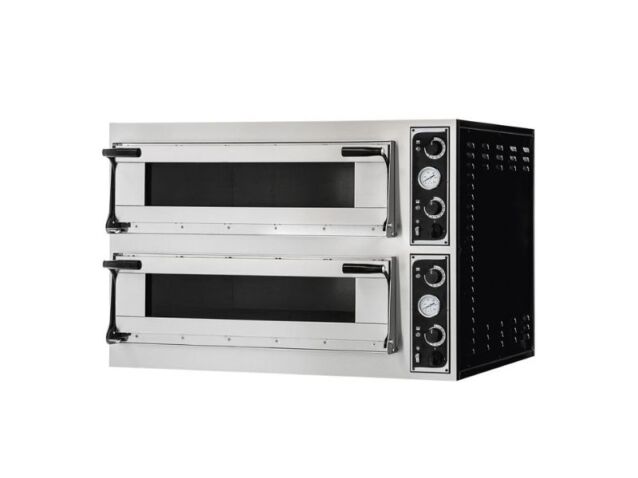
BakerMax TP-2 Double Deck Pizza Ovens 8 x 40cm

When you’re running a busy pizzeria, café, or restaurant in Australia, your oven is the heartbeat of your kitchen. The right commercial pizza oven makes all the difference — from serving consistent, perfectly baked pizzas during rush hour to keeping energy bills under control. But with so many options out there, how do you pick the best commercial pizza oven for your business?

This buyer’s guide will walk you through the types of pizza ovens, what to look for, and how to choose the perfect oven that fits your kitchen, budget, and customer demand.

Table of Contents

Why Choosing the Right Pizza Oven Matters

In hospitality, every second counts. Customers don’t just want pizza—they want it hot, crispy, and consistent every single time. The wrong oven can hold your kitchen back, but the right one can transform your whole operation.

How the Right Oven Impacts Your Business

  • Keeps up with peak rush hours
    Imagine a busy Friday night in a suburban pizzeria. A conveyor pizza oven allows the chef to load, set, and forget—churning out dozens of perfectly cooked pizzas per hour. Compare that to a small deck oven that struggles with volume; suddenly, customers are waiting longer, staff feel pressured, and you risk losing repeat business.

  • Delivers the quality customers notice
    A Melbourne café that introduced a stone deck oven noticed immediate feedback from regulars—the crusts came out with a traditional char and texture that felt “authentic.” That difference in quality keeps customers coming back and gives you an edge over competitors.

  • Saves on running costs
    Energy-efficient ovens with smart heating elements can significantly cut down on power bills. One regional pub owner who upgraded from an old gas oven to a modern electric deck oven reported a 20% drop in energy bills while also speeding up service. By switching to newer technology, kitchens not only save thousands of dollars a year but also benefit from faster heat recovery and consistent cooking results.

  • Reduces downtime and headaches
    Maintenance issues during service are a nightmare. A busy restaurant in Sydney swapped out their ageing oven for a modern conveyor oven with self-cleaning features and easy-access parts. The result? Less time wasted on repairs and cleaning, and more time spent serving happy diners. Choosing a reliable brand like Lincoln or Middleby can make all the difference in keeping service smooth.

More Reasons to Get It Right

  • The right oven adapts to your menu—whether you’re offering Neapolitan wood-fired style, New York slices, or high-volume takeaway.

  • Choosing the right size and design avoids wasting kitchen space, which is crucial in cafés and food trucks.

  • Better ovens improve staff workflow, so your team can focus on customers instead of fiddling with inconsistent equipment.

See our full range of Commercial Pizza Ovens to explore models for every style of business—from compact countertop ovens for small cafes to high-output conveyor ovens for busy restaurants.

Best Types of Pizza Ovens

1. Conveyor Pizza Ovens

  • Ideal for high-volume venues (fast food, takeaway, stadiums).

  • Offers consistent results — pizzas move along a conveyor belt with set cooking times.

  • Pros: Fast, easy training for staff, handles multiple orders at once.

  • Cons: Larger footprint, less “artisan” finish compared to deck ovens.

2. Deck Pizza Ovens

  • Perfect for authentic pizzerias and restaurants.

  • Cook directly on stone or metal decks, producing that traditional stone-baked flavour.

  • Pros: Flexible for pizza, bread, pastries; authentic taste.

  • Cons: Requires skilled staff to manage heat and rotation.

3. Wood-Fired & Artisan Ovens

  • Best for gourmet restaurants looking to impress with authenticity.

  • Infuses pizzas with a smoky, rustic flavour customers love.

  • Pros: Unique flavour, visual appeal.

  • Cons: Requires space, ventilation, and more attention.

4. Countertop & Compact Ovens

  • A smart option for cafés and small shops.

  • Fits tight spaces while still delivering quality pizza.

  • Pros: Space-saving, quick install.

  • Cons: Limited capacity.

5. Electric Pizza Ovens – Easy, Clean, Consistent

  • Easy to install

  • Consistent baking temperature

  • Great for high volume

  • Pros: Indoor kitchens without gas lines

6. Gas Pizza Ovens – Fast, Hot, and Efficient

  • Fast heat-up and recovery

  • High temperatures ideal for crisp bases

  • Easier to control than wood

  • Pros: fast & smokey flavour
  • Cons: Requires gas line set-up


If you’re running a commercial kitchen in Australia, most operators lean towards commercial gas ovens or wood-fired units; gas for reliability and turnover, wood for flavour and authenticity. Electric ovens are great for cafes or spaces with tricky ventilation. And conveyor ovens are brilliant for delivery-heavy shops where consistency equals profit.

Comparing the Best Commercial Pizza Ovens in Australia

When it comes to choosing the right oven, every brand brings its own edge to the table. Whether you’re running a high-volume pizzeria, a busy café, or an artisan bakery, the decision often comes down to balancing speed, efficiency, and consistency. Here’s how some of the leading names stack up.

TurboChef has made its name with rapid-cook technology that blends convection, air impingement, and microwave bursts. These compact conveyor ovens are ventless, so you don’t need expensive ducting or hoods, making them ideal for food trucks, kiosks, and ghost kitchens. They shine where speed and flexibility matter most — turning out pizzas, toasted sandwiches, and hot snacks in minutes while keeping power bills down.

TurboChef ventless conveyor oven

Middleby Marshall is a go-to for serious pizzerias. Their conveyor ovens feature Variable Air Flow (VAF) technology, giving operators precise control over heat distribution. The result is up to 30% faster bake times and consistent results, even during peak rush. They also run cooler on the outside, which keeps kitchens more comfortable — something chefs working long shifts appreciate.

Middleby Marshall conveyor oven

For those short on space, Moretti Forni delivers with compact, benchtop conveyor ovens that are reliable and efficient. These ovens are perfect for cafés or smaller takeaway outlets that want the benefits of conveyor cooking without giving up valuable prep space. They balance Italian design with practical performance, making them a smart choice for tight footprints.

Moretti Forni T64G/1SC Gas 16 Inch Belt Conveyor Oven on Stand

If bread and pastry are at the heart of your menu, Salva’s Modular Deck Ovens are hard to beat. They let you start with a single deck and expand as your business grows. Each deck has its own controls for roof, floor, and mouth temperatures, with ceramic heating elements that guarantee even bakes. Add in eco-smart power-saving systems and programmable settings, and you’ve got an oven that’s both flexible and economical.

Salva NXE Modular 3 Deck Oven with 9 Tray Capacity

The Salva Elecsol takes things further for artisan bakers. With stone sole plates, independent heating zones, and low-emission glass, it’s designed to produce beautiful crusts while keeping energy use down. Best of all, it plugs straight into a standard 32-amp outlet, saving you from costly electrical work — making it a no-brainer for smaller bakeries and boutique cafés.

Finally, BakeMax Stone Deck Ovens are built for volume without sacrificing quality. These ovens come with independent top and bottom heat controls, digital timers, and steam injection systems, giving you full control over every bake. Whether it’s pizzas, artisan loaves, or pastries, BakeMax combines big-capacity output with traditional stone hearth results, making them a versatile choice for kitchens that want it all.

BakerMax Black Panther Pizza Double Deck Oven EP-2E

In short: TurboChef and Middleby Marshall lead for speed and consistency in conveyor ovens, while Moretti Forni offers compact convenience. On the deck oven side, Salva is the winner for flexibility and energy efficiency, with the Elecsol specialising in artisan bread. BakeMax rounds things out with a heavy-duty stone oven that handles a wide variety of products.

Gas vs Electric: Which One to Choose?

When it comes to pizza ovens, one of the first questions café and restaurant owners in Australia ask is whether to go for gas or electric. Both have their strengths, and the right choice often comes down to your kitchen setup, running costs, and the style of service you offer.

Gas pizza ovens are a smart option if your kitchen is already fitted with gas connections. They generally heat up quickly and recover temperature faster after each batch, which is a big win during busy dinner service. In many cases, gas can be cheaper to run over the long term compared to electricity, making it attractive for high-volume pizzerias or takeaway shops looking to keep overheads down.

Electric pizza ovens, on the other hand, are all about convenience and precision. They don’t require a gas line, so installation is usually simpler—perfect if you’re setting up in a new location or a venue without gas access. Electric models are known for their accurate temperature control, giving you consistent results and less guesswork. They’re also popular in spots with stricter ventilation requirements, like shopping centres or smaller cafés, because they can be easier to manage from a compliance point of view.

In short, gas is often the go-to for speed and efficiency when you’re serving large volumes, while electric offers flexibility, control, and easier installation. The best choice depends on your menu, service style, and the infrastructure of your kitchen.

Do I need planning permission for a pizza oven?

1. Indoor Electric Pizza Oven (Most Common Case)

If you’re installing a bench-top electric pizza oven inside an existing commercial kitchen:

You usually DO NOT need planning permission.

But you still must ensure:

  • Electrical load is suitable (often 240V or sometimes 3-phase for larger models)

  • Your switchboard can handle the extra amperage

  • It complies with AS/NZS electrical standards

  • Your kitchen ventilation meets council requirements

In most cafés and takeaway shops, this is treated like adding another commercial appliance.

2. Gas Pizza Oven

If you’re installing a gas pizza oven, things step up slightly.

You typically won’t need “planning permission,” but you WILL need:

  • Licensed gas fitter installation

  • Compliance certificate

  • Possibly upgraded ventilation

  • Fire safety clearance

If the gas line needs upgrading, council or building approval may be required, depending on your premises.

3. Wood-Fired Pizza Oven (Where Approval Is Common)

This is where planning permission often comes into play.

You may need:

  • Local council development approval (DA)

  • Building approval for flue or chimney penetration

  • Smoke and emissions assessment

  • EPA compliance (in some councils)

  • Fire engineer approval

  • Landlord consent (if leasing)

Many Sydney and Melbourne councils require formal approval because:

  • Smoke impacts neighbouring properties

  • Structural modifications are involved

  • Fire risk is higher

If you’re cutting through the roof for a chimney, expect paperwork.

Learn more about NSW planning permission

Key Features to Look For

When you’re comparing commercial pizza ovens, these are the features that will make the biggest difference to your business:

Capacity & Size
Think about your busiest nights. A small suburban pizzeria in Sydney found their old single-deck oven couldn’t keep up with Friday rush, leaving customers waiting over 30 minutes. After upgrading to a Lincoln conveyor oven capable of pushing out over 100 pizzas per hour, they cut wait times in half and boosted repeat orders. Always choose an oven that matches your peak service needs.

Cooking Speed
Conveyor ovens shine in high-volume venues where consistency is everything. They run continuously, so every pizza is cooked evenly without staff hovering. Deck ovens, meanwhile, can deliver that artisanal, stone-baked flavour that Melbourne cafés and artisan bakeries often prefer. The key is matching oven type to your service style.

Build Quality
Your oven is the workhorse of your kitchen. Stainless steel construction and durable components mean fewer breakdowns and easier cleaning. According to Food Standards Australia New Zealand (FSANZ) Standard 3.2.3, food premises must use equipment that is durable and easy to clean—another reason to avoid cheap imports that rust or warp after a few years.

Temperature Range
A wider range means more flexibility. For example, PizzaMaster deck ovens can maintain baking temperatures up to 500°C, allowing chefs to produce anything from Neapolitan-style pizzas to breads and roasted dishes. This flexibility is invaluable if your menu goes beyond pizza.

Ease of Cleaning
Removable decks, crumb trays, and even self-cleaning functions can save hours of staff time each week. A Brisbane takeaway that switched to an oven with slide-out decks reported shaving 20 minutes off nightly clean-up—time better spent serving customers or closing earlier. FSANZ also requires that food-contact equipment is easy to clean to maintain hygiene.

Energy Efficiency

Energy bills are one of the biggest ongoing costs for restaurants and pizzerias, so the oven you choose can have a huge impact on your bottom line. Modern pizza ovens are designed with efficient burners, advanced insulation, and smarter heat circulation systems that reduce wasted energy. For example, gas ovens with rapid heat recovery save fuel during busy service, while electric deck ovens with precise thermostats prevent overheating and unnecessary power use.

In Australia, energy-efficient ovens are becoming the standard as businesses look to cut running costs and meet sustainability goals. According to Sustainability Victoria, investing in energy-smart commercial cooking equipment doesn’t just reduce your carbon footprint—it can also deliver significant long-term savings. Choosing the right oven means lower overheads, faster service, and a more sustainable kitchen.

Warranty & Support
Even the best ovens need servicing. Always check warranty terms and after-sales support. Under Australian Consumer Law, purchases under $100,000 are covered by consumer guaranteesmeaning suppliers must provide a remedy if your oven fails. One Adelaide café that bought through a local distributor with strong after-sales support had their faulty thermostat replaced within 24 hours, avoiding lost trade during the weekend rush.

How Much Does a Commercial Pizza Oven Cost?

In Australia, commercial pizza oven prices cover a wide spectrum, starting from around $500 for small countertop units and stretching beyond $45,000 for large, high-capacity models. The type of oven you choose has the biggest impact on cost. Compact countertop ovens, such as small electric or convection units, are the most affordable, usually ranging between $500 and $3,000—perfect for cafés, food trucks, or venues adding pizza as a side menu item.

Deck ovens are the next step up, with prices starting from about $1,000 for small single decks and reaching $10,000 or more for multi-deck models designed to handle bigger service demands. These are popular with restaurants and bakeries looking for authentic stone-baked results and the ability to produce bread and pastries as well as pizzas.

Conveyor ovens sit higher on the price scale, generally between $3,000 and $20,000 depending on size and capacity. They’re designed for consistency and speed, making them ideal for busy takeaway shops or franchise-style venues pumping out hundreds of pizzas a day.

For those seeking tradition and theatre, wood-fired ovens remain a favourite. Prices usually start at around $3,600 and can climb past $26,000 for large, Italian-made commercial models, especially once you factor in installation and ventilation.

As a general guide, small cafés and low-volume venues should budget between $900 and $3,000 for a reliable compact or deck oven. Businesses with moderate demand will find plenty of strong options between $2,500 and $5,000. For high-volume service or large-scale operations, expect to invest from $5,000 upwards, with the most advanced conveyor and multi-deck ovens exceeding $20,000.

Check Commercial Ovens to browse oven prices

Final Tips Before You Buy

Before you commit to a commercial pizza oven, it pays to think carefully about how it will work in your kitchen. Start with the basics: your layout and ventilation. Ovens are some of the largest and heaviest pieces of equipment in any food business, so it’s important to measure up properly and plan around doorways, workstations, and extraction systems. A poorly positioned oven can cause bottlenecks for your staff, while the right placement makes service smoother and more efficient. Always check the ventilation requirements too, as compliance with Australian safety standards is essential for both your team’s wellbeing and council approvals.

Next, be realistic about capacity. One of the biggest mistakes new venues make is underestimating demand. If you plan to grow your menu or expand service hours, a small oven may hold you back within the first year. For example, many cafés start with a compact deck oven but quickly find themselves upgrading once pizza becomes a bestseller. Think about peak service times, the size of your menu, and whether you’ll be offering takeaway alongside dine-in. Buying with growth in mind will save you from costly upgrades down the track.

It’s also worth considering the long-term running costs, not just the purchase price. Energy-efficient ovens may require a higher upfront investment, but they often pay for themselves by cutting bills and reducing downtime. Features like advanced insulation, rapid heat recovery, and precise temperature control all help lower energy consumption while improving consistency. In a competitive industry where every dollar counts, these savings add up year after year.

Finally, don’t overlook the importance of choosing a trusted supplier. At Bens Hospitality Equipment, we don’t just sell ovens—we help you make the right decision for your business. From advice on gas versus electric models, to understanding warranty coverage and after-sales support, we’re here to ensure your investment works as hard as you do. We also back it up with reliable warranties and fast shipping Australia-wide, so you can get cooking without delay. Buying from a supplier who knows the industry means peace of mind, expert guidance, and long-term support for your kitchen.

FAQs

What is the life expectancy of a commercial pizza oven?

Most commercial pizza ovens last 8–15 years, depending on type and maintenance. Wood-fired ovens can last 20+ years, while electric and gas ovens typically last 8–12 years with regular servicing.

Is wood-fired pizza profitable?

Yes. Wood-fired pizza often commands higher prices and strong margins (typically 70%+ gross margin), making it profitable when volume and labour are managed properly.

Is a pizza oven worth the investment?

For most hospitality businesses, yes. Pizza has one of the best food cost margins in the industry, and many operators recover the oven cost within months if sales volume is steady.

What type of oven do pizza restaurants use?

Most pizza restaurants use gas or electric deck ovens. Artisan venues often use wood-fired ovens, while high-volume chains use conveyor ovens.

Can you have a pizza oven in your house?

Yes. Small electric and outdoor gas pizza ovens are common in homes. Large built-in wood-fired ovens may require council approval depending on your location.