Baking Trays in Australia – Complete Guide to Sizes, Depths, Uses & Equipment Compatibility
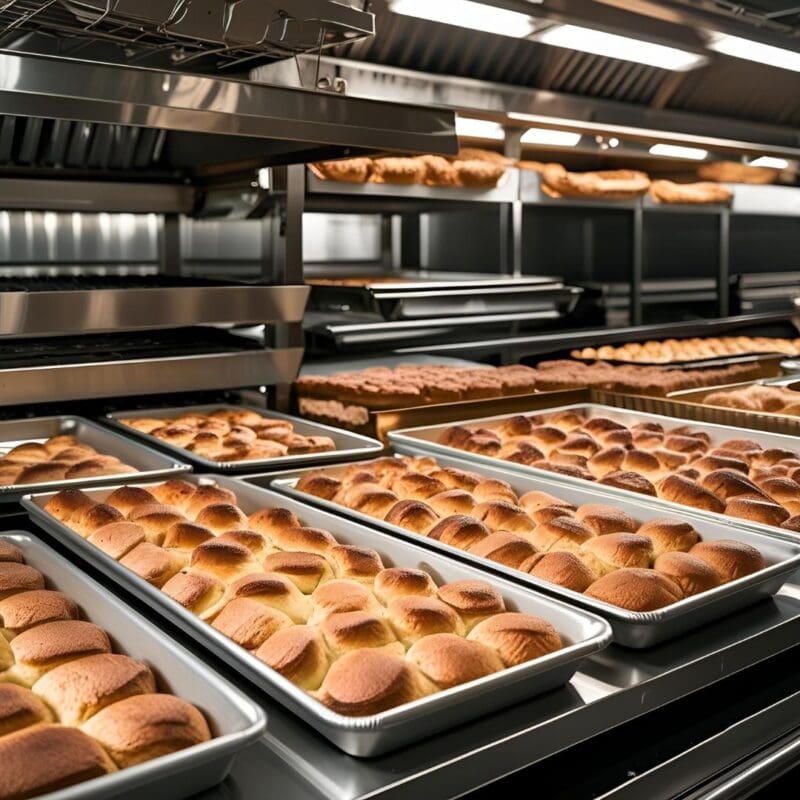
If you own or manage a café, bakery, restaurant, catering service, or food production kitchen in Australia, baking trays are one of the most essential pieces of kit you’ll use. From roasting vegetables to baking croissants, these trays are the workhorses of commercial ovens.
The challenge? Baking trays come in different sizes, depths, and materials — and not all trays fit all ovens.
In this guide, we’ll cover:
Australian baking tray sizes and how they compare to GN pans
Common tray depths and what they’re used for
Material options and their pros/cons
Commercial equipment that uses baking trays
Buying tips to choose the perfect trays for your business
Baking Tray Sizes in Australia
In Australian hospitality industries, baking trays generally fall into two main sizing systems:
Bakery Sheet Pan Sizes – common in bakeries, patisseries, and deck ovens.
Gastronorm (GN) Sizes – standardised foodservice sizes used in combi ovens, bain maries, and catering equipment.
Full Sheet (Bakery) – 600 × 400 mm
Common Equipment: Bakery deck ovens, rack trolleys
Typical Use: Bread, pastries, bulk bakesHalf Sheet (Bakery) – 460 × 330 mm
Common Equipment: Convection ovens, countertop ovens
Typical Use: Cakes, cookies, smaller batchesQuarter Sheet – 330 × 250 mm
Common Equipment: Small convection ovens
Typical Use: Small runs, test bakesGN 1/1 Tray – 530 × 325 mm
Common Equipment: Combi ovens, hot cupboards
Typical Use: Roasting, baking, cateringGN 2/3 Tray – 354 × 325 mm
Common Equipment: Compact combi ovens
Typical Use: Small roasts, pastriesGN 2/1 Tray – 650 × 530 mm
Common Equipment: Large combi ovens, banqueting
Typical Use: Bulk roasting, catering service
Common Baking Tray Depths
Depth determines capacity and the type of cooking you can do:
| Depth Range | Common Uses |
|---|---|
| 10–20 mm (Shallow) | Biscuits, pastries, pizzas, flatbreads – allows maximum airflow for crisping and even baking. |
| 25–40 mm (Medium) | Roasting vegetables, tray bakes, lasagne, sheet cakes – gives a bit more depth without slowing heat penetration. |
| 50+ mm (Deep) | Roasting meats, casseroles, high-volume catering dishes – holds more liquid and retains moisture. |
Baking Tray Materials
Aluminium – Lightweight, excellent heat conductivity, bakes evenly, common in bakeries. May react with acidic foods.
Stainless Steel – Extremely durable, corrosion-resistant, dishwasher-safe. Slightly slower heat conduction than aluminium.
Non-stick Coated – Easier food release for delicate bakes; requires gentle cleaning to protect the coating.
Perforated Trays – Allow airflow underneath for crisper crusts (ideal for pizza bases and artisan bread).
Commercial Kitchen Equipment That Uses Baking Trays
Baking trays are compatible with a wide range of commercial kitchen equipment:
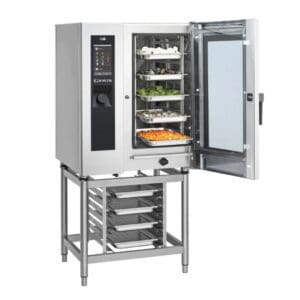
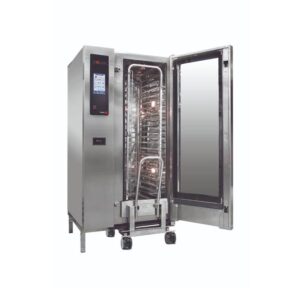
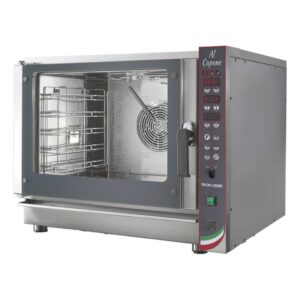
Combi Ovens – Often GN 1/1 or GN 2/1 tray compatible.
Convection Ovens – May use half sheet, full sheet, or GN sizes.
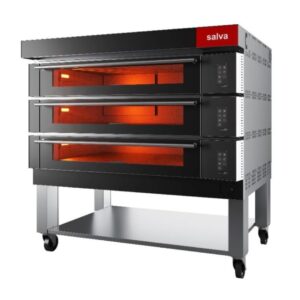
Deck Ovens – Typically designed for full sheet bakery trays (600 × 400 mm).
Blast Chillers – Sized for GN or bakery trays for rapid cooling.
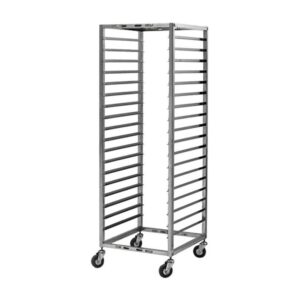
Bakery & Pastry Racks – Hold multiple full-size trays for batch work.


Use Cases in Australian Hospitality
Bakeries & Patisseries – Bread, pastries, croissants, slices.
Cafés & Coffee Shops – Muffins, cookies, roasting small portions.
Restaurants & Pubs – Roasting meat, seafood, vegetables.
Catering Businesses – Transporting and reheating dishes.
Hotels & Function Centres – Banquet roasting, buffet prep.
Butchers & Delis – Cooking or marinating meat cuts.
Pizzerias – Deep-pan or Sicilian-style pizzas.
How to Choose the Right Baking Tray
When buying baking trays for your commercial kitchen:
Check your oven size – confirm rail spacing and tray depth allowance.
Match depth to dish type – shallow for baking, deeper for roasting.
Choose the right material – aluminium for baking speed, stainless for longevity.
Think about cleaning – stainless steel can take harsher cleaning, non-stick needs care.
Consider volume – stackable trays save space; perforated trays speed up crisping.
Choosing the right baking trays isn’t just about size — it’s about finding the perfect fit for your equipment, menu, and workflow. The right tray can speed up service, improve consistency, and make cleaning up a breeze. Whether you’re running a high-volume bakery, a bustling café, or a busy restaurant kitchen, investing in quality baking trays will pay off every single day.
At BENDGS Commercial Kitchen Equipment, we don’t just sell baking trays — we help Australian bakeries, cafés, restaurants, and catering businesses choose the right trays for their ovens, menus, and workflow.
Our range includes:
Commercial baking trays in bakery and GN sizes
Matching racks, trolleys, and oven accessories
Heavy-duty stainless steel and lightweight aluminium trays for every application
Silicone baking mats and liners to protect trays and improve bake quality
Commercial ovens — combi, convection, and deck ovens — that perfectly fit our trays
With fast Australia-wide delivery, competitive pricing, and expert advice, we make sure you get the right gear first time — so you can focus on baking, roasting, and serving with confidence.