

Key Components of a Commercial Dishwasher
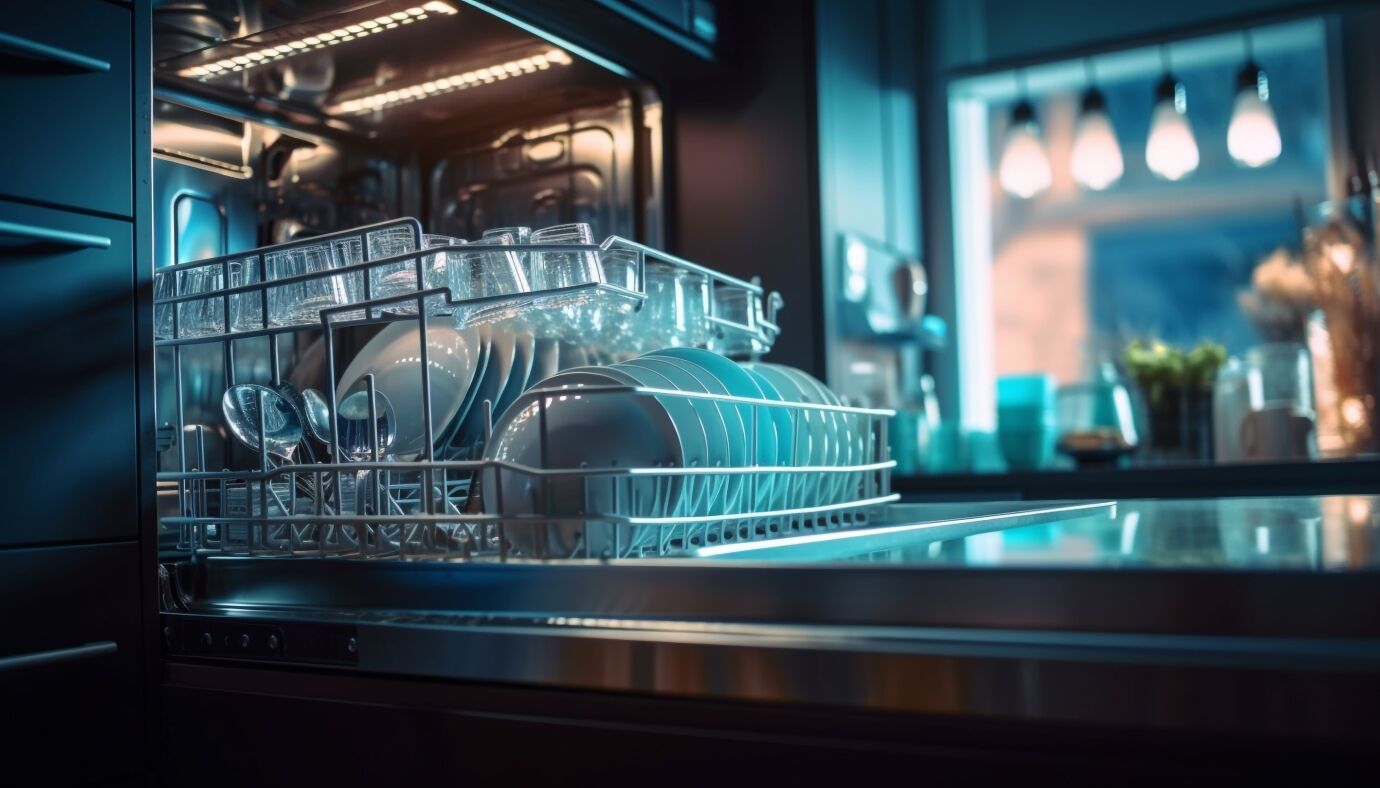
When hospitality professionals research commercial dishwashers, they’re looking for more than just competitive pricing. Performance, durability, hygiene compliance, and running costs are all critical considerations. Understanding the internal components of a commercial dishwasher is essential for making an informed investment—one that supports reliable, high-volume service.
This guide outlines the essential components of a commercial dishwasher and explains how each contributes to effective operation in demanding commercial environments such as restaurants, cafés, and bars.
Table of Contents
1. Wash Pump: The Engine Behind Every Cycle

The wash pump is the powerhouse of any commercial dishwasher. Its primary function is to circulate water at high pressure through spray arms to remove grease, food particles, and stubborn residue.
Why it matters:
Stronger pressure ensures superior cleaning performance
Efficient removal of baked-on or dried food debris
Designed for continuous operation during peak service hours
High-quality units are equipped with heavy-duty pumps that maintain optimal pressure even under intense workloads.
2. Spray Arms: Ensuring Full Coverage
Wash and rinse arms distribute water throughout the machine to reach all surfaces of dishes, glassware, and utensils. Typically constructed from stainless steel or reinforced plastic, they are built to withstand frequent use and high temperatures.
Advantages:
Uniform water distribution for consistent cleaning
Eliminates “dead zones” within the wash chamber
Easily removable for cleaning and maintenance in premium models
3. Heating Element: Critical for Sanitation
A commercial dishwasher must maintain high water temperatures to meet hygiene standards. The heating element raises water temperature during both the wash and rinse cycles.
Typical temperature ranges:
Wash cycle: 60–65°C
Final rinse: 82–90°C (to achieve sanitisation)
A robust heating element ensures effective sanitation, even during short or rapid cycles.
4. Rinse Booster Heater: Consistent High-Temperature Rinsing
This dedicated heating unit ensures that rinse water reaches the required sanitising temperature—regardless of the temperature of the incoming water supply.
Key benefits:
Ensures food safety compliance
Speeds up recovery time between cycles
Provides consistent results during peak service times
This component is particularly valuable in high-turnover venues such as cafés, fast-paced restaurants, and bars.
5. Detergent and Rinse Aid Dispensers: Precision Chemical Delivery
Automatic chemical dispensers ensure accurate dosing of detergent and rinse aid in every cycle. This not only improves cleaning results but also reduces waste.
Benefits include:
Consistent hygiene and spot-free drying
Reduced chemical usage and lower operating costs
Simplified operation and staff training
Many modern units come with integrated dispensers to streamline the workflow.
6. Filters and Drainage System: Protecting the Machine and Results
Filters trap food scraps and prevent them from re-circulating through the system. A well-designed drain system complements the filters by efficiently removing wastewater after each cycle.
Features to look for:
Removable filters for quick cleaning
Capacity to handle heavy food debris
Protection for internal components, extending machine lifespan
7. Control Panel and Electronics: User-Friendly Operation
he control interface governs all dishwasher functions. Today’s commercial dishwashers often feature intuitive digital panels with programmable wash cycles.
Common features:
One-touch cycle start
Real-time temperature displays
Maintenance or error alerts
Clear controls reduce training time and improve operational efficiency.
8. Stainless Steel Tank and Cabinet: Durability and Hygiene
Most commercial dishwashers feature both internal wash tanks and external cabinets made from food-grade stainless steel, known for its resilience and ease of cleaning.
Why it’s important:
Long-lasting performance under heavy use
Resistant to corrosion and harsh chemicals
Easy to maintain hygiene standards
Thicker gauge steel is typically a sign of higher build quality.
9. Door and Safety Mechanisms: Operator Protection
While not standard on all models, some commercial dishwashers include built-in drying systems—either residual heat or fan-assisted. These are especially useful in front-of-house operations or for glassware.
Advantages:
Reduced manual drying time
Faster service turnaround
Improved clarity and presentation of glassware
10. Drying Systems: Faster Turnaround and Better Presentation
Choosing a commercial dishwasher with the right internal components can significantly impact your operation’s efficiency, hygiene standards, and long-term costs. A well-informed purchase ensures:
More accurate model comparisons beyond upfront cost
Better alignment with service volume and kitchen layout
Reduced risk of breakdowns and performance issues
A sound investment in your business’s long-term reliability
Why Understanding Components Matters
Commercial units incorporate safety switches that immediately halt operation if the door is opened mid-cycle. These features are essential for protecting staff from hot water and steam.
Key design elements:
Secure door seals to prevent leaks
Smooth-opening mechanisms for quick loading/unloading
Balanced hinges for frequent, repeated use
Final Buying Tips for Australian Operators
Before selecting a commercial dishwasher, consider the following practical factors:
Daily volume of dishes
Available space, water, and power supply
Ease of cleaning and maintenance
Warranty coverage and local parts availability
A quality commercial dishwasher is more than a utility—it’s a workhorse that can improve staff productivity, enhance hygiene, and support consistent service. Choose wisely, and it will pay dividends every shift.


