
Is Your Commercial Fridge Failing? Repair vs Replace Guide
In any Australian hospitality business, your commercial fridge is not just another appliance. It is the backbone of food safety, service speed and daily operations. From cafés opening at dawn to restaurants pushing through late-night service, a commercial fridge works nonstop in hot kitchens, cramped prep areas and high-traffic environments.
When a fridge starts showing signs of failure, the question is never if it should be fixed, but whether it should be repaired or replaced. Make the right decision, and you protect your stock, your staff and your reputation. Make the wrong one, and you risk breakdowns during service, spoiled food, emergency call-outs and lost revenue.
This guide is written specifically for Australian commercial kitchens, drawing on real-world conditions such as high ambient temperatures, long operating hours and rising energy costs. We will walk through warning signs, repair scenarios, replacement indicators, cost comparisons and long-term efficiency considerations so you can make a confident, informed decision.
Why Commercial Fridge Failures Cost More Than You Think
A failing commercial fridge is rarely just a mechanical issue. The true cost often includes:
Lost or spoiled stock
Emergency technician call-out fees
Service disruption during peak trade
Food safety compliance risks
Higher energy bills
Staff downtime and stress
Unlike domestic fridges, commercial units are expected to maintain stable temperatures in environments that regularly exceed 30°C, often with doors opening hundreds of times per day. When performance starts to slip, problems escalate quickly.
That is why recognising early warning signs and acting early is critical.
5 Clear Warning Signs Your Commercial Fridge Needs Attention
1. Excessive Frost or Ice Build-Up
Ice forming on the back wall, evaporator coils or internal panels is a clear indicator that your fridge is no longer operating efficiently.
In Australian kitchens, this is often caused by:
Worn or cracked door seals allowing humid air inside
Faulty defrost timers or sensors
Doors being left open during service
Poor ventilation around the unit
Excess ice restricts airflow, forcing the compressor to work harder and increasing energy consumption. Left unchecked, this can lead to complete system failure.
When repair makes sense:
If the issue is limited to door gaskets or a defrost component, repairs are usually straightforward and cost-effective.
When replacement should be considered:
If ice build-up keeps returning despite repairs, it often signals a deeper system imbalance or ageing refrigeration circuit.

2. Inconsistent or Fluctuating Temperatures
A fridge that cannot maintain a stable temperature is a food safety liability.
Common signs include:
Milk feeling warm in the morning
Produce freezing near the vents
Digital displays showing temperature swings
Frequent alarms or manual adjustments
Temperature instability can be caused by blocked airflow, failing thermostats, low refrigerant levels or compressor fatigue.
Repair option:
Blocked vents, sensors or thermostats can usually be repaired affordably.
Replace option:
If temperature instability persists across multiple repairs, especially in older units, replacement is often the safer long-term solution.

3. Strange or Unusual Noises
Commercial fridges are not silent, but they should not be loud or alarming.
Warning noises include:
High-pitched screeching
Repeated clicking
Loud banging or knocking
Sudden changes in sound level
These noises typically indicate stress on mechanical components such as fan motors or compressors.
Repair option:
Loose components or fan motors may be repairable if caught early.
Replace option:
A noisy compressor nearing failure is rarely worth repairing, especially in older units.

4. Water Leaks and Condensation Problems
Water pooling around your fridge is more than a nuisance. It creates slip hazards and often points to internal drainage or condensation issues.
Common causes include:
Blocked drain lines
Cracked drain pans
Excess humidity infiltration
Defrost system malfunctions
Repair option:
Drain blockages are often simple fixes.
Replace option:
Persistent leaks often indicate structural or insulation failure, which is rarely economical to fix.

5. Rising Power Bills Without Operational Changes
One of the most overlooked warning signs is a steady increase in electricity costs.
As fridges age:
Compressors lose efficiency
Condenser coils struggle with heat rejection
Refrigerant systems require longer run times
If your energy bills are rising without longer trading hours or menu changes, your fridge may be costing you money every day it stays in service.

Repair or Replace?
Repair the Fridge If
The unit is under 5 years old
Repair costs are less than 30 percent of replacement cost
The fault is limited to consumable or serviceable parts such as:
Door seals
Fan motors
Thermostats
Sensors
Drain components
In these cases, a repair can extend the unit’s life with minimal risk.
Replace the Fridge If
The unit is over 5 to 8 years old
Breakdowns are becoming frequent
The compressor has failed
Energy efficiency has significantly declined
Food safety reliability is compromised
- Found leaks more than twice in a short period of time
A compressor replacement can cost a large percentage of a new fridge while still leaving you with an ageing cabinet and insulation.
Why Compressor Failure Is Usually the End Point
The compressor is the heart of your commercial fridge. Once it fails, replacement often triggers a cascade of additional issues.
Key considerations:
Compressor replacement costs are high
Older systems use outdated refrigerants
Insulation degradation cannot be fixed
Warranty on repaired compressors is limited
In most cases, replacing the fridge delivers better long-term reliability and lower operating costs.

The Energy Efficiency Factor in Australia
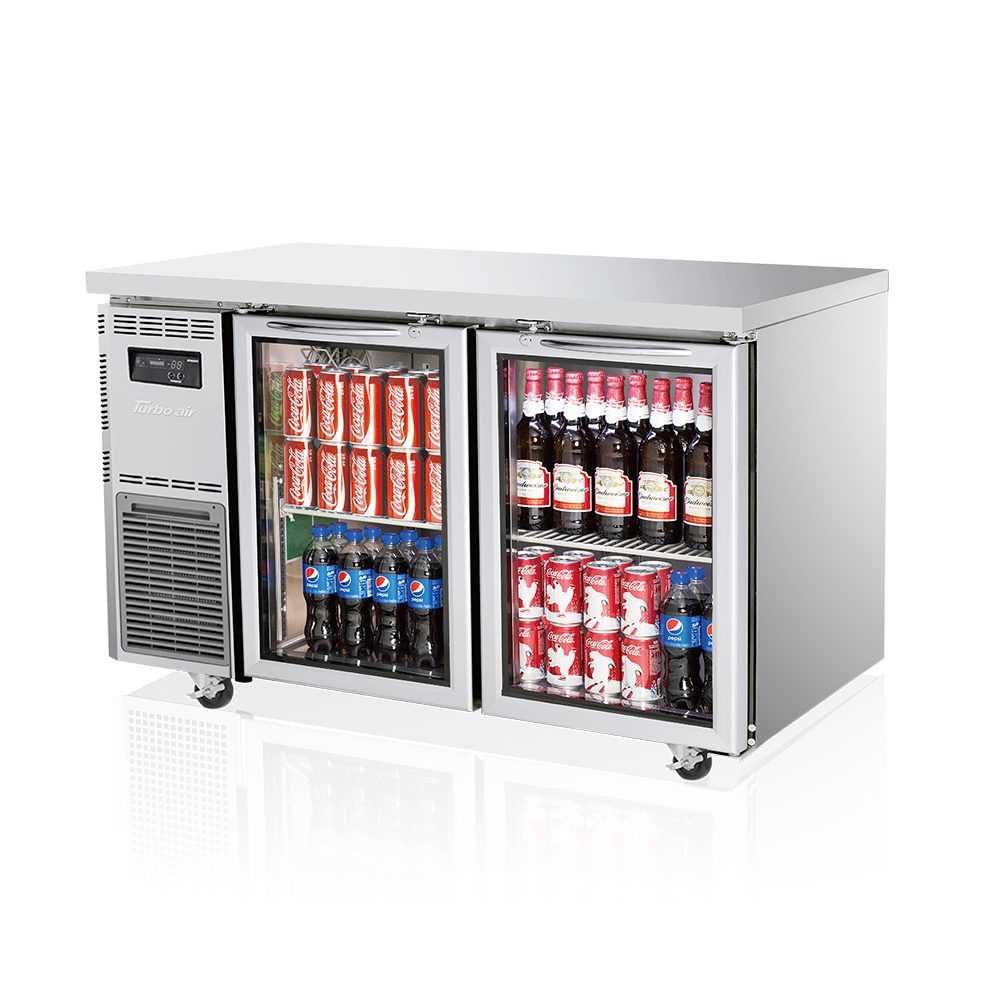
Energy costs in Australia continue to rise, making refrigeration efficiency more important than ever.
Modern commercial fridges using R290 natural refrigerant offer:
Lower power consumption
Faster pull-down times
Reduced compressor strain
Compliance with environmental standards
Older fridges using legacy refrigerants often cost hundreds of dollars more per year to run.
Over a 3- to 5-year period, energy savings alone can justify replacement.
The Hidden Cost of Emergency Breakdowns
Emergency refrigeration failures rarely happen at convenient times.
They usually occur:
During peak service
On weekends
During heatwaves
When technicians are hardest to book
Emergency call-outs, lost stock and interrupted service often exceed the cost of a planned replacement.
Proactive replacement allows:
Planned delivery and installation
Minimal downtime
Better cash-flow control
Improved staff confidence
Pro Tip: The Monthly Maintenance Habit That Saves Thousands
The single most effective way to extend fridge life is monthly condenser coil cleaning.
Dirty coils:
Trap grease and dust
Prevent heat dissipation
Force compressors to overwork
Accelerate component failure
Vacuuming coils once a month can:
Reduce power consumption
Extend compressor life
Prevent sudden breakdowns
This simple task is responsible for preventing the majority of refrigeration failures we see.
When Replacement Makes Business Sense
Replacing a commercial fridge is not just about avoiding failure. It is about upgrading performance.
Modern fridges offer:
More usable internal space
Better airflow design
More accurate temperature control
Lower noise levels
Improved reliability in high-heat kitchens
For growing venues, replacement often improves workflow, not just refrigeration.
Choosing the Right Replacement Fridge
When replacing a fridge, consider:
Cabinet size and layout
Ambient temperature rating
Door configuration
GN compatibility
Compressor location
Energy efficiency rating
Buying the right unit once is far cheaper than buying the wrong one twice.
To Sum Up
A failing commercial fridge always gives warning signs. The businesses that act early save money, protect stock and avoid chaos.
If your fridge is showing repeated faults, rising energy costs or temperature instability, it may already be costing you more than you realise.
Need Help Deciding?
If you are unsure whether to repair or replace your commercial fridge, Bens Hospitality Equipment can help you assess your options honestly and practically.
Call our team on 1300 434 125 or browse our Commercial Fridge Collection and Freezers to find a reliable, energy-efficient solution for your kitchen.