Complete Guide to Opening a Restaurant in Australia: Checklist for Success
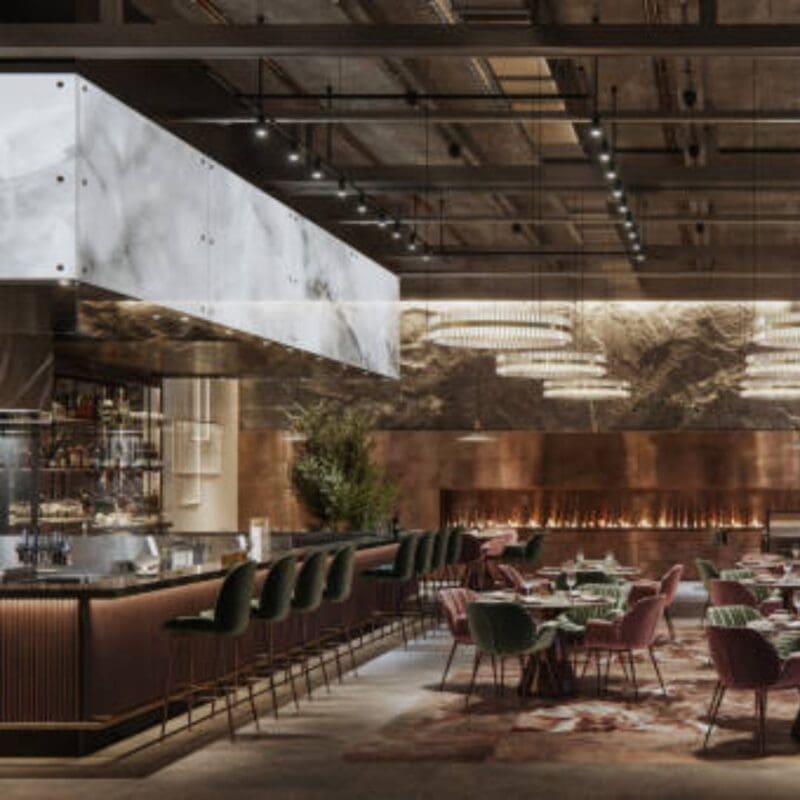
Opening a restaurant in Australia can definitely be profitable, but success depends heavily on planning, location, and execution. Australians love dining out — whether it’s grabbing a coffee and breakfast at a local café, enjoying lunch on the go, or treating themselves to dinner with friends. The hospitality sector continues to grow, and Australians spend billions each year on food and drink away from home. That creates strong opportunities, but also stiff competition.
Having said that, starting a restaurant is one of the most exciting ventures in the hospitality industry, but it’s also one of the most complex. From creating a menu and hiring the right team to ensuring compliance with local regulations and fitting out your kitchen with the right equipment, there are dozens of steps involved before you can serve your first dish. This guide breaks down the full process so you can approach your restaurant launch with confidence.
Table of Contents
Business Planning and Licences
Every successful restaurant begins with a carefully considered business plan. This is your roadmap and should include your restaurant concept, target audience, menu ideas, budget, and projected revenue. Decide what type of establishment you want to open — whether it’s a casual café, fine dining restaurant, takeaway shop, or a family-style venue — and align it with the demographics and demand in your chosen location. For example, a busy city area might suit a fast-casual eatery, while a suburban community could be ideal for a family-friendly restaurant. Your business plan should also include competitor analysis, staffing needs, marketing strategies, and financial forecasting so you have a clear vision of both challenges and opportunities.
Once your concept is clear, it’s time to tackle the legal and compliance side of setting up. The first step is business registration. You’ll need to apply for an Australian Business Number (ABN), register your trading name with ASIC, and decide on a business structure (sole trader, partnership, or company). Each structure has different tax and legal implications, so it’s often worth seeking advice from an accountant before registering.
Next are licences and permits, which are crucial in hospitality. Every restaurant in Australia must be registered as a food business with the local council, and inspections will take place before you open to ensure you meet health and safety standards. If you plan to serve alcohol, you’ll need to apply for a liquor licence through your state’s liquor and gaming authority. If your restaurant plays background music, you’ll also need music licensing through APRA AMCOS. Other possible permits include outdoor dining permits (for footpath seating) and signage approvals.
Insurance is another non-negotiable element of planning. At minimum, you’ll need public liability insurance to protect against accidents involving customers, workers’ compensation insurance for staff, and equipment or property insurance to cover your kitchen investment. Many landlords will also require you to have insurance before signing a lease.
Finally, you’ll need to comply with Food Safety Standards. Under FSANZ (Food Standards Australia New Zealand) guidelines, restaurants are required to appoint a certified Food Safety Supervisor. This role ensures that correct procedures are followed for food storage, preparation, hygiene, and record keeping. Most councils won’t approve your business registration without proof of a Food Safety Supervisor certificate, so this should be organised early in your planning.
Creating Your Menu
Your menu is the foundation of your restaurant. It not only defines what you’ll serve but also determines your kitchen layout, staffing requirements, and equipment list. A well-designed menu strikes a balance between creativity and practicality. On one hand, it should showcase unique dishes that reflect your concept and make your restaurant or café stand out in a competitive market. On the other hand, it must be executable by your kitchen team consistently, even during peak service hours. Complicated dishes that are difficult to replicate can cause delays and quality issues, while a streamlined menu with well-chosen items keeps service smooth and reliable.
Costing and margins are one of the most important factors in menu planning. Every dish should be carefully costed to maintain profitability, aiming for a food cost percentage of around 30–35%. For example, if a pasta dish costs $5 in ingredients, it should retail for at least $15–17 to cover wages, overheads, and profit. Including high-margin items like beverages, sides, and desserts can also lift profitability without adding much extra labour. Smart menu design often involves highlighting these high-margin items in prime spots on the menu to encourage customer choice.
Sourcing ingredients is equally critical. Building relationships with local suppliers gives you access to fresh, seasonal produce while reducing reliance on imports. This not only improves food quality but can also lower costs and appeal to customers who value sustainability. Many successful Australian restaurants rotate seasonal dishes to take advantage of what’s fresh and affordable throughout the year.
Your menu will also dictate the equipment you need in your kitchen. For example, if you’re opening a pizza restaurant, you’ll require pizza prep fridges for toppings and dough, and a reliable pizza oven to handle volume. If you’re planning a dessert bar or café, cake display fridges and gelato freezers will keep your products fresh while presenting them attractively to customers. An Asian fusion restaurant may need high-output gas burners for woks and noodle cookers to keep pace with demand. Even something as simple as deciding whether you’ll serve fresh juice, smoothies, or cocktails will affect whether you need commercial blenders.
Beyond ingredients and equipment, your menu also influences staffing needs. A fine-dining restaurant with complex dishes will require skilled chefs and possibly a pastry team, while a casual café with a simpler menu can run with fewer kitchen staff. The level of prep involved also impacts how you structure shifts — menus heavy on scratch cooking need more prep time and staff hours compared to venues that use partially prepped or pre-portioned items.
In short, your menu is more than just a list of dishes — it’s a roadmap that guides your entire business setup. The food you choose to serve dictates your kitchen design, the equipment you invest in, the staff you hire, and even the suppliers you partner with. Getting the menu right at the planning stage sets you up for smoother operations and a more profitable restaurant in the long run.
Shop Fitting and Layout
Your restaurant space needs to look appealing for customers while remaining highly functional for staff. Shopfitting goes well beyond choosing décor — it involves flooring, lighting, signage, plumbing, electrical works, ventilation, and kitchen extraction systems. Each decision impacts both the customer experience and the efficiency of your kitchen operations.
In the front of house, design your dining area to create comfort and flow. Consider table spacing carefully to maximise covers without making the space feel cramped. Lighting should be adjustable to create ambience throughout the day — brighter for breakfast and lunch service, softer and warmer for dinner. Acoustics are often overlooked, but controlling noise with sound-absorbing materials makes the space more pleasant for diners. Décor should align with your restaurant’s concept, whether it’s a sleek modern café, a rustic bistro, or an upscale dining venue. Clear signage and attractive displays also help guide customers and promote your brand identity.
In the back of house, efficiency is everything. The kitchen layout should minimise wasted movement so chefs and staff can work quickly during busy service. Place underbench fridges close to prep benches for easy access to fresh ingredients. Cooklines should be designed with workflow in mind, with combi ovens and deep fryers positioned for smooth handovers between stations. Ventilation is critical — commercial exhaust hoods and extraction systems must be powerful enough to remove heat, smoke, and grease, keeping the kitchen safe and comfortable for staff while complying with regulations. Stainless steel benches, shelving, and sinks not only meet hygiene requirements but also provide durability and easy cleaning.
Finally, compliance is a major part of shop fitting in Australia. All fit-outs must meet Australian Standards for fire safety, hygiene, accessibility, and disability access. This includes installing fire extinguishers, emergency exits, slip-resistant flooring, and ensuring the venue is wheelchair accessible. Your local council will inspect your venue before opening, so it’s vital to work with licensed shopfitters who understand hospitality requirements and can deliver a space that passes health and safety inspections.
Hiring, Training and Retaining Staff
Your staff are the face of your restaurant, and the team you build can ultimately make or break your success. Hiring isn’t just about filling positions, but it’s about creating a culture that reflects your brand values and delivers consistent customer experiences. A restaurant with average food but outstanding service often thrives, while even the best food can’t make up for poor customer care.
Every restaurant needs to cover key roles. At the top of the kitchen hierarchy is the head chef, who manages the menu, supervises the kitchen brigade, and ensures consistency in food quality. Supporting roles include sous chefs, line cooks, and kitchen hands who keep prep and cleaning flowing smoothly. In the front of house, you’ll need waitstaff to deliver customer service, baristas or bartenders for beverages, and a restaurant manager or floor manager to coordinate staff and oversee operations. Depending on your concept, you may also require specialised staff like pastry chefs, sommeliers, or catering staff.
When it comes to recruitment, look for more than just technical ability. Skills can often be trained, but attitude, reliability, and cultural fit are harder to instill. Staff who align with your work ethic and hospitality vision will help create a cohesive team. Use trial shifts and practical assessments to test both skill level and how candidates handle pressure. Keep in mind that the hospitality industry in Australia is competitive, so offering fair pay, clear expectations, and an engaging work environment will help attract quality candidates.
Training is critical to maintaining consistency across shifts. Every staff member should undergo induction training that covers food safety, hygiene, safe equipment use, and customer service standards. For kitchen staff, this may include proper handling of commercial equipment like combi ovens or deep fryers. For front-of-house staff, training should include order-taking systems, upselling techniques, and managing dietary requests. Regular refresher training also helps maintain high standards.
By law in most states, restaurants must appoint a Food Safety Supervisor. This person is responsible for ensuring compliance with food safety regulations, including proper food storage, temperature monitoring, cleaning procedures, and staff training. Certification courses are widely available and essential to avoid fines or shutdowns during council inspections.
Finally, staff retention is one of the biggest challenges in hospitality. Long hours, weekend shifts, and high pressure can lead to turnover if not managed well. To keep your best staff, create a positive workplace culture with fair rosters, clear communication, and opportunities for growth. Simple practices like recognising hard work, offering training for promotions, and fostering teamwork go a long way. Restaurants that invest in staff wellbeing often see reduced turnover and stronger customer loyalty, since regular customers build relationships with familiar faces.
Financial Planning
Strong financial planning is one of the most important foundations of a profitable restaurant. Many businesses in the hospitality industry fail not because of a lack of customers, but because of poor budgeting and underestimating costs. When planning your restaurant, it’s essential to create a clear budget that covers all upfront expenses, ongoing operating costs, and a buffer for unexpected challenges.
Start with your fit-out and renovation costs. This includes everything from flooring, lighting, plumbing, ventilation, signage, and seating to custom shopfitting for both the kitchen and front of house. Fit-outs are often one of the biggest upfront costs, and expenses can vary significantly depending on your concept — a small casual café will cost much less to set up than a full-service fine-dining venue. Always get multiple quotes from licensed contractors and factor in council approvals or compliance costs.
Next, consider your lease and bond. Location is critical, but prime areas in cities like Sydney and Melbourne come with higher rent. On top of monthly rent, most landlords require a security bond (often three months’ rent upfront). Lease agreements should be carefully reviewed for terms such as rent increases, outgoings, and duration, as these can significantly affect long-term financial viability.
Licensing and permits are another area to budget for. Depending on your restaurant, you may need food business registration, council health permits, liquor licensing, and even music or outdoor dining permits. Fees vary by state and local council, and delays in approval can also impact your opening timeline.
Your largest investment will often be equipment and furniture. This includes commercial refrigeration, cooking equipment, dishwashers, stainless steel benches, and front-of-house items like display fridges. Don’t forget tables, chairs, bar stools, and décor — the customer experience depends on more than just what’s happening in the kitchen.
You’ll also need to purchase initial food and beverage stock before opening. This includes dry goods, fresh produce, meat, seafood, beverages, and alcohol if you’re licensed. Having reliable supplier relationships ensures consistent quality and pricing, but you’ll need cash flow to pay upfront invoices in those first few weeks.
Staff wages and training are a major ongoing expense. Australian hospitality businesses must comply with award wages, superannuation, and penalty rates for weekends or public holidays. In addition to wages, factor in recruitment costs, onboarding, and training programs to prepare your team for service.
Marketing should not be overlooked. Allocate a budget for branding, website development, social media marketing, local advertising, and launch promotions. A well-executed marketing campaign before and after opening can drive foot traffic and build awareness quickly.
Finally, always include a contingency fund of at least 10–15% of your total budget. Unexpected costs are almost guaranteed — delays in construction, council requirements, equipment upgrades, or supplier shortages can all impact your opening and cash flow. Having a buffer ensures these challenges don’t derail your launch.
Local Regulations and Compliance
Operating a restaurant in Australia means working within a strict regulatory framework designed to protect customers, staff, and the wider community. Compliance is not optional — it’s a legal requirement, and failing to meet these standards can result in fines, temporary closures, or even permanent shutdowns. Understanding the regulations early in your planning helps you avoid costly mistakes and ensures your business is set up for long-term success.
The first and most important area is food standards. All restaurants must comply with the Food Standards Code set by Food Standards Australia New Zealand (FSANZ). These guidelines cover everything from safe food storage temperatures, cross-contamination prevention, and cooking requirements to labelling and allergen management. For example, freezers must keep food at or below –18°C, while fridges must hold at or below 5°C. Staff must be trained in proper handwashing, cleaning, and food handling techniques. Most councils also require that at least one staff member be a certified Food Safety Supervisor, responsible for ensuring these practices are followed.
Restaurants should also expect health inspections by local council environmental health officers. These visits can be scheduled or unannounced, and inspectors typically review cleanliness, food storage practices, equipment maintenance, pest control, staff hygiene, and record keeping. Maintaining accurate temperature logs for refrigeration and freezers, and ensuring all equipment (such as commercial fridges and dishwashers) is operating correctly, helps you stay compliant during inspections.
Fire safety is another critical compliance requirement. Australian Standards and local fire regulations require restaurants to install and maintain fire extinguishers, fire blankets in kitchen areas, smoke detectors, and in some cases sprinkler systems. Emergency exit signage must be visible, and evacuation routes must remain unobstructed. Your fit-out should also include a commercial-grade exhaust hood and fire suppression system above cooking equipment such as deep fryers and gas cooktops. Regular servicing of fire equipment is mandatory, and failure to comply can result in immediate closure.
Another key area is accessibility. Under the Disability Discrimination Act 1992, dining areas must be accessible to people with disabilities. This includes wheelchair-friendly entrances, ramps where needed, adequate doorway widths, and accessible toilets. Tables should be arranged to allow clear pathways, and signage should be easy to read. Creating an inclusive environment not only meets legal requirements but also ensures all customers feel welcome.
Additional compliance areas include waste management, liquor licensing, and employment law. Waste must be disposed of correctly, with separate bins for general waste, recycling, and grease trap management. If you serve alcohol, you’ll need a liquor licence from your state authority, along with staff who have completed Responsible Service of Alcohol (RSA) training. Employers must also comply with Fair Work Australia’s standards on wages, penalty rates, superannuation, and safe working conditions.
Marketing and Branding
Even the best food won’t bring customers through the door if people don’t know your restaurant exists. A successful launch and long-term growth depend on building a strong, consistent brand and a smart marketing strategy. Marketing in hospitality isn’t just about advertising; it’s about telling your story, attracting your target audience, and building trust so customers return again and again.
Branding is your starting point. It includes more than just a logo. It’s the complete identity of your restaurant. Your logo, signage, menus, décor, and even staff uniforms should all reflect your concept and create a consistent experience. For example, a rustic Italian trattoria might use earthy colours and warm tones, while a modern Japanese fusion restaurant could focus on clean, minimalist design. Consistency across branding builds recognition and makes your venue memorable.
Your digital presence is equally critical in today’s restaurant landscape. At a minimum, you need a mobile-friendly website that clearly lists your menu, opening hours, location, and contact details. Setting up a Google Business Profile ensures your restaurant appears in local searches and Google Maps, especially when people search for terms like “restaurant near me”. Make sure your business profile includes photos of your food and fit-out, as these influence customer decisions as much as reviews.
Social media platforms such as Instagram, Facebook, and TikTok are powerful tools for showcasing your restaurant. High-quality food photography, behind-the-scenes kitchen stories, staff introductions, and short videos can generate excitement and build a loyal following before you even open your doors. Social media also gives you a direct way to engage with customers, answer questions, and create hype around specials or events.
When it comes to promotions, think beyond discounts. For your opening, you could offer free tastings, two-for-one deals, or a soft launch event for locals and influencers. Longer term, consider loyalty programs to encourage repeat visits, or partner with food delivery platforms like Uber Eats, DoorDash, and Menulog to expand your reach. Seasonal promotions like summer drink specials or winter comfort food nights also keep your menu relevant and drive traffic.
Finally, reputation management can make or break a restaurant. Online reviews on Google, TripAdvisor, and Zomato are often the first thing customers see. Encourage satisfied customers to leave positive reviews, and always respond to feedback professionally — whether it’s good or bad. A quick, polite response to a negative review can actually improve your reputation, showing potential diners that you care about service and customer satisfaction.
Equipment Checklist
No restaurant can operate without the right equipment. Choosing reliable, commercial-grade appliances ensures smooth service, compliance with food safety standards, and the ability to keep up with customer demand. Here’s a detailed breakdown of the must-have equipment categories to consider when setting up your restaurant.
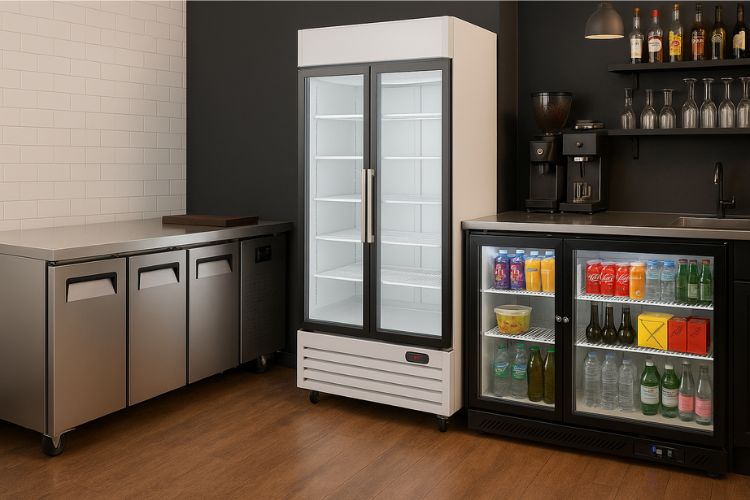
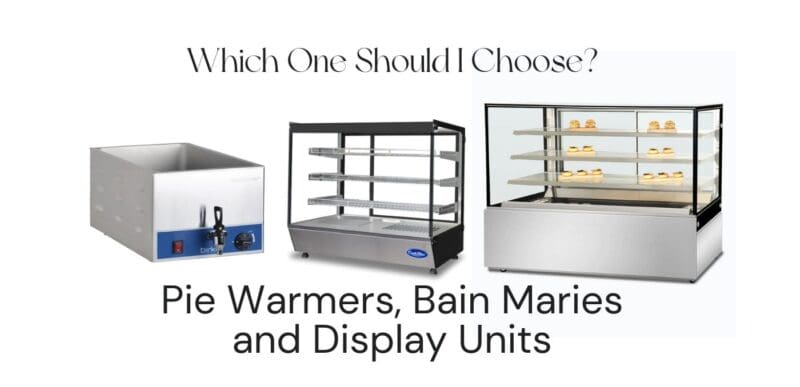
Refrigeration is one of the most important investments. Upright fridges and underbench freezers provide bulk storage for meats, seafood, dairy, and prepped ingredients, making them essential in back-of-house kitchens. Prep fridges are ideal for pizzerias, sandwich shops, and any venue that needs chilled ingredients within arm’s reach during service. For front-of-house, cake display fridges and open display fridges allow you to present desserts, drinks, and ready-to-go meals attractively while keeping them at safe serving temperatures. Reliable refrigeration doesn’t only protect food, but it also boosts sales when used as a merchandising tool.
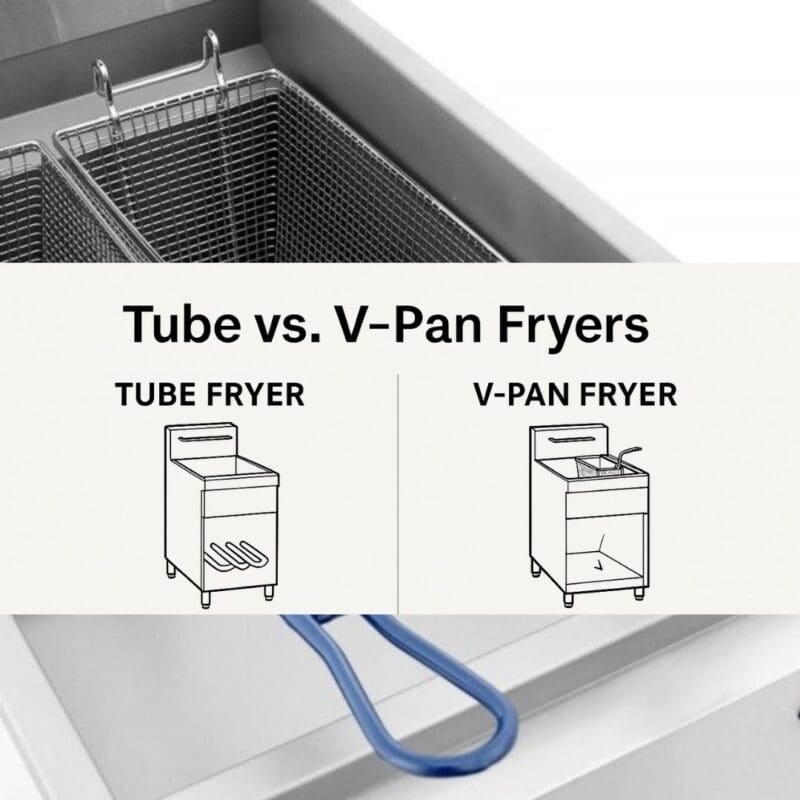
Cooking equipment depends on your menu, but every commercial kitchen needs a strong backbone of versatile appliances. Combi ovens are a must-have for modern restaurants, combining steaming, baking, and roasting functions in one unit. Deep fryers are staples for fast-service kitchens, producing chips, fried entrées, and sides at volume. For pizza-focused venues, reliable pizza ovens — whether deck or conveyor — ensure speed and consistency. Meanwhile, salamanders and grills are perfect for finishing dishes, grilling proteins, or quickly toasting bread. When designing your cookline, consider volume, menu variety, and ventilation requirements to choose the right mix of equipment.
Commercial dishwashers are critical for hygiene and operational flow. Underbench dishwashers suit smaller kitchens or bars with limited space, while pass-through dishwashers are ideal for medium to high-volume restaurants where speed is essential. Larger operations, like hotels or food courts, may even require conveyor dishwashing systems. For venues serving high volumes of drinks, glasswashers are invaluable, ensuring bar glassware is cleaned quickly and to the highest standard. Choosing the right dishwasher helps maintain hygiene compliance while reducing staff workload.
Food preparation & Beverage equipment saves time and improves consistency in the kitchen. Mixers — spiral or planetary — are essential for bakeries, pizzerias, or any kitchen working with dough or batters. Meat slicers are perfect for delis, sandwich shops, and restaurants that need precision-cut charcuterie or proteins. Blenders are versatile tools for creating smoothies, soups, sauces, and cocktails. Investing in durable prep equipment ensures consistency, efficiency, and professional results across all menu items.
Finally, no kitchen is complete without stainless steel benches and sinks. These form the backbone of your workflow, providing hygienic, durable, and easy-to-clean surfaces for prep, plating, and washing. Stainless steel also meets Australian food safety standards, making it a non-negotiable choice for any compliant kitchen setup.
Is Opening a Restaurant in Australia Profitable?
The short answer is: yes, it can be — but it depends heavily on planning, location, and execution.
On average, restaurant profit margins in Australia sit between 5% and 15%, depending on the concept and how well costs are managed. Cafés and quick-service restaurants usually have faster turnover but smaller margins per sale, while fine dining venues often have higher margins but lower overall volume. The most profitable operators keep their food costs in the 30–35% range, labour costs around 25–30%, and watch their overheads carefully to protect margins.
Several key factors drive profitability. Location is critical — a restaurant in Sydney CBD or a Melbourne laneway may pay higher rent but benefits from stronger foot traffic compared to suburban venues. A well-designed menu also matters, balancing customer favourites with high-margin items such as drinks, sides, and desserts. Efficient commercial refrigeration and cooking equipment can cut running costs, while strong staff management keeps wage expenses under control. Building a loyal customer base through consistent service, strong branding, and active social media presence is another proven path to long-term profitability.
Of course, there are challenges. High city rents, fluctuating supply costs, and the need to comply with strict health, safety, and licensing requirements all add pressure. Competition is also fierce, with Australia having one of the highest café and restaurant densities in the world. Many restaurants that fail do so because they underestimate their ongoing costs or overestimate demand.
The bottom line is that opening a restaurant in Australia can be profitable, but only with careful planning and smart execution. Operators who start with a clear concept, invest in reliable commercial kitchen equipment, manage costs tightly, and focus on customer loyalty are the ones most likely to succeed.
To Sum Up
Before your grand opening, run a soft launch with limited guests. This allows you to test staff, kitchen workflow, and menu timing under real conditions. Gather feedback and refine operations before officially opening to the public.
Opening a restaurant in Australia is a big undertaking, but with the right planning, team, and equipment, it can be a rewarding venture. From menus and staffing to compliance and fit-out, every step matters. At BENDGS, we’re here to help with the most important part — ensuring your kitchen has the right commercial refrigeration, cooking equipment, and dishwashers to set you up for long-term success.
Explore our full range of Restaurant Equipment today and let’s help bring your concept to life.