
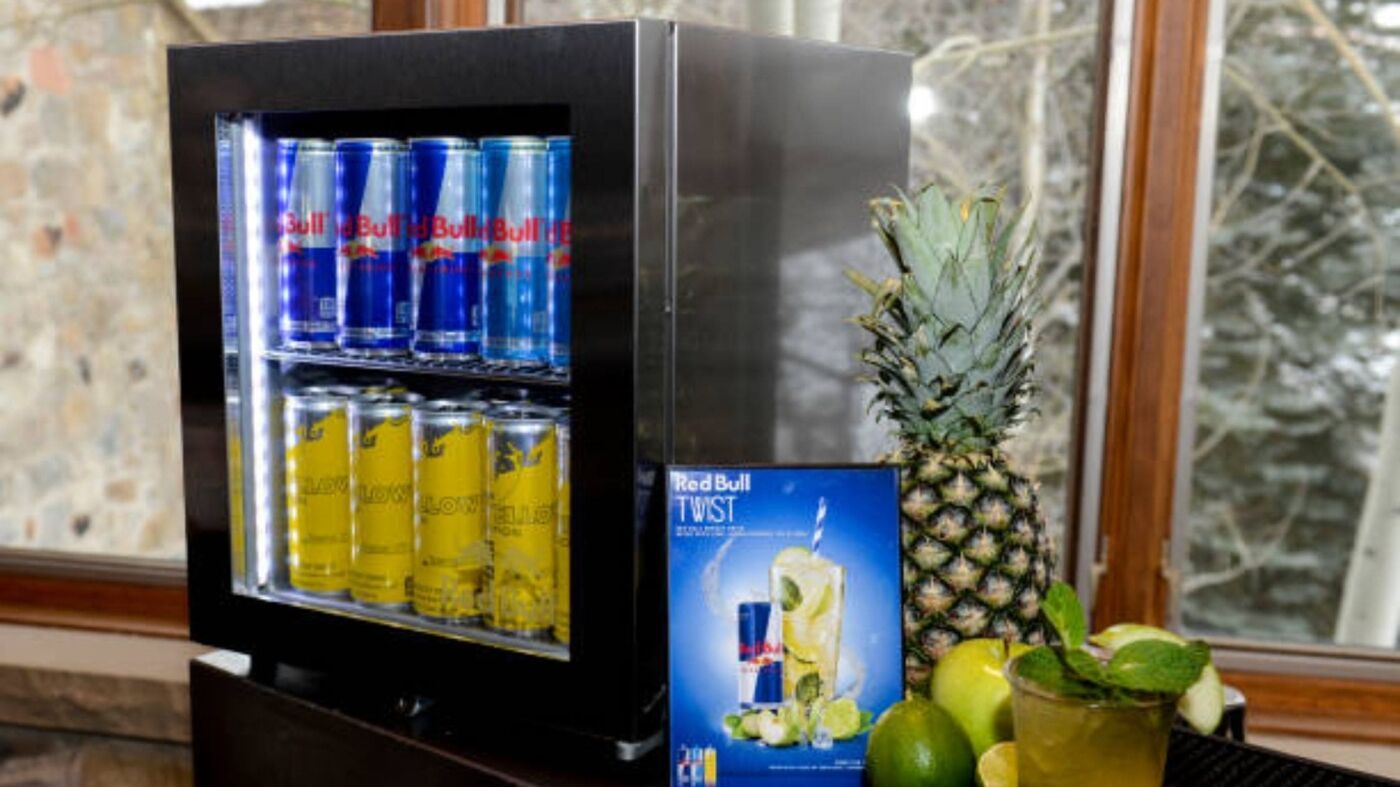
How Much Does a Mini Bar Fridge Cost to Run in Australia?
If you’re buying a mini bar fridge in Australia, one of the most common questions is simple:
How much will it cost to run?
Whether you’re setting up a café, upgrading a bar, or adding a small drinks fridge at home, understanding electricity consumption helps you choose a model that’s efficient and cost-effective long term.
This guide breaks down real running costs, what affects power usage, and how to choose an energy-efficient mini bar fridge.
Average Running Cost of a Mini Bar Fridge in Australia
On average, a modern mini bar fridge costs:
$8 – $20 per month to run in Australia.
That’s roughly:
$100 – $240 per year
Based on average electricity rates of 25–35 cents per kWh
For a 50L–120L commercial mini bar fridge
Actual costs depend on usage, ventilation and efficiency.
How Much Electricity Does a Mini Bar Fridge Use?
Most compact mini bar fridges consume between:
150–350 kWh per year
Smaller domestic models may sit on the lower end, while commercial glass door display units may use slightly more due to:
Internal LED lighting
Fan-forced airflow
Frequent door openings
It’s important to remember that the fridge’s compressor efficiency and insulation quality often have a bigger impact on power use than size alone.
To understand what this means in real Australian dollars, you can look at typical electricity costs across Australia. AGL provides a clear breakdown of how much various appliances cost to run based on current energy rates — a handy reference when estimating your own mini bar fridge running costs. Learn more about real appliance running costs at home.

What Affects Mini Bar Fridge Running Costs?
1️⃣ Ambient Temperature
In Australia, especially during summer, higher room temperatures force the compressor to work harder. Poor ventilation behind or under the fridge increases power consumption.
2️⃣ Ventilation Clearance
Under bench installation without proper airflow can increase running costs and shorten compressor lifespan. Always follow manufacturer clearance guidelines.
3️⃣ Door Openings
In hospitality settings, frequent door openings increase energy use due to temperature recovery cycles.
Commercial mini bar fridges with fan-forced cooling recover faster and maintain stable temperatures more efficiently.
4️⃣ Refrigerant Type
Modern units using R290 or R600 refrigerant are more energy efficient and environmentally friendly compared to older systems(such as R134A).
Do Mini Fridges Use More Power Than Regular Fridges?
Not necessarily, but they can be less energy efficient per litre of storage.
A mini fridge usually uses less total electricity than a full-size refrigerator. However, when you compare energy use per unit of capacity, smaller fridges can sometimes consume more power for the amount of space they provide.
Why can this happen?
- Smaller compressors may cycle more frequently
- Budget models often have thinner insulation
- A higher surface-area-to-volume ratio allows more heat transfer
- Poor ventilation or warm placement can increase workload
That said, a well-built commercial mini bar fridge with quality insulation and modern refrigerant is designed to operate efficiently and maintain stable temperatures.
In short:
- Full-size fridges use more power overall
- Cheap mini fridges can be inefficient
- Quality commercial mini fridges can run very economically
Choosing the right model makes all the difference.

Commercial vs Domestic Mini Fridge – Which Is More Efficient?
Commercial mini bar fridges are designed for:
Faster cooling recovery
Consistent temperature under heavy use
Continuous operation
While they may consume slightly more power than a small domestic unit, they:
Perform better in high-traffic environments
Maintain food-safe temperatures
Last longer under daily use
For cafés and bars, reliability often outweighs marginal differences in electricity costs.
How to Reduce Running Costs
If you want to minimise electricity usage:
- Allow proper airflow around the unit
- Avoid overloading shelves
- Keep condenser coils clean
- Replace worn door seals
- Avoid placing near ovens or heat sources
- Choose energy-efficient R290 models
Simple installation and routine maintenance can reduce energy consumption significantly.
Is a Mini Bar Fridge Expensive to Run?
For most businesses and households, no.
Compared to other commercial kitchen equipment, a mini bar fridge is relatively low-cost to operate.
For example:
all consume substantially more power than a small drinks fridge.
To Sum Up
A modern mini bar fridge in Australia typically costs less than $1 per day to operate.
Choosing a well-built, energy-efficient model and installing it correctly ensures:
Stable temperature
Lower running costs
Longer compressor life
Better overall value
If you’re selecting a new unit, consider both purchase price and long-term operating cost. An efficient commercial mini bar fridge can save money over its lifespan while delivering better performance.
Bens Hospitality Equipment specialises in commercial refrigeration solutions for bar setups across Australia. Whether you’re fitting out a new venue or upgrading existing equipment, our team can help you choose the right unit for your needs. Get in touch with us for expert advice and competitive pricing.
