
Best Commercial Coffee Machine: Complete Buying Guide for Australian Businesses
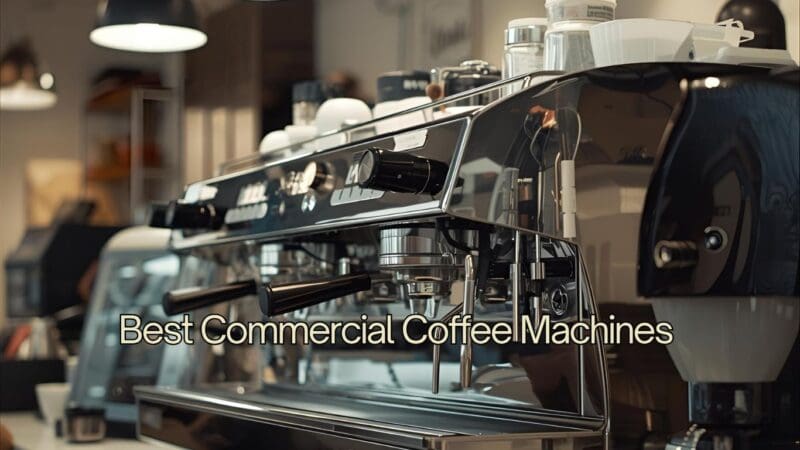
Are you searching for the best commercial coffee machine for your café, restaurant, or office in Australia? This complete buying guide will help you choose the perfect coffee machine for your business needs.
Table of Contents
Why Your Business Needs a Quality Commercial Coffee Machine
Three in four Australians drink at least one cup of coffee each day, with 28% enjoying three or more cups daily. This means 75% of Australians are daily coffee drinkers, creating a massive market for any business serving coffee. With Australia’s strong coffee culture and high standards for quality, having a reliable commercial espresso machine is essential for success.
Deliver Consistent, Barista-Quality Coffee Every Time
A quality commercial machine maintains the same temperature, pressure, and extraction with every cup. Whether it’s 7am or 3pm, whether your experienced barista or new staff member is making the coffee, customers get the same excellent result. Consistency builds trust and keeps customers coming back. If a flat white tastes great on Monday but disappointing on Wednesday, you’ll lose that customer.
Keep Up With High Customer Demand During Busy Periods
The morning rush between 7am and 9am is when most cafés make their money. During peak times, you might need to make 5 to 10 coffees every few minutes. A commercial machine with multiple group heads lets several baristas work simultaneously, while large boilers provide constant steam without losing temperature. Home machines would overheat and break down under this pressure, but commercial equipment is built for non-stop service. You won’t have customers walking out because the wait is too long.
Build Customer Loyalty Through Excellent Coffee Experiences
Australians are passionate about their coffee and will drive past several cafés to reach the one with the best brew. Good coffee creates happy customers who become regulars and tell their friends. One loyal customer spending $5 per day, five days per week, generates $1,300 annually. Multiply this by dozens or hundreds of regular customers, and quality coffee becomes your most valuable asset. Premium coffee also justifies higher pricing, typically $4.50 to $6.00 per cup.
Save Money Compared to Outsourcing Your Coffee Service
Running your own commercial coffee machine costs approximately 50 cents to $1 per cup when you factor in beans, milk, and electricity. Compare this to buying from another café at $4 to $5 per cup, or paying external companies for coffee service. If you sell 100 coffees daily, you keep an extra $300 to $400 in profit each day. A $10,000 machine can pay for itself within months through these savings alone.
For example, an office with 50 staff members previously spent $250 daily on a coffee cart service. After investing $8,000 in an automatic machine, their daily supply costs dropped to $75. They now save $175 per day, which equals $3,500 monthly or $42,000 yearly. The machine paid for itself in under two months.
Types of Commercial Coffee Machines in Australia
Choosing the right type of commercial coffee machine depends on your business needs, staff skills, and the volume of coffee you’ll be serving. Here are the three main types available in Australia.
Semi-Automatic Espresso Machines
Semi-automatic coffee machines are the most popular choice for Australian cafés. They strike a balance between manual control and automation, giving your barista creative freedom while making the job easier.
How They Work: The barista grinds fresh coffee beans and doses the ground coffee into the portafilter, which is the metal handle with a basket. They tamp the coffee down firmly to compress it. Once the portafilter is locked into the group head, the barista presses a button to start the extraction. The machine automatically pumps hot water through the coffee at the correct pressure (typically 9 bars). The barista stops the shot when it reaches the desired volume, usually after 25 to 30 seconds. For milk-based drinks like lattes and cappuccinos, the barista manually steams and froths the milk using the steam wand.
Why Choose Semi-Automatic: These machines let skilled baristas adjust variables like shot length, grind size, and milk texture to create the perfect cup. If a coffee tastes too bitter, the barista can pull a shorter shot next time. If the espresso is extracting too quickly, they can adjust the grind finer. This hands-on approach means your café can develop its own signature style and adapt to different coffee beans.
What You Need: Staff need proper barista training to use these machines effectively. They should understand extraction times, grind settings, tamping pressure, and milk steaming techniques. Training typically takes a few days to a few weeks depending on previous experience.
Speed and Volume: An experienced barista can make 15 to 20 coffees per hour on a 2-group semi-automatic machine. During busy periods with two baristas working, you can serve 30 to 40 coffees per hour.
Best for: Specialty coffee shops, boutique cafés with trained baristas, venues where coffee quality is a key selling point
Popular Models: La Marzocco Linea, Nuova Simonelli Aurelia, Rancilio Classe series
Fully Automatic Coffee Machines
Automatic coffee machines handle almost every step of the coffee-making process at the touch of a button. They’re designed for businesses that need speed, consistency, and simplicity without requiring expert barista skills.
How They Work: Staff simply press a button on the touchscreen or control panel. The machine automatically grinds whole beans to the pre-programmed setting, doses the exact amount needed, tamps the coffee, brews the shot, and stops at the perfect time. Many models also have automatic milk frothing systems. You can programme different buttons for various drinks like espresso, long black, flat white, cappuccino, and latte. Some advanced models even recognise the cup size and adjust accordingly.
Why Choose Fully Automatic: These machines guarantee the same result every single time, regardless of who’s operating them. A new staff member can make the same quality coffee as someone with years of experience. This consistency means customers get their favourite drink exactly how they expect it, whether they visit on Monday or Friday. There’s no variation in extraction time, coffee dose, or milk temperature.
What You Need: Minimal training required. Staff only need to learn which buttons to press, how to load beans and milk, and basic daily cleaning. Most people can be trained in under an hour. This saves you money on staff training and means you don’t need to hire experienced baristas.
Speed and Volume: Fully automatic machines are faster than semi-automatic for most staff. An untrained operator can still produce 20 to 30 coffees per hour. Some high-end automatic machines can make two drinks simultaneously. In busy office environments or food courts, these machines can handle 200 to 400 coffees per day without issues.
Maintenance Considerations: Because these machines have more automated components, they generally require more frequent professional servicing. However, many models have automatic cleaning cycles that run daily, which helps keep them in good condition.
Best for: Busy cafés where speed matters more than customisation, restaurants where coffee is a secondary offering, office buildings and corporate spaces, food courts and shopping centres, venues with high staff turnover, businesses without trained baristas
Popular Models: Jura GIGA series, WMF commercial machines, Franke A-series
Manual Espresso Machines (Lever Machines)
Manual machines represent the traditional, old-school way of making espresso. Instead of an electric pump, the barista physically pulls a lever to create the pressure needed to extract the coffee. These are the machines you might see in heritage-listed cafés or high-end specialty venues.
How They Work: The barista grinds and doses the coffee into the portafilter and tamps it, just like with semi-automatic machines. Instead of pressing a button, they pull down a large lever. This compresses a spring, and when released, the spring pushes water through the coffee at high pressure. The barista controls the entire extraction by how they pull the lever – fast or slow, with varying pressure throughout the shot. This technique is called pressure profiling and can create unique flavour characteristics.
Why Choose Manual: Manual machines give the absolute highest level of control over the brewing process. Expert baristas can manipulate pressure during extraction to highlight certain flavours in the coffee. For example, they might start with lower pressure to pre-infuse the coffee, then increase pressure during the main extraction, and taper off at the end. This level of control is impossible with automatic machines. Manual machines also have a beautiful, traditional aesthetic that appeals to customers who appreciate coffee craftsmanship.
What You Need: Staff need extensive barista training and lots of practice. Pulling a consistent shot on a manual machine takes real skill and can take months to master. You need baristas who are passionate about coffee and want to perfect their craft. These machines are not suitable for casual staff or high-turnover environments.
Speed and Volume: Manual machines are slower than both semi-automatic and automatic options. An experienced barista might make 10 to 15 coffees per hour. These machines are about quality and craftsmanship rather than speed.
The Experience Factor: Many customers enjoy watching a skilled barista work a manual lever machine. It creates theatre and shows the care going into each cup. This can justify premium pricing, with some specialty venues charging $6 to $8 or more for a manually pulled espresso.
Best for: High-end specialty coffee venues, cafés focused on coffee education and experience, businesses with master baristas who want to showcase their skills, venues where aesthetics and tradition matter, low to medium volume operations
Popular Models: La Pavoni, Elektra, Bosco (Australian-made), Ponte Vecchio Lusso
Which Type Should You Choose?
Choose Semi-Automatic if:
- You have or will hire trained baristas
- Coffee quality is central to your business identity
- You want flexibility to experiment with different beans and techniques
- You’re running a medium-volume café (50 to 200 coffees daily)
- You want the best balance of control and efficiency
Choose Fully Automatic if:
- Speed and consistency are your top priorities
- You have high volume (200+ coffees daily)
- You don’t have trained baristas or experience high staff turnover
- Coffee is important but not your main focus (restaurants, offices)
- You want to minimise training time and costs
- You need simple operation for multiple staff members
Choose Manual if:
- You’re creating a specialty, premium coffee experience
- You have expert baristas who want creative control
- Coffee craftsmanship is your unique selling point
- You operate at lower volume with higher prices
- You want to create a memorable customer experience
- Traditional aesthetics and theatre matter to your brand
Key Features to Consider When Buying a Commercial Coffee Machine
Boiler Systems: Single, Dual, or Multi-Boiler
The boiler is one of the most important parts of an espresso machine. Here’s what you need to know:
Single Boiler Machines
- Most affordable option
- Best for very low volume coffee service where coffee isn’t the main focus
- Can struggle with temperature control during busy periods
Dual Boiler Machines
- Separate boilers for brewing and steaming
- Better temperature stability
- Can brew espresso and steam milk at the same time
- Popular choice for medium to high volume cafés
Multi-Boiler Machines
- Premium option with multiple boilers
- Best temperature control and consistency
- Ideal for specialty coffee shops with high standards
Group Heads: How Many Do You Need?
Group heads determine how many coffees you can make at once:
- 2 Group Commercial Coffee Machine: Suitable for small to medium cafés (50-150 coffees per day)
- 3 Group Commercial Coffee Machine: Better for busy venues (150-300 coffees per day)
- 4 Group Commercial Coffee Machine: High-volume establishments (300+ coffees per day)
Daily Coffee Volume
Determine your daily coffee consumption to match machine capacity. This is crucial for choosing the right size and type of machine. Consider your busiest periods and plan for growth.
Temperature Control and PID Systems
Look for machines with PID (Proportional-Integral-Derivative) temperature controllers. These provide precise temperature control, which is essential for extracting the best flavour from your coffee beans.
Easy Cleaning and Maintenance
Your coffee machine should be easy for staff to backwash regularly without needing expert supervision. Regular cleaning reduces the need for costly repairs and keeps your coffee tasting great.
Best Commercial Coffee Machine Brands in Australia
La Marzocco
La Marzocco has been in business for over 90 years and is known for durability and easy operation. Popular models include:
- La Marzocco Linea Classic: One of the most iconic commercial espresso machines, equipped with PID temperature controlled insulated dual boiler system
- La Marzocco Linea PB: Easy to service and maintain, making it a very good option for café owners who run a busy operation
- Price Range: Premium ($12,000 – $20,000+) Best For: Specialty cafés, high-end restaurants
Nuova Simonelli
Nuova Simonelli has embedded itself into the high-end coffee market with machines previously used in barista championships around the world.
- Nuova Simonelli Aurelia II: Fitted with a powerful 14-litre boiler, making it great for medium-sized coffee shops
- Price Range: Mid to high ($8,000 – $15,000) Best For: Busy cafés, coffee shops with medium to high volume
Wega
Wega has built their reputation on producing espresso machines that are robust and energy-efficient.
- Wega Polaris: Reliable workhorse machine with modern design
- Features volumetric controls and large boiler capacity
- Price Range: Mid-range ($7,000 – $12,000) Best For: Cafés looking for reliability and energy efficiency
Expobar
Expobar machines are hand-assembled in Melbourne with customisable colour panels, offering a highly affordable option.
Price Range: Budget-friendly ($5,000 – $9,000) Best For: New cafés, businesses on a budget
Rancilio
Known for reliability and consistent performance. The Rancilio Classe series offers intelligent features and temperature stability.
Price Range: Mid-range ($6,000 – $11,000) Best For: Small to medium cafés, restaurants
Victoria Arduino
Victoria Arduino is the sister company of Nuova Simonelli and has found itself as one of the market leaders in latest technology.
Price Range: Premium ($10,000 – $18,000) Best For: Specialty coffee venues, cafés wanting cutting-edge technology
Commercial Coffee Machine Prices in Australia
Prices can range from $500 for basic models to over $10,000 for high-end, fully automated machines. Here’s what to expect:
- Entry Level: $3,000 – $6,000 (basic 2-group machines)
- Mid-Range: $6,000 – $12,000 (quality 2-3 group machines with good features)
- Premium: $12,000 – $20,000+ (high-end brands like La Marzocco, top features)
- Automatic/Super-Automatic: $5,000 – $15,000+ (depending on capacity)
Remember to budget for:
- Coffee grinder ($500 – $3,000+)
- Water filtration system ($300 – $1,000)
- Installation and plumbing
- Regular servicing and maintenance
- Coffee beans, milk, and cleaning supplies
Buying vs Leasing: What's Best for Your Business?
Buying Outright
Pros:
- No ongoing repayments
- You own the equipment
- Flexibility to upgrade when you want
Cons:
- Large upfront investment
- You’re responsible for all repairs and servicing
- Money tied up in a depreciating asset
Leasing or Finance Options
Specialty finance companies like SilverChef or FlexiCommercial can lease the equipment to you, offering upfront savings and flexibility.
Pros:
- Lower upfront costs
- Spread payments over time
- May include servicing in some arrangements
Cons:
- Higher total cost due to interest
- Locked into repayment agreements
- You don’t own the machine until paid off
Coffee Roaster Equipment Deals
Some arrangements work like a mobile phone plan – the coffee roaster provides equipment as part of an agreement when you buy coffee from them.
Pros:
- Little to no upfront cost
- Equipment maintenance included
- Easy to get started
Cons:
- Locked into buying beans from one supplier
- May pay more for coffee over time
- Less flexibility to change roasters
Important Buying Considerations for Australian Businesses
Water Quality and Your Coffee Machine
In Perth, for example, the water is quite hard and can wear machines out sooner. Consider:
- Installing a good water filtration system
- Regular descaling based on your water hardness
- Checking manufacturer recommendations for your area
Energy Efficiency
Australia has a strong focus on sustainability, so opt for energy-efficient machines to reduce environmental impact and operating costs. Look for:
- Energy-saving modes
- Machines that heat up quickly
- Efficient boiler systems
- Smart technology features
Staff Training and Skill Level
Assess your team’s coffee knowledge when choosing machine complexity. Consider:
- Will you have trained baristas?
- Do you need automatic features for consistency?
- Is training readily available from the supplier?
Space and Installation Requirements
Measure your available space carefully and consider:
- Counter space for the machine
- Plumbing and electrical requirements
- Ventilation needs
- Space for your grinder and accessories
- Clearance for servicing
After-Sales Support and Warranty
Choose suppliers who offer:
- Comprehensive warranty (typically 1 year part only warranty for new machines in Australia)
- Local service technicians
- Readily available spare parts
- Technical support and training
- Quick response times for repairs
Should You Buy a Used Commercial Coffee Machine?
While you may have some luck finding used commercial coffee machines for sale from second-hand websites, there are some things to watch out for.
Things to Check:
- Machine history and age
- Previous repairs and maintenance records
- Remaining warranty coverage
- Water quality in the machine’s previous location
- Physical condition and cleanliness
Where to Buy Used:
- Certified used equipment dealers (more reliable than private sales)
- Equipment auctions
- Coffee equipment specialists with trade-ins
- Online marketplaces (higher risk)
Tip:
Certified Used coffee machines can provide you with more confidence that you’re making a solid investment compared to buying from general second-hand websites.
Top Tips for Choosing Your Commercial Coffee Machine
- Calculate Your Volume Accurately: Don’t just think about now – plan for growth
- Test Before Buying: Ask suppliers for demonstrations or trial periods
- Research Parts Availability: Popular machines like the La Marzocco Classic have readily available parts, making servicing affordable
- Consider Your Menu: Identify the range of coffee drinks you’ll offer when choosing your machine
- Factor in Running Costs: Not just purchase price, but electricity, maintenance, and supplies
- Check Reviews: Look for feedback from other Australian café owners
- Visit Other Cafés: See what machines work well in similar businesses
- Get Multiple Quotes: Compare prices and package deals from different suppliers
Commercial Coffee Machine Maintenance Tips
Keep your machine running smoothly:
Daily Tasks
- Backflush group heads at end of service
- Wipe down steam wands after each use
- Empty and clean drip trays
- Check water levels
Weekly Tasks
- Deep clean portafilters and baskets
- Clean group head gaskets
- Check for any leaks or issues
Monthly Tasks
- Replace water filters as needed
- Inspect and clean burr grinders
- Check machine pressure gauges
Professional Servicing
Your coffee machine should be serviced and descaled every 6 to 12 months. Regular professional servicing prevents costly breakdowns and maintains coffee quality.
Finding the Right Commercial Coffee Machine Supplier in Australia
Look for suppliers who offer:
- Comprehensive range of machines and brands
- Expert advice for your specific business needs
- Installation and setup services
- Training for your staff
- Warranty and after-sales support
- Local service technicians
- Flexible payment options
Essential Accessories for Your Commercial Coffee Machine
Don’t forget these important items:
Coffee Grinder
A quality commercial coffee grinder is just as important as your espresso machine. Budget $800-$3,000 for a good commercial grinder.
Popular brands: Mazzer, Anfim, Eureka, Mahlkönig
Milk Frothing Systems
Automatic steam units save time and ensure consistency, especially with alternative milks that require specific temperatures.
Tampers and Accessories
- Commercial-grade tamper
- Knock box for coffee grounds
- Milk jugs in various sizes
- Cleaning brushes and cloths
- Backflushing detergent
Water Filtration
Protect your investment with a quality water filter system to:
- Improve coffee taste
- Reduce scale buildup
- Extend machine life
- Reduce maintenance costs
To Sum Up
Ready to Choose Your Commercial Coffee Machine?
Selecting the right commercial coffee machine is a significant investment in your business’s success. Take time to:
- Assess your current and future needs
- Research different brands and models
- Get hands-on demonstrations
- Calculate total costs including accessories
- Choose a reliable supplier with good support
A quality commercial espresso machine will serve your business for many years, helping you deliver excellent coffee that keeps customers coming back.
Need Expert Advice?
Choosing the best commercial coffee machine for your Australian business doesn’t have to be overwhelming. Contact the team at bendgs.com.au for expert guidance on selecting the perfect coffee equipment for your café, restaurant, or office. Browse our selection of best commercial coffee machines Australia today.

